What are the medicinal uses of anemone flowers?
The Anemone genus encompasses a wide variety of flowering plants, often recognized for their delicate beauty, but they also carry a deep history in traditional medicine across several cultures. [9] The common name "Anemone" is applied to numerous species, which can sometimes lead to confusion regarding precise medicinal applications, as historical texts might refer to a specific plant within the genus, such as Wood Anemone (Anemone nemorosa) or members of the closely related Pulsatilla group. [2][7] It is crucial to note that while the plant is admired for its aesthetics, many species contain compounds that can be toxic or irritating, meaning their historical medicinal usage was carefully managed, often by trained practitioners. [7]
# Genus Scope
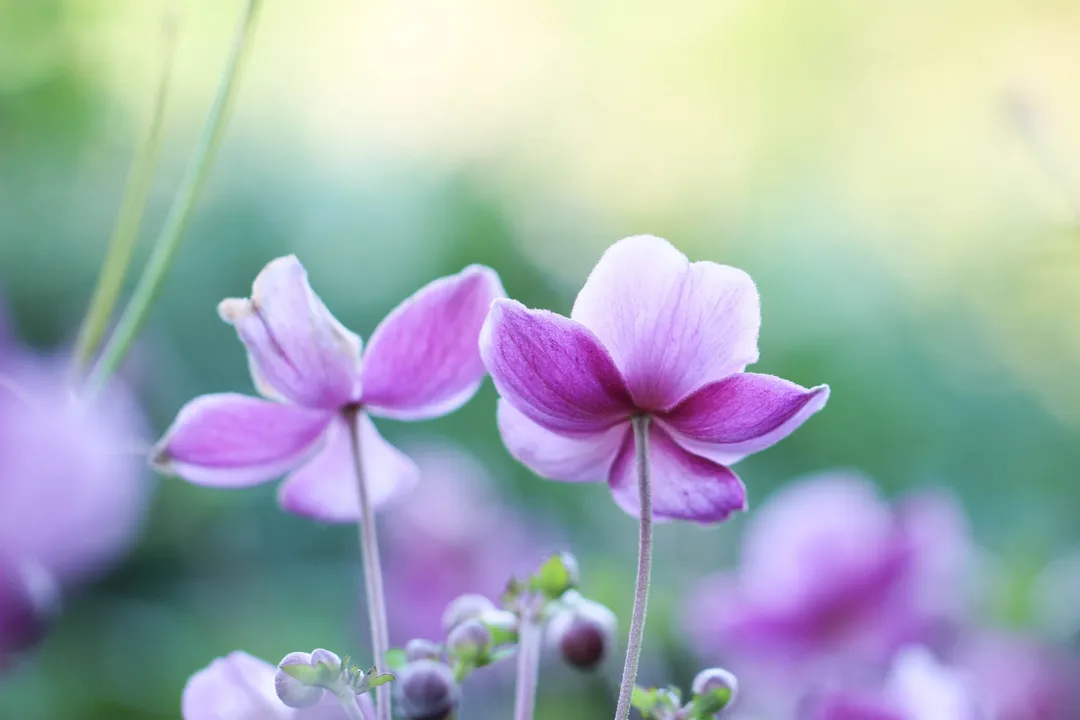
The term "Anemone" itself derives from the Greek word for wind, leading to nicknames like "windflower," perhaps due to the speed with which the petals fall after blooming. [4][9] The botanical classification is complex, and sometimes plants historically grouped with Anemone, like those in the Pulsatilla section, are discussed when referring to traditional remedies attributed to the Anemone complex. [8] Understanding which specific species was employed is central to understanding its traditional uses, as pharmacological properties can vary significantly from one variety to another. [2] For instance, some species are native to woodlands and bloom early, while others thrive in different environments. [5][9]
# Herbal Roles
The medicinal profile associated with various Anemone species tends toward areas involving the nervous system and inflammatory responses, although documented uses span several categories. [7][8]
# Calming Actions
A significant area of study and traditional application relates to the plant’s purported calming effects. Certain species, or those closely related and often grouped with them like Pulsatilla, have been associated with managing states of agitation or nervous tension. [8] The actions described in historical contexts suggest a use for soothing the nerves or perhaps addressing symptoms arising from over-excitability. [8] This grouping of plants, including Anemone, Pulsatilla, Nepeta, and Rauvolfia, has historically been considered by some traditional systems for their ability to induce a more settled state. [8]
# Ayurvedic Practice
In Ayurvedic medicine, specific species like Anemone obtusiloba have a recognized place. [6] This particular plant, according to traditional systems, is often described as having bitter, pungent, and sweet tastes in its fresh state. [6] Its traditional uses within this system have included applications for issues like painful urination, and management related to fever and dysentery. [6] It is interesting to observe how the perceived energetic properties—bitter and pungent—align with traditional indications for conditions requiring detoxification or strong digestive action. [6]
# Traditional European Uses
The Wood Anemone, Anemone nemorosa, has a historical presence in European folk medicine. [5] Traditional uses sometimes included remedies for issues like headaches and skin irritations. [7] Furthermore, older texts mention its use as an ingredient in external applications, though specifics about preparation vary widely and require careful scrutiny due to the plant’s composition. [7] The connection between the delicate appearance of the flower and its use in addressing localized or superficial ailments suggests a traditional correspondence between visible attributes and perceived action. [9] If we compare this to the known toxicity from compounds like protoanemonin, which is an irritant, we can deduce that external preparations likely aimed to manage these irritant properties in highly diluted or specific preparations, rather than apply the raw material directly. [7] This careful management of potent chemicals is a hallmark of established herbal traditions worldwide.
# Chemical Constituents
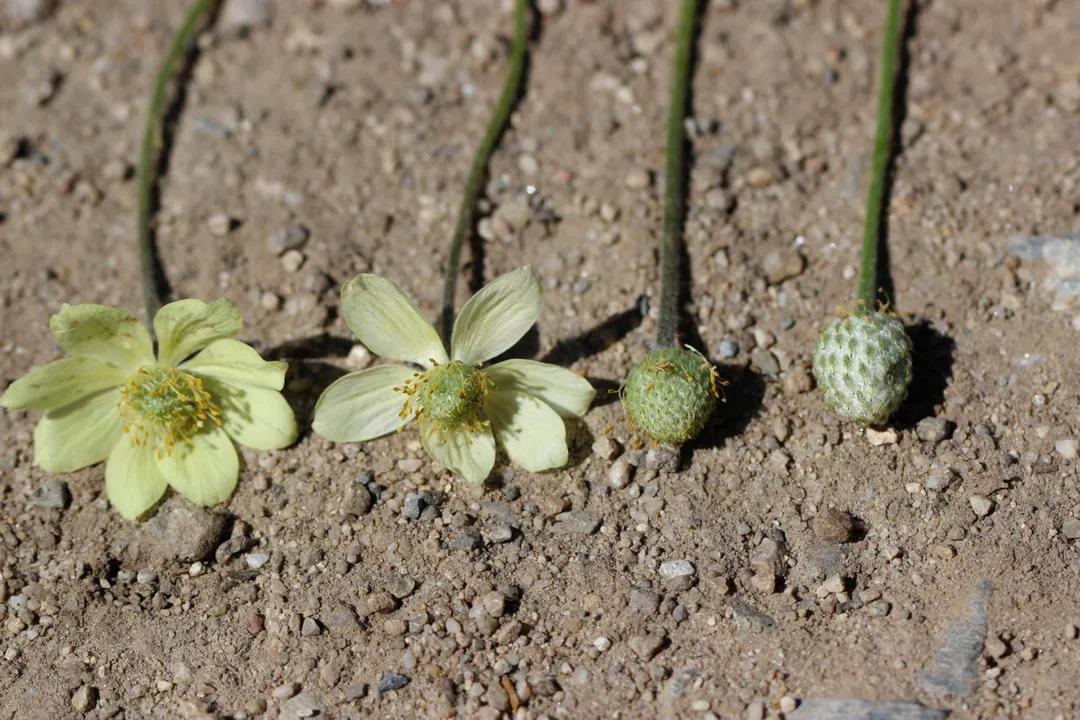
The therapeutic and toxicological profile of Anemone species is heavily influenced by their chemical makeup, particularly the presence of glycosides. [7] Many species contain protoanemonin, which is formed when the plant tissue is crushed or damaged. [7] This compound is highly irritating to the skin, mucous membranes, and digestive tract, often causing blistering or burning sensations. [7] When the plant material is dried or cooked, this compound often converts to the less irritating anemonin. [7] This chemical transformation is a critical aspect of why historical preparations often involved drying or specific processing methods before internal or external application; the herbologist of the past was, perhaps unknowingly, managing the plant's irritant chemistry. [7]
# Caution and Context
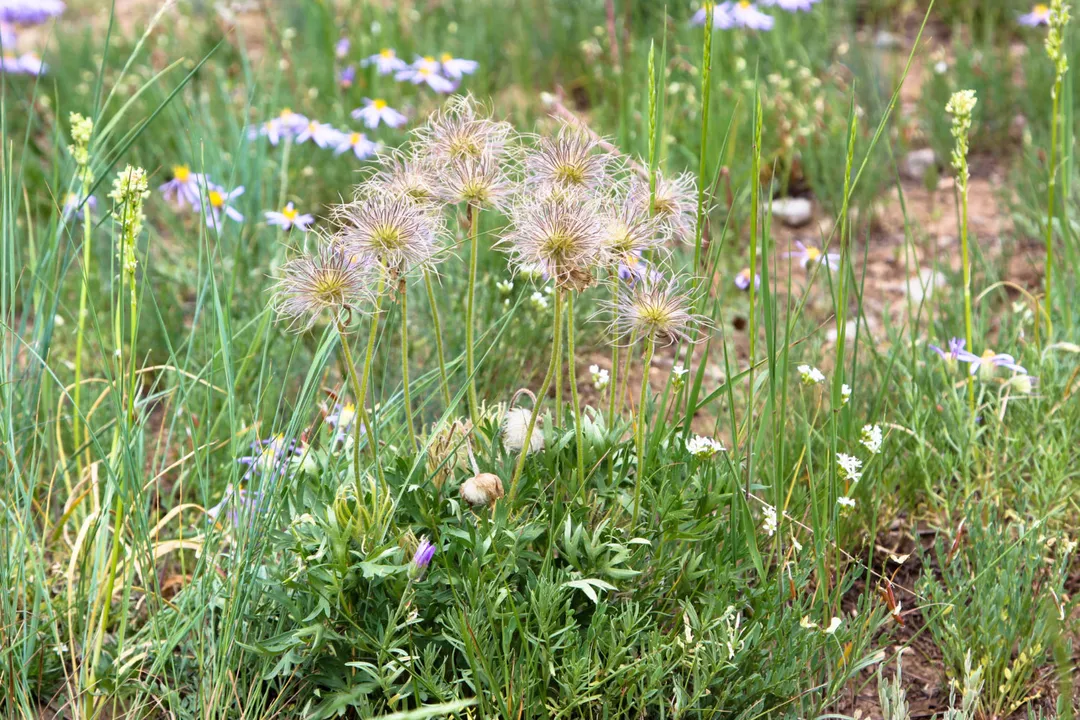
Given the presence of irritating and potentially toxic components, particularly protoanemonin, the medicinal application of Anemone flowers requires extreme caution. [7] WebMD, for instance, notes that Wood Anemone is considered unsafe, and caution is advised when considering its traditional use. [5] The application of any part of the plant, especially the fresh material, can lead to adverse reactions. [5][7] This fact underscores why its mention in discussions about emergency herbs often comes with an implicit understanding that only an expert familiar with precise identification and preparation should attempt its use in urgent situations. [3]
When reviewing historical records that suggest an Anemone species is an excellent herb for any emergency, it is essential to contextualize that assessment. [3] In historical folk medicine, "emergency" often referred to acute, immediate external issues (like a sudden rash or localized inflammation) where a strong counter-irritant or astringent was desired, rather than modern concepts of systemic emergency medicine. [3] A practical tip for any enthusiast encountering historical texts mentioning Anemone is to create a simple cross-reference chart before even considering the use of a related plant: list the species mentioned, the preparation method (fresh/dried/cooked), and the intended outcome, noting which are linked to highly irritating components versus those linked to systemic effects. [7] This methodical approach helps distinguish between historical wisdom regarding topical chemistry and broader internal applications.
# Symbolic Resonance
Beyond chemistry and specific ailments, the symbolism surrounding Anemones often mirrors the abruptness associated with their potential effects. They symbolize anticipation, fragility, and sometimes forsaken love or bad luck, depending on the specific tradition or color. [4] This theme of sudden change or transient beauty provides an interesting parallel to their traditional use in addressing acute conditions that require immediate, albeit sometimes dramatic, intervention. [9] For example, the idea of a flower that blooms and fades quickly aligns with remedies aimed at quickly stopping an acute process, such as stopping bleeding or resolving acute fever, rather than treating chronic, slow-developing conditions. [4] The very name "windflower" hints at swift movement, mirroring the action desired from a plant used for acute symptoms. [4]
| Species Mentioned | Traditional System | Noted Indication Focus | Key Chemical Consideration |
|---|---|---|---|
| Anemone obtusiloba | Ayurveda | Urination issues, Fever, Dysentery [6] | Taste profile (Bitter, Pungent, Sweet) [6] |
| Anemone nemorosa | European Folk | Headaches, Skin irritations [5][7] | Contains protoanemonin (irritant) [7] |
| Pulsatilla Group | Various (Often grouped) | Nervous agitation, Calming effects [8] | Linked to sedative/calming actions [8] |
This comparison table highlights the divergence: one tradition focuses on internal cleansing via taste (Ayurveda), another on localized external application (European folk), and yet another on central nervous system modulation (Pulsatilla correlation). [6][7][8] No single description covers the genus completely, confirming that precise species identification is the foremost requirement for understanding historical medicinal application. [2]
Related Questions
#Citations
Anemone medicinal plants: ethnopharmacology, phytochemistry ...
Anemone Species-Medicinal Uses, Botany and More
The Best Herb for Any Emergency
Anemone - Flowers - Featured Content - Lovingly
Wood Anemone - Uses, Side Effects, and More - WebMD
Anemone obtusiloba – Ayurvedic Uses, Benefits ... - Ask Ayurveda
A Modern Herbal | Anemone (Wood) - Botanical.com
[PDF] The Calming Actions of Anemone Pulsatilla, Nepeta, andRauvolfia
The Fascinating World of Anemones: Beauty, Symbolism and Healing