Why do doctors say not to use hydrogen peroxide?
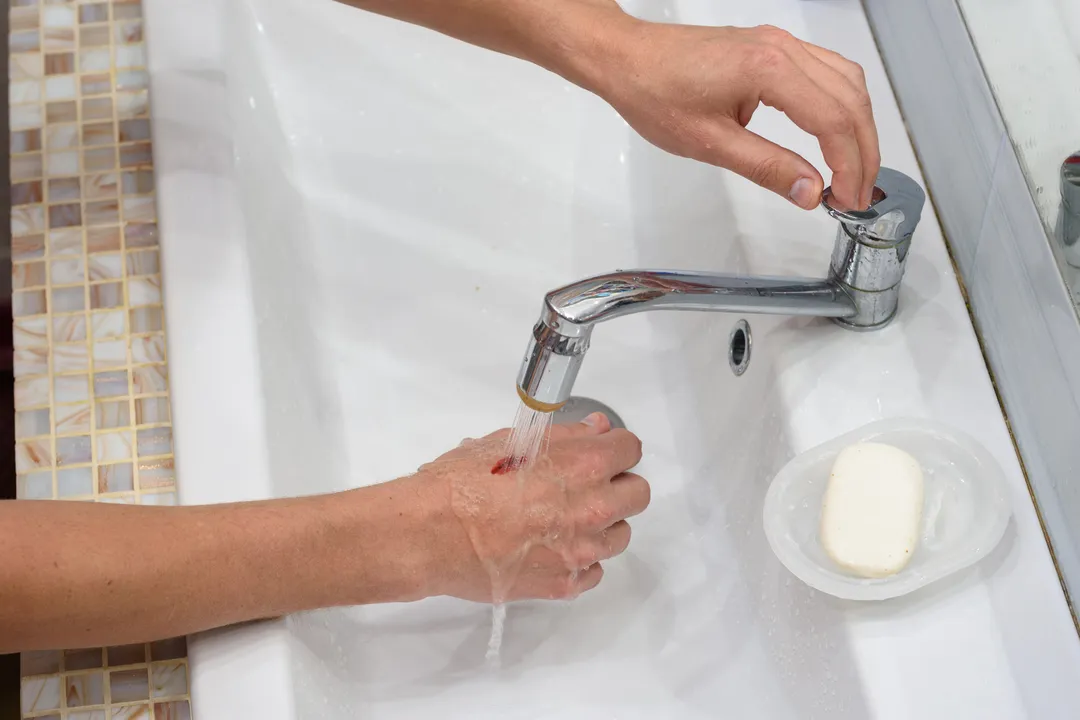
That familiar bottle in the back of the medicine cabinet, usually amber or brown to protect its contents from light, often sits there unused today, despite decades of people reaching for it at the first sign of a cut or scrape. The medical consensus has shifted significantly regarding the use of hydrogen peroxide () on open wounds, leading many to wonder why this once ubiquitous first aid staple is now discouraged by doctors and nurses. [2][5] While it certainly looks active when applied to exposed tissue, the visual evidence of its reaction often misleads users about its true impact on the healing process. [3]
# Familiar Reaction
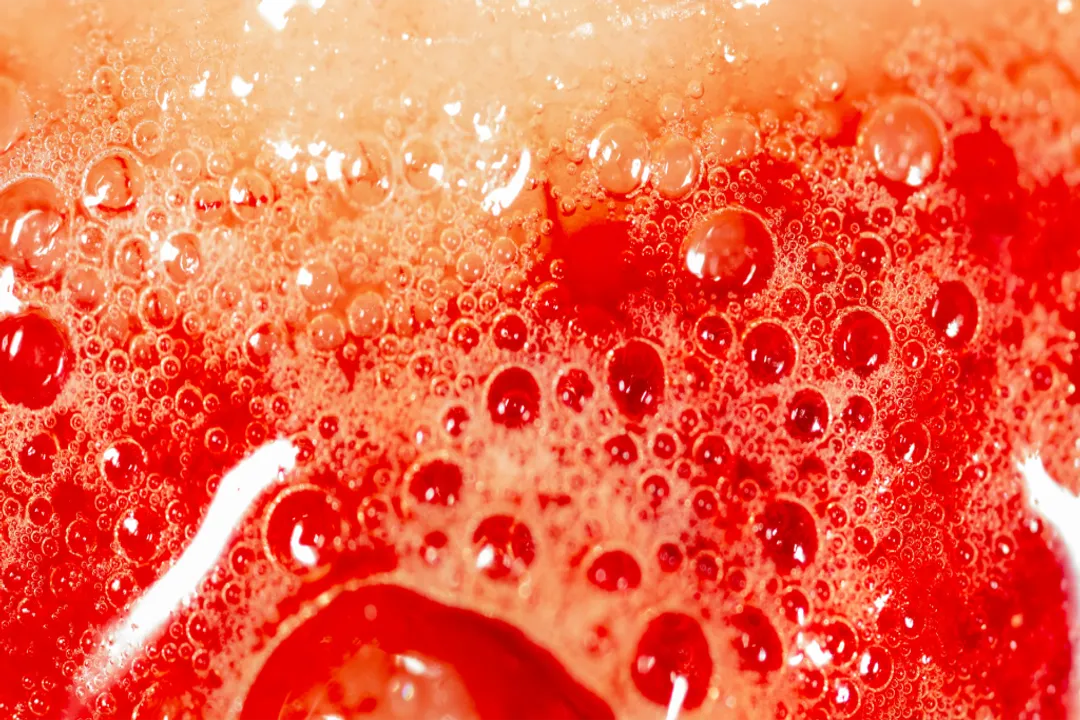
When hydrogen peroxide meets blood or tissue debris in a wound, it immediately begins to foam and bubble vigorously. [3] This reaction is the result of the catalase enzyme, present in both the peroxide and the organic matter, breaking down the compound into water () and oxygen gas (). [3] For many years, this visible effervescence was interpreted as a sign that the substance was aggressively cleaning the area, successfully targeting and destroying pathogens. [5] The initial burst of oxygen felt powerful, leading people to believe they were ensuring the wound was clean and disinfected. [2]
# Cellular Cost
The problem with hydrogen peroxide is its complete lack of discrimination. [1] When applied to a wound, the bubbling action is not a targeted strike against harmful bacteria alone; it is a chemical reaction that destroys nearly all cells it contacts. [2][5] This is because the catalase enzyme is present not just in pathogens, but in healthy human cells as well. [3]
Specifically, the process damages the delicate, newly forming cells necessary for repair, such as fibroblasts. [1][5] Fibroblasts are the construction crew responsible for producing collagen, which closes the wound and forms new tissue. By killing these essential cells, topical hydrogen peroxide actually slows down the natural healing trajectory. [1][3] While it might effectively remove some surface-level bacteria upon first application, the subsequent damage to the wound bed often creates a less favorable environment for true recovery. [5] Think of it this way: you are using a sledgehammer to dust a bookshelf. The immediate visible result (dust flying off) might seem effective, but the collateral damage to the shelf itself hinders its intended purpose. [2]

# Better Alternatives
Given the destructive nature of on healing tissue, modern first aid protocols prioritize gentler, non-cytotoxic cleaning methods for minor abrasions and cuts. [1][2] The current standard emphasizes simple mechanical cleaning followed by covering the wound. [3]
For most minor injuries, washing the area gently with mild soap and clean running water is usually sufficient to clear away surface dirt and debris. [1][3] If the wound requires irrigation—such as to flush out debris embedded deeper in the scrape—the preferred agent is sterile saline solution. [1] Saline is simply salt water balanced to the same concentration as the body's own fluids, meaning it cleanses effectively without disturbing the cellular structures trying to rebuild the damaged skin. [2]
If a person is cleaning a wound that has been exposed to a lot of dirt or grit, and soap and water haven't fully cleared it, applying a heavily diluted solution—perhaps one part of the standard 3% hydrogen peroxide to four parts water—for only a few seconds before flushing the area immediately and thoroughly with clean water or saline can mechanically lift stubborn particles. However, this should only be a very brief, intermediary step, as the goal must remain minimizing contact time with living tissue. [5] This technique is often safer than allowing debris to remain, provided rinsing is swift and complete.
# Household Uses
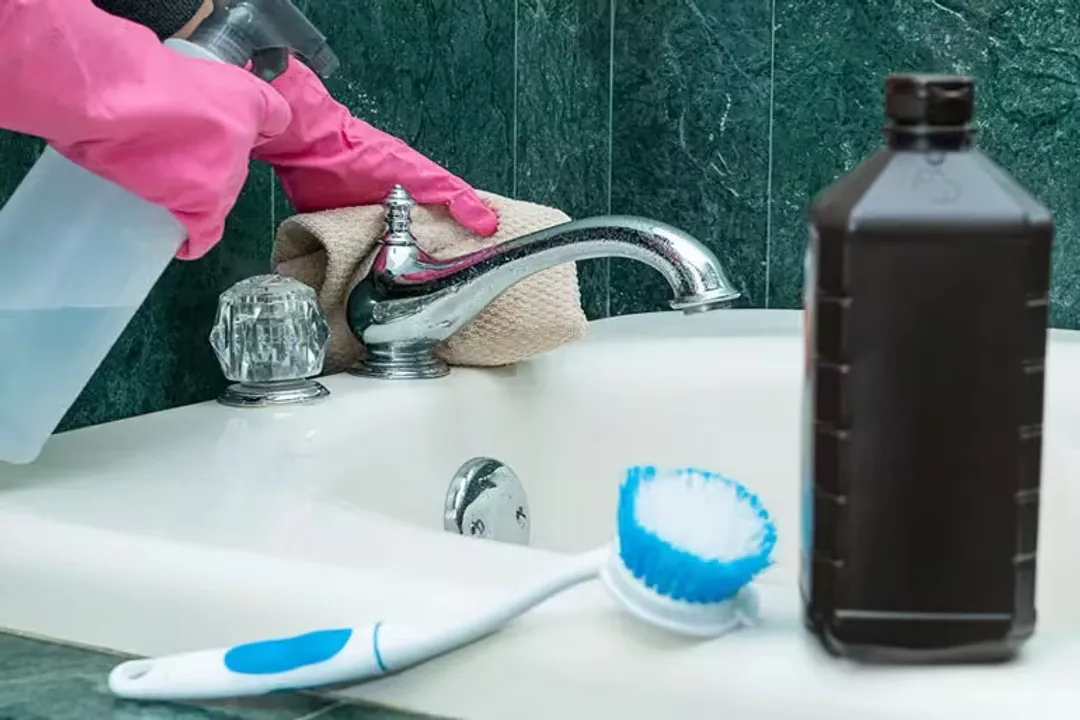
The strict advice against using hydrogen peroxide on skin wounds does not mean it has zero utility in the home. Its properties as an oxidizer make it effective for specific disinfection tasks where living tissue is not involved. [4] It is a well-known household remedy for whitening laundry, sanitizing surfaces like kitchen counters, or disinfecting items like cutting boards. [4] In these contexts, the goal is total microbial elimination, and the damage to skin cells is irrelevant because there are none present.
One specific area where its application has been studied is within the gastrointestinal tract. Some research has investigated controlled administration to help keep gut bacteria away from the colon lining. [7] It is critical to understand that this type of internal medical research involves precise, specialized delivery systems and controlled doses, bearing no resemblance to pouring the common 3% drugstore concentration onto an external injury. [6] This highlights a major divergence in its application: highly controlled medical settings versus everyday, uncontrolled home application.

# Ingesting Dangers
Perhaps the most serious reason doctors caution against the casual handling of hydrogen peroxide is the severe risk associated with ingestion. [9] Even the common 3% solution, if swallowed, is extremely dangerous. Ingesting can lead to gastric distension, severe irritation of the esophagus and stomach lining, and potentially gas embolisms that can be fatal. [9] This chemical is not a safe dietary supplement or health tonic, and any attempt to drink it should be avoided entirely. [9] The fact that it breaks down into water and oxygen gas might sound harmless, but the immediate, rapid release of oxygen gas inside the digestive tract causes severe, painful internal pressure. [9]
The longevity of the hydrogen peroxide myth in first aid persists largely because of generational habits and the strong visual cue of the fizzing. Parents and grandparents learned that technique when germ theory was still developing, and the sensation conveyed safety. [2] However, medical understanding has advanced to recognize that promoting cell survival is just as important as killing surface germs for effective wound closure. [1] When treating a scratch, scrape, or minor cut, the simplest, gentlest solution—soap and water or saline—will always allow the body to do its job faster and with less scarring than the harsh chemical action of .
Related Questions
#Citations
Should You Use Hydrogen Peroxide to Clean a Wound?
Why You Shouldn't Use Hydrogen Peroxide on Your Skin
Should You Put Hydrogen Peroxide On a Cut or Scrape?
Hydrogen Peroxide: How to Use It Properly
Is Hydrogen Peroxide On Wounds Safe? H₂O₂ FAQs
Hydrogen Peroxide Wound Irrigation in Orthopaedic Surgery - PMC
Hydrogen peroxide keeps gut bacteria away from the colon lining
Should You Use Hydrogen Peroxide on Wounds? - WCEI Blog
Drinking Hydrogen Peroxide: Is It Safe? - Healthline