What is carbo vegetabilis most commonly used for?
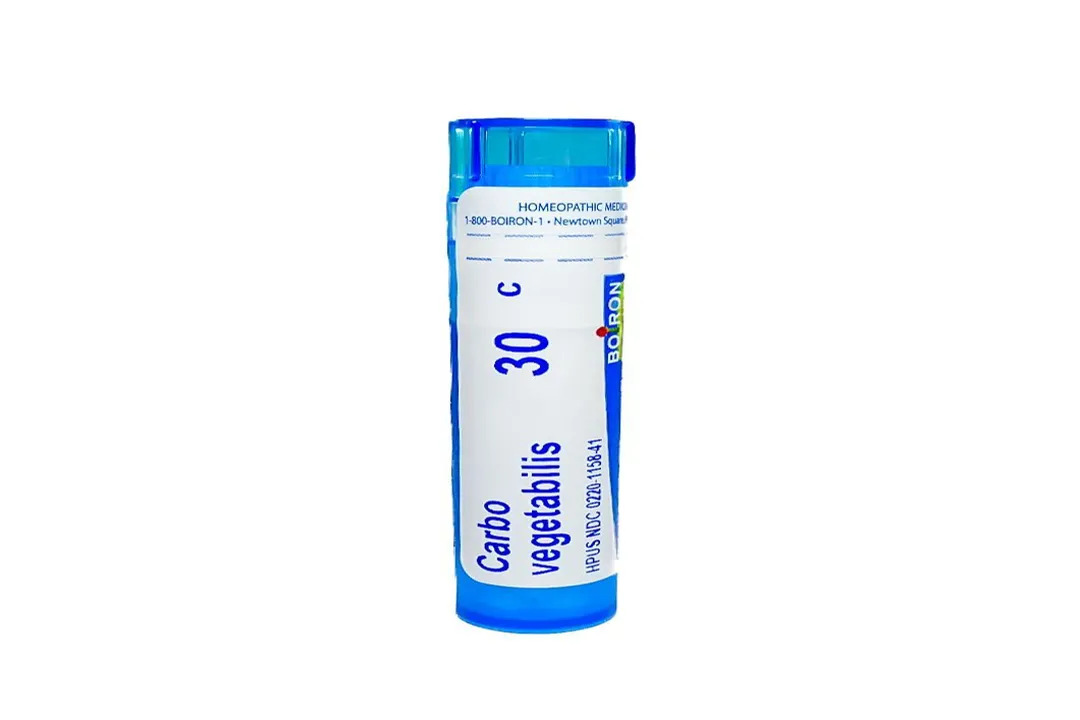
The substance known in homeopathy as Carbo vegetabilis—often referred to simply as Carb-v—is derived from vegetable charcoal. This preparation is traditionally sourced from the charred wood of willow trees. Within the practice of homeopathy, its application is highly specific, generally corresponding to conditions involving a profound state of prostration, sluggishness, and a marked lack of vital force. It is frequently considered for individuals who are very weak or exhausted, especially following other illnesses or debilitating events.
# Preparation Origin
Understanding the source material provides context for its homeopathic identity. Carbo vegetabilis is, fundamentally, charcoal derived from plants. While the modern preparation involves specific homeopathic processes, the initial substance is the residue left after heating organic material, specifically wood, in the absence of air. The general medical context of activated charcoal involves its adsorptive properties, though homeopathic Carbo vegetabilis is prescribed based on symptom similarity rather than broad internal detoxification in the conventional sense. Homeopathic remedies like this are typically available in various potencies, such as 30C or 200C, and are commonly found in pill form, often containing lactose or sucrose as inert bases. FDA labeling for over-the-counter homeopathic drug products confirms its listing for specific self-care uses.
# Primary Exhaustion State
The most distinct feature signaling the need for Carbo vegetabilis is extreme weakness and collapse. Patients presenting with this remedy picture often exhibit a lack of vitality to an alarming degree. This exhaustion might manifest after a long, depleting sickness, a period of prolonged bleeding, or simply chronic debilitation. A characteristic associated with this profound weakness is a desire for fresh, cool air; sufferers may feel suffocated or much worse in a warm room.
It is interesting to note the qualitative difference in this fatigue compared to other remedies. While many remedies indicate tiredness, Carb-v suggests a near-failure of the system to maintain basic function, often coupled with a need for stimulation, like fanning or cold air, yet the body is too weak to respond actively. Imagine a situation where someone is desperately needing more air but lacks the energy to even call for it or move enough to benefit from the draft—that deep sense of giving up is where this remedy is often indicated in homeopathic practice.

# Digestive Symptoms
A significant area where Carbo vegetabilis is commonly employed relates to the digestive tract, particularly symptoms rooted in sluggishness and gas retention. Severe bloating and distension of the abdomen are frequently mentioned indications. This gas is often described as being oppressive and voluminous, causing significant discomfort.
Another key digestive characteristic associated with Carb-v is the breath and mouth condition. Patients may experience extremely fetid or putrid breath, or an overall odor emanating from the body that is foul. Furthermore, the mouth itself can be affected, sometimes presenting with coldness. This picture suggests a breakdown or stagnation in the body’s ability to process and expel waste effectively, leading to the characteristic putrefaction or foulness.
# Recovery and Convalescence
Carbo vegetabilis often surfaces in discussions about convalescence, particularly when recovery is proving slow or incomplete. This can apply to conditions that have lingering effects, such as chronic hoarseness or a lingering cough following a cold or influenza. The persistence of symptoms long after the acute phase has passed is a pointer towards this remedy.
In terms of physical appearance, the skin may also reflect this state of low energy. In some cases, there is a noted tendency for sores or wounds to heal very slowly, or to become gangrenous if the condition is severe. This reflects the overall theme of low vital force struggling to initiate and sustain restorative processes.

# Product Context and Availability
As a widely recognized homeopathic preparation, Carbo vegetabilis is manufactured by various companies and sold in different forms, typically small, dissolvable pellets or tablets. These products are clearly labeled as homeopathic medicines and are often sold in standard over-the-counter potencies like 6C, 30C, or 200C. For the general reader considering this remedy for self-care, it is important to recognize that these commercial preparations are generally very dilute, consistent with homeopathic standards. Different manufacturers might use different base excipients; for example, some specify lactose as the base for their pellets.
When we look at the formalized listings, the indications are cataloged according to the materia medica. For instance, the FDA Structured Product Label indicates uses for general conditions like malaise or feebleness, aligning with the core picture of vital exhaustion.
# Comparative Analysis of State
To truly appreciate when Carbo vegetabilis might be considered over another remedy, one must compare the quality of the symptom picture. If a person is weak but is greatly relieved by warmth and heat, another remedy might be more appropriate. Carb-v points toward a weakness where the system is cold and craves external stimulus—like the need for constant fanning or a draught of cool air—even if the underlying state is one of profound circulatory deficiency. This dichotomy—craving cold air while exhibiting circulatory collapse—is a key differential point. In essence, the system seems to be "running out of oxygen" or vitality, metaphorically speaking, which charcoal's association with breathing and gas (in its elemental/chemical sense) may have informed its historical homeopathic selection for these "as if" suffocation or stagnation symptoms.
If we consider a common scenario in general practice, imagine a patient recovering from severe diarrhea or protracted illness. If they remain extremely pale, chilly, feel faint upon sitting up, and their entire system seems sluggish and slow to respond to stimuli, Carbo vegetabilis addresses that lingering state of vital depletion far more than a remedy suited for the acute phase of the illness. It acts on the residual effects of vital force drain.

# Actionable Insight on Dosage Approach
For those new to using single homeopathic remedies based on symptom matching, the approach to potency selection often dictates the perceived speed of action. While manufacturers provide standard potencies for general sale, an observation in homeopathic literature suggests that for acute, intense states like extreme exhaustion or sudden collapse—symptoms closely mirroring the high-grade Carb-v state—lower potencies (e.g., 6C or 12C) might be tried frequently initially, perhaps every 30 minutes for a few doses, to see if the vital reaction improves, such as the desire for air becoming less desperate or the energy slightly returning. Should the symptoms be more chronic or the state constitutional rather than acute, a higher potency (e.g., 30C) taken once or twice daily would be the more conventional starting point for observation. This sensitivity to the level of vital reaction is a practical consideration often discussed when applying these specific constitutional remedies.
Related Questions
#Citations
Carbo vegetabilis
Indigestion and Gas (Homeopathy)
OLLOIS Carbo Vegetabilis 30c, Organic, Lactose-Free ...
Carbo Vegetabilis Relief for Bloating
Carbo Vegetabilis - Shop Homeopathic Medicine Online
Carbo vegetabilis, a study
Boiron Carbo vegetabilis homeopathic medicine
Carbo Vegetabilis
CARBO VEGETABILIS 12C (Activated Charcoal)