What is the echinacea used for?
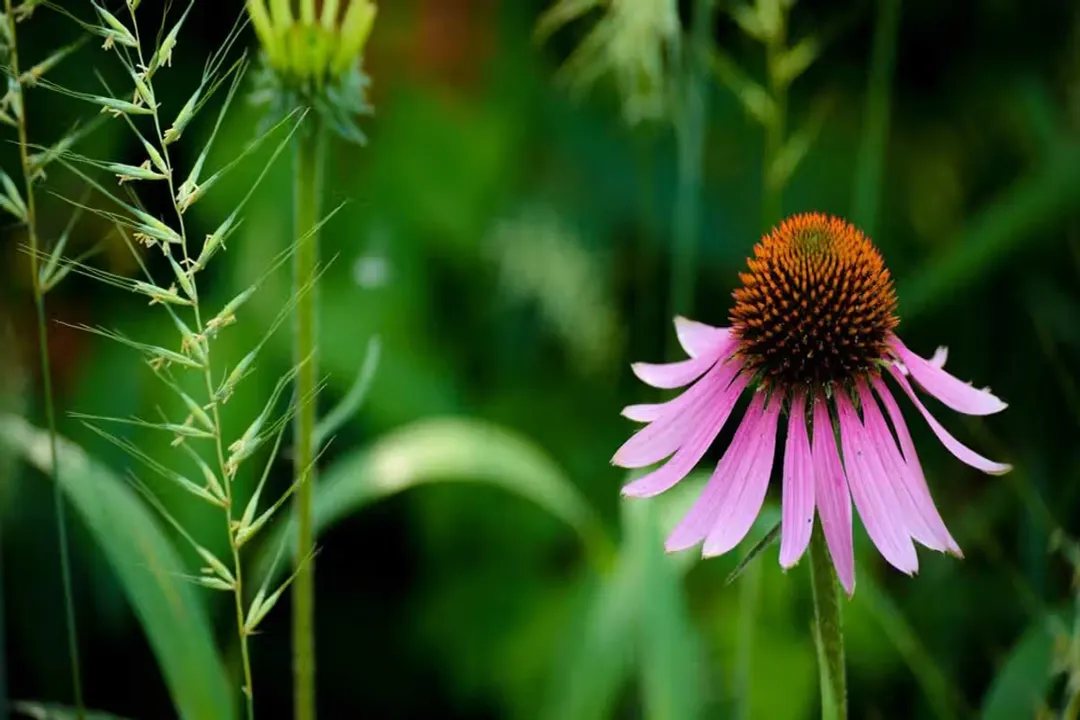
The purple coneflower, scientifically known as Echinacea, has a long and storied history, particularly among Native American populations who recognized its value for various ailments long before it gained widespread popularity across the globe. Today, this genus of flowering plants remains one of the most frequently used herbal supplements, primarily sought after for its potential role in supporting the immune system, especially when facing the common cold. It is important to understand that while it is widely used, the scientific consensus on its effectiveness is nuanced, showing modest benefits under certain conditions.
# Plant Identity
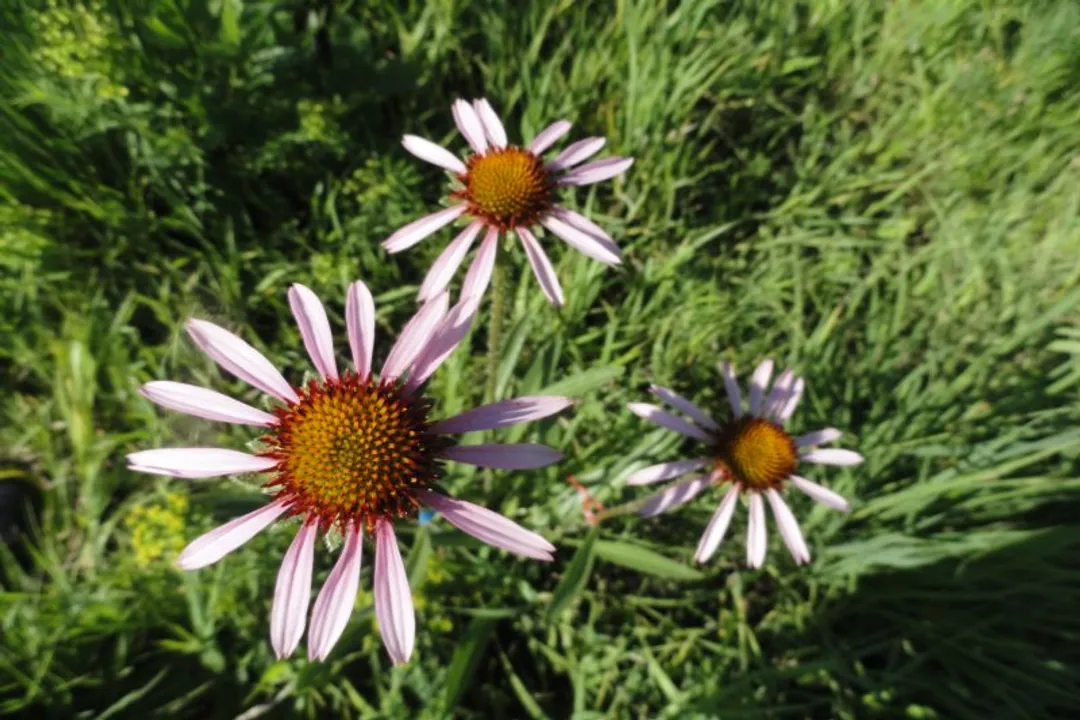
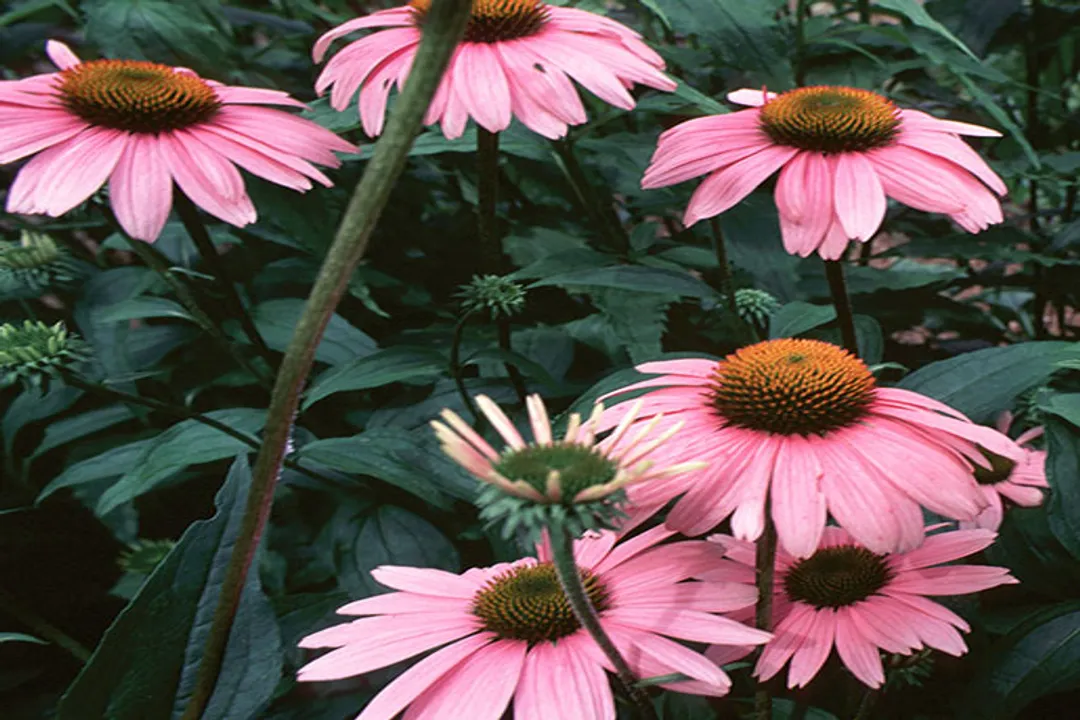
Echinacea is not a single entity but a genus encompassing several species, with Echinacea purpurea, Echinacea angustifolia, and Echinacea pallida being the most recognized in commercial preparations. These cone-shaped flowers, native to central and eastern North America, possess distinctive drooping petals and prominent central cones, giving them their common name. The appearance can vary slightly between species; for instance, E. purpurea is often what people picture when they think of the classic, vibrant purple flower.
The specific species used, and even which part of the plant is harvested, can affect the final product and its intended use. Generally, the root or the above-ground parts, like the leaves and flowers, are gathered for medicinal preparations. Understanding which species is in a supplement bottle is a key factor for consumers, as different species may contain different concentrations of the bioactive compounds that researchers study.
# Traditional Uses

For centuries, various indigenous groups relied heavily on Echinacea for physical well-being. Historical use often centered on topical applications and internal preparations aimed at treating wounds, burns, and insect bites. Furthermore, teas and infusions were commonly prepared from the root to address internal discomforts. These historical applications demonstrate a deep, experiential knowledge of the plant’s properties, predating modern pharmacological testing.
One traditional application involved chewing the root or making a poultice for sore throats or mouth/throat infections. This traditional approach to localized treatment highlights the plant’s historical role in addressing immediate, acute discomforts.

# Immune Modulation
The primary modern interest in Echinacea revolves around its purported ability to stimulate the immune system. Proponents suggest that components within the plant can enhance the body’s defense mechanisms, making it a popular choice as the seasons change or during periods of high exposure to seasonal viruses.
The mechanism suggested by researchers involves stimulating certain white blood cells and potentially activating immune responses like increased cytokine production. This general immune-boosting activity is distinct from treatments that target specific pathogens directly; rather, Echinacea seems to prime the body’s defenses. The plant material is also noted for containing antioxidants and anti-inflammatory compounds, which contribute to its overall supportive profile.
# Cold Evidence
When examining the scientific literature regarding the most common application—preventing or treating the common cold—the results show considerable variation. Some clinical studies have indicated that taking Echinacea may reduce the chances of catching a cold, or, if taken after symptoms begin, it might slightly shorten the duration or lessen the severity of the illness. For example, one systematic review noted that some formulations showed modest benefits in reducing the incidence and duration of colds.
However, it is critical to note the inconsistencies. The effectiveness often seems dependent on the specific species used, the part of the plant extracted, and the preparation method. Because of these variable results, organizations such as the National Center for Complementary and Integrative Health (NCCIH) maintain a neutral stance, suggesting that while some evidence exists, it is not entirely conclusive. This variation means that one person’s positive experience may not be replicable by another using a different Echinacea product.
To put the potential impact into perspective, imagine a typical cold lasting seven days. If an effective preparation reduces that by one day, it is a noticeable, albeit modest, improvement, which is why many people continue to use it based on personal experience.
# Preparation Forms
Consumers today have access to Echinacea in a wide array of delivery systems, which speaks to its versatility and the varying methods of traditional use being adapted to modern convenience. These forms allow users to select an option that best suits their lifestyle and specific needs, whether for systemic support or topical use.
Common oral dosage forms include:
- Capsules and Tablets: These offer precise dosing and are perhaps the most common over-the-counter format. They typically contain dried, powdered herb or standardized extracts.
- Liquid Extracts and Tinctures: These are concentrated liquid preparations, often alcohol-based, allowing for quick absorption. Tinctures provide a way to ingest concentrated components rapidly.
- Teas: Made from dried roots or aerial parts, teas offer a traditional method of consumption, though the strength can vary based on steeping time.
- Gummies and Lozenges: These appeal to those who dislike swallowing pills or want a direct application for throat comfort.
Beyond internal use, Echinacea preparations are also found in topical products like creams, ointments, and salves, historically used to treat skin irritations and promote wound healing.
# Species Comparison Analysis
The diversity within the genus means that sourcing information about efficacy needs to account for species variation, which is often overlooked by the general consumer.
| Species | Commonly Used Part | Primary Traditional Association | Modern Research Focus |
|---|---|---|---|
| E. purpurea | Aerial parts (flowers/leaves) | General immune support | Most common in clinical trials |
| E. angustifolia | Root | Topical and internal strength | High concentration of active compounds |
| E. pallida | Root | Traditional Native American remedies | Less commonly found in commercial supplements |
This variation means that when reading a study that reports a positive outcome, knowing whether they used the root of E. angustifolia or the aerial parts of E. purpurea is essential for matching the expected benefit to the product on the shelf. Consumers should ideally look for products that clearly state the species and the part used, as this speaks to the transparency of the manufacturer.
# Safety Profile
While many people use Echinacea without issue, it is not without potential side effects or contraindications. As a plant commonly associated with allergies, particularly to plants in the daisy family like ragweed, chrysanthemums, marigolds, and daisies, individuals sensitive to these species should exercise caution.
Adverse reactions can include rash, itching, or even more severe allergic responses. Furthermore, because Echinacea is believed to stimulate the immune system, there is a theoretical concern that it might interfere with immunosuppressive drugs used for conditions like autoimmune diseases or organ transplants. Generally, most people who use it for short periods—such as for a week or two during a cold—report few problems.
The NCCIH suggests limiting continuous use to about ten days to two weeks. This recommendation is likely a precaution against potential long-term immunological effects when the body is constantly stimulated, though specific evidence proving harm from longer use is often absent; it is more of a conservative guideline based on traditional use patterns. For any ongoing health condition or before starting new supplements, consulting a healthcare provider is the safest course of action.

# Actionable Steps for Use
For someone considering Echinacea to head off an oncoming cold, timing is a key factor derived from the available evidence. It appears that starting the herbal treatment very early in the course of symptoms yields the best chance of benefit. Waiting until the cold has fully set in may reduce its impact.
If you purchase a standard Echinacea purpurea extract product marketed for colds, a practical approach, based on common study protocols, is often to initiate a higher dose for the first few days when symptoms first appear, then taper down, ensuring the total duration does not exceed the commonly suggested limit of ten days. Always follow the specific dosing instructions provided on the product label unless advised otherwise by a qualified health professional. This structured, short-term approach aligns with the evidence suggesting efficacy in the acute phase of illness while respecting general safety recommendations regarding continuous consumption.
Related Questions
#Citations
Echinacea: Usefulness and Safety | NCCIH - NIH
Echinacea: Benefits, Uses, Side Effects, and Dosage - Healthline
Echinacea: Health Benefits, Uses, Risks & How To Take It
Echinacea: Health Benefits, Safety, Dosage - WebMD
Echinacea Plants & Seeds
Echinacea: Uses, Interactions & Side Effects - Cleveland Clinic
The truth about Echinacea: Plant commonly used for colds and flu ...
What is Echinacea? - Bastyr University Clinic
Use of echinacea in medicine - PubMed
Echinacea | AAFP