Are corals used for medicine?
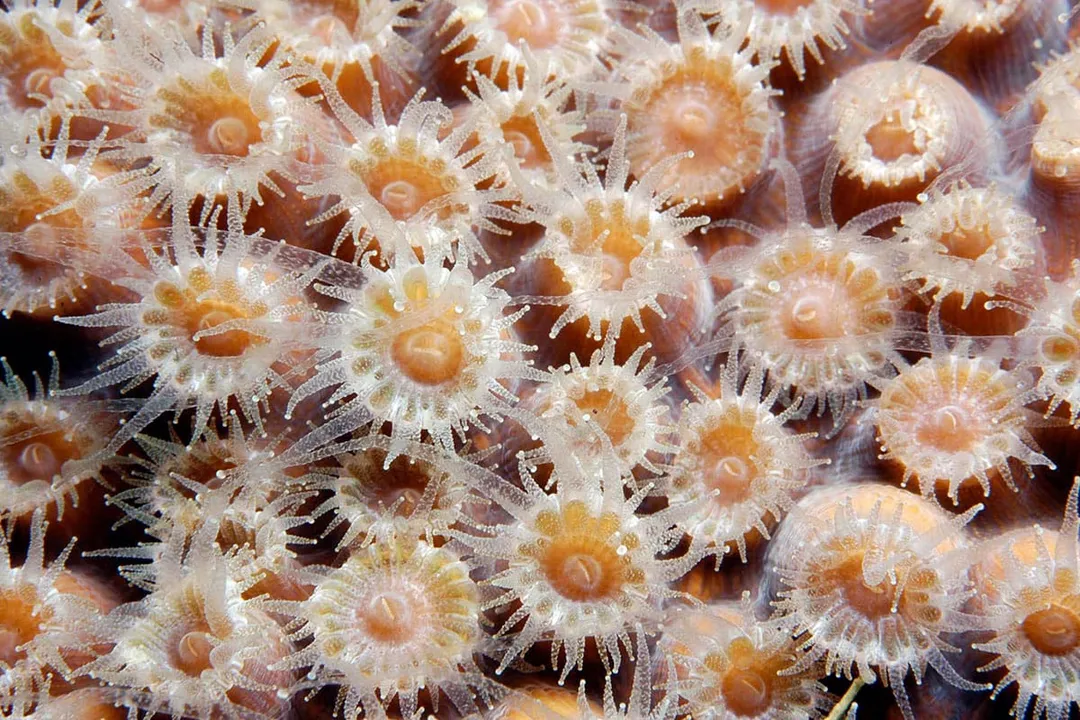
The vast, colorful world beneath the waves holds more than just ecological wonder; it is a significant, yet often overlooked, frontier in the search for new medicines. While many people associate coral reefs primarily with biodiversity hotspots or tourist destinations, their contribution to human health, particularly in the development of novel pharmaceuticals, is substantial. [1][6] This exploration into marine natural products suggests that many species, from the hard structures we typically picture to their softer relatives, contain unique chemical defenses that translate into potent therapeutic potential for human diseases. [5][10]
# Marine Sources
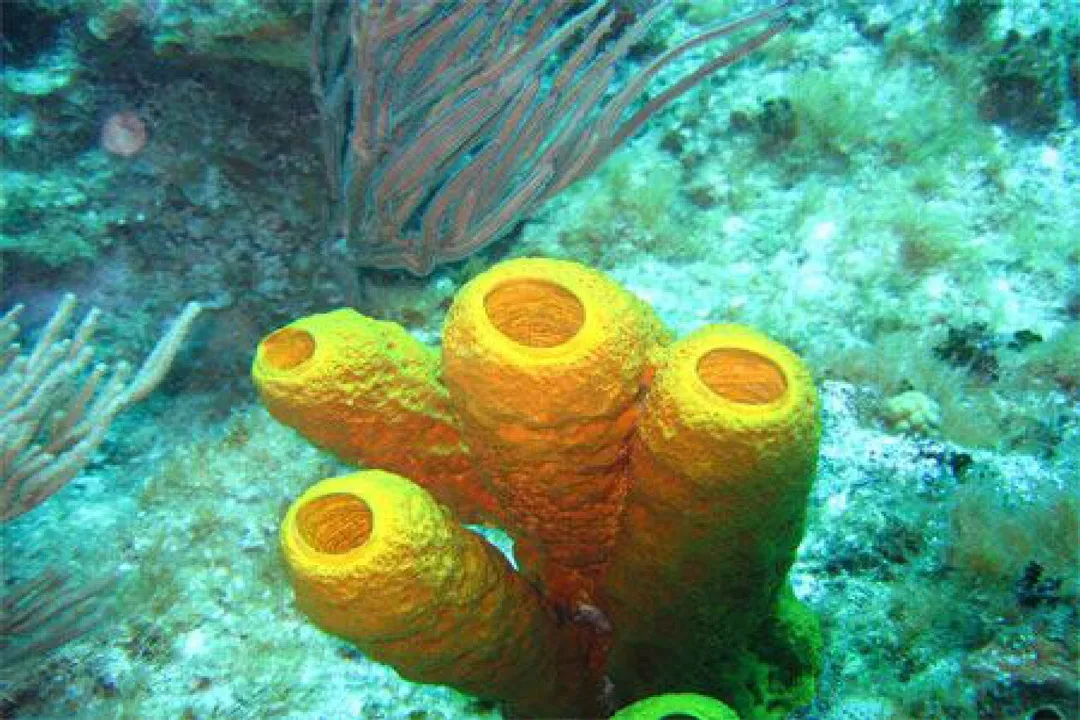
Coral reefs are recognized globally for their importance to human life, extending past food security and coastal protection into the realm of medicine. [1][6] Organisms inhabiting these complex ecosystems have evolved sophisticated ways to survive chemical warfare among themselves and ward off predators. This evolutionary pressure results in the production of complex, often novel, organic compounds that are of immense interest to pharmacologists and chemists. [10]
The sheer biodiversity packed into a small reef area means that the probability of finding unique chemical structures—the building blocks of new drugs—is incredibly high. [1] This makes the conservation of these habitats intrinsically linked not just to ocean health, but to the future pipeline of human therapeutics. [1]
# Soft Coral Focus
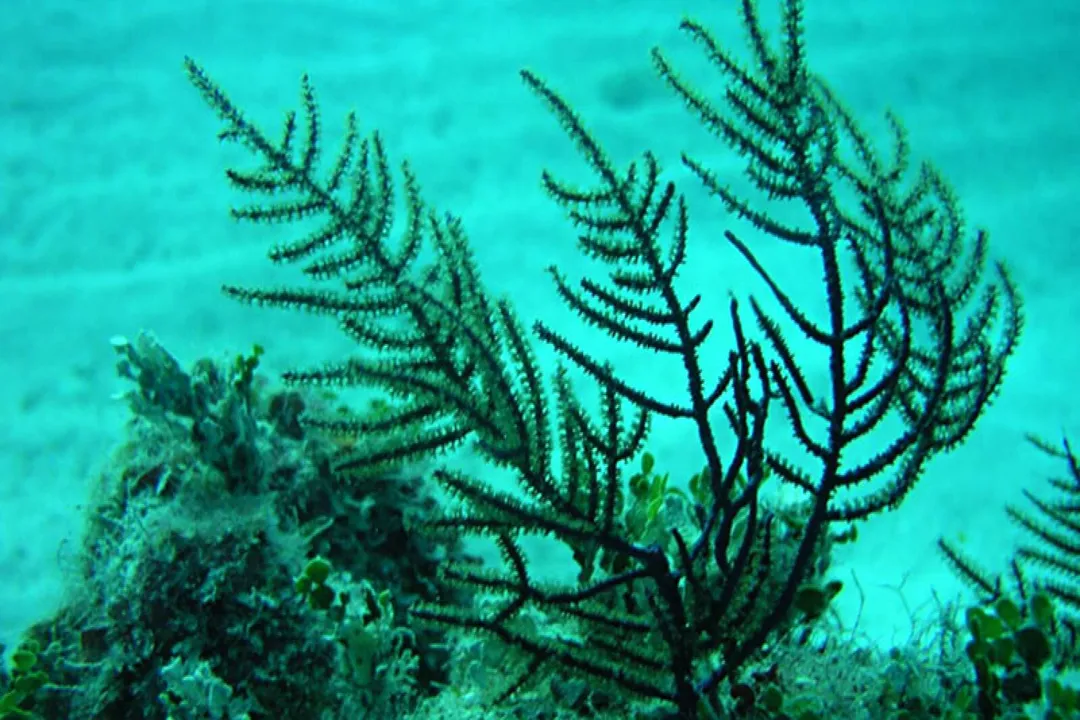
A particular area of intense scientific focus involves soft corals. These organisms, which often lack the rigid external skeleton of their stony cousins, have proven to be particularly fruitful sources for drug discovery. [5] Scientists have been actively investigating soft sea corals specifically because they yield sought-after anti-cancer compounds. [5] The biomedical potential locked within these organisms is actively being unlocked through modern research techniques. [10]
One striking aspect of this research is the isolation of specific molecules that show promise against severe illnesses. For example, studies have highlighted specific compounds derived from soft corals that exhibit significant potential in fighting cancer, prompting ongoing investigation into their precise mechanisms of action. [5][10] This research moves beyond simple observation; it involves isolating, testing, and attempting to synthesize or modify these complex natural products. [9]
# Traditional Chemistry
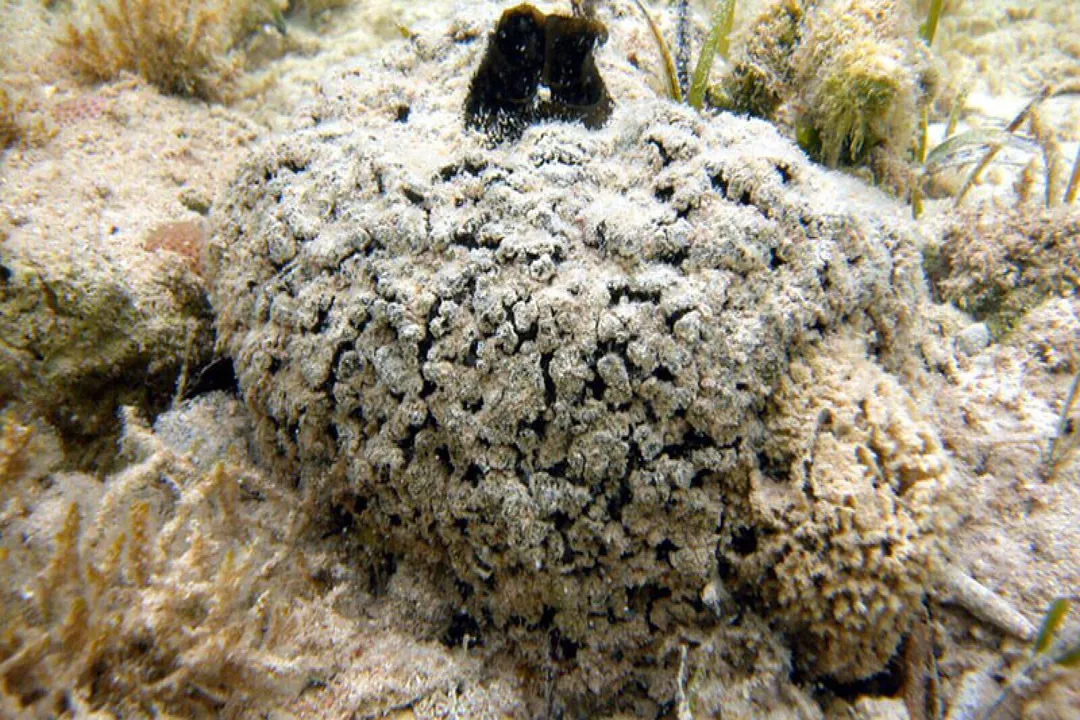
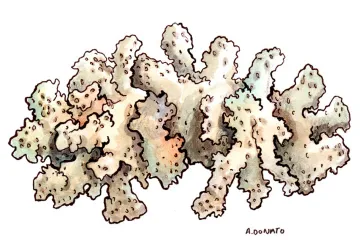
The modern pursuit of coral-derived medicines is often informed by historical knowledge. The application of corals in traditional medicine systems across various cultures is well-documented, providing early clues about which organisms or parts might possess valuable properties. [7] When scientists study these traditional uses, they are essentially tracing historical leads into the laboratory, where they can analyze the actual chemical composition responsible for the reported effects. [7]
This deeper analysis involves examining the pharmacology—how the chemical interacts with biological systems—and toxicology—the potential for harmful side effects. [7] It is a necessary step to move from a traditional remedy to a regulated pharmaceutical agent. For instance, while some interest might surround the skeletal structure of hard corals for their high calcium content, potentially useful as a supplement source, [3] the primary excitement in drug development lies in the soft tissues and the specialized secondary metabolites they produce. [5][7] Understanding the chemical blueprint allows researchers to see if a compound is useful as an anti-inflammatory, an antibiotic, or, as seen often, an anticancer agent. [7]
# Biomedical Research

The field dedicated to utilizing these marine resources for health is growing rapidly. Biomedical research institutes are dedicating resources to systematically screen marine invertebrates, including corals, for novel therapeutic leads. [9] This systematic approach is key to ensuring that discoveries are reproducible and scalable. [10] The goal is not simply to find one cure, but to establish a steady flow of unique chemical scaffolds that could lead to treatments for various conditions that currently lack effective therapies. [9]
It is worth noting that the difficulty of harvesting and cultivating these organisms in a controlled manner often presents a significant hurdle in translating promising lab results into viable treatments. This is especially true for organisms that grow slowly, like many corals, where over-harvesting could destroy the natural source before a drug is fully developed. [1] Imagine discovering a perfect molecular blueprint for treating a widespread disease, only to find that the natural reservoir of that blueprint has vanished due to habitat destruction—this potential loss underscores the urgency of conservation efforts tied directly to pharmaceutical security. Protecting the reef is, in this context, protecting a natural library of human medicine. [1]

# Discovery Barriers
While the excitement is high, the path from a raw coral extract to an approved drug is long and fraught with challenges. Many compounds isolated from marine sources can be highly potent, meaning the difference between a therapeutic dose and a toxic dose can be very narrow. [7] This necessitates rigorous toxicological evaluation before human trials can even be considered. [7]
Furthermore, scaling up production is a technical nightmare for slow-growing or highly specialized species. If a compound is only produced by a specific soft coral found in a very narrow geographic band, relying solely on wild collection is neither ethical nor sustainable for mass-market pharmaceutical needs. [1] Therefore, much of the cutting-edge research involves not just finding the compound but figuring out how to replicate it synthetically in a lab or perhaps through biotechnology, such as coaxing marine bacteria associated with the coral to produce the desired molecule. [10] This chemical duplication effort is crucial; if we can synthesize the active ingredient, we can ensure a stable supply without damaging the source ecosystem. [1]
# Conservation Imperative
The interconnectedness between a healthy reef and a promising medical future is perhaps the most critical takeaway for the general reader. When we discuss the importance of coral reefs, we often focus on fisheries or shoreline protection. [1][6] However, the biomedical potential represents an ongoing, high-value resource that is being destroyed before its full inventory can even be completed. [1]
Considering the millions of dollars and decades of work required to bring a single drug to market, losing access to novel chemical starting points because of bleaching events or pollution is an incalculable loss to human health prospects. [10] Think of the discovery process less like finding a needle in a haystack, and more like burning down the entire haystack every year before you’ve had a chance to check every piece of straw for a medical miracle. This realization shifts the focus of environmental protection from purely altruistic motives to matters of direct self-interest for future generations needing cures for diseases that do not yet have them. [9] Preserving reef health, therefore, becomes a preemptive investment in public health security, safeguarding the organic chemistry that nature has spent millennia perfecting.
Related Questions
#Citations
Medicine
Corals and Their Potential Applications to Integrative Medicine
Coral - Uses, Side Effects, and More
Life-Saving Products from Coral Reefs
Scientists Find Soft Sea Corals Are Source of Sought-After ...
Corals Tutorial: Why are coral reefs important?
The Application of Coral in Traditional Medicine and Its ...
Discovering Life-Saving Medicines in Coral Reefs
Biomedical Research
Study Unlocks Soft Corals' Biomedical Potential