From which specific type of wood is Carbo vegetabilis traditionally sourced for preparation?
Answer
The charred wood of willow trees
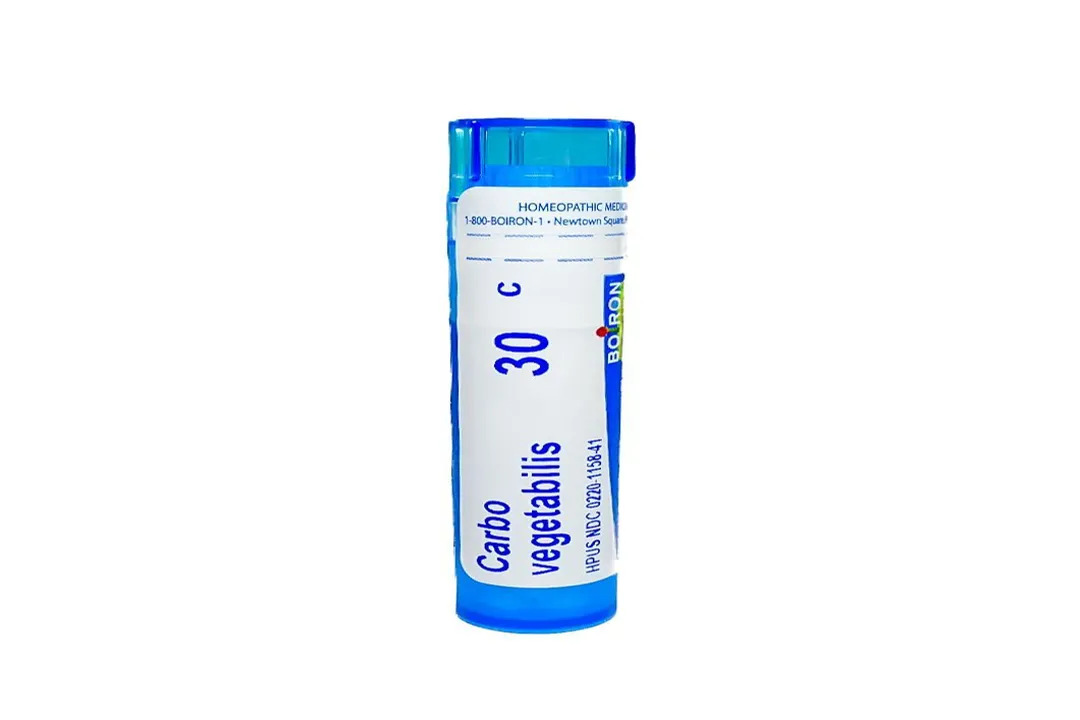
The substance known as Carbo vegetabilis, often abbreviated as Carb-v, is fundamentally derived from vegetable charcoal. The traditional sourcing specifies that this charcoal preparation originates specifically from the wood of willow trees that have been charred, which forms the initial organic material for the homeopathic remedy. This grounding in charred plant matter informs its homeopathic context, even though the final application relies on symptom similarity rather than the broad adsorptive properties associated with activated charcoal in conventional medicine.
Related Questions
From which specific type of wood is Carbo vegetabilis traditionally sourced for preparation?What is the most distinct feature signaling the need for Carbo vegetabilis in a patient?How does the characteristic state requiring Carbo vegetabilis typically react to a warm room environment?Which severe symptom frequently arises in the digestive tract when Carbo vegetabilis is indicated?What quality often affects the breath and mouth presentation in a patient needing Carbo vegetabilis?In terms of physical healing during convalescence, what sign points towards the use of Carbo vegetabilis?Which substance is mentioned as a common inert base found in commercially available Carbo vegetabilis pellets?What crucial dichotomy concerning environmental stimuli differentiates the Carb-v weakness state?What approach concerning potency and frequency is suggested for acute, intense exhaustion states matching Carb-v?What does the qualitative difference in fatigue suggest about the body's ability to maintain basic function in Carb-v patients?