Do doctors still use plaster of Paris?
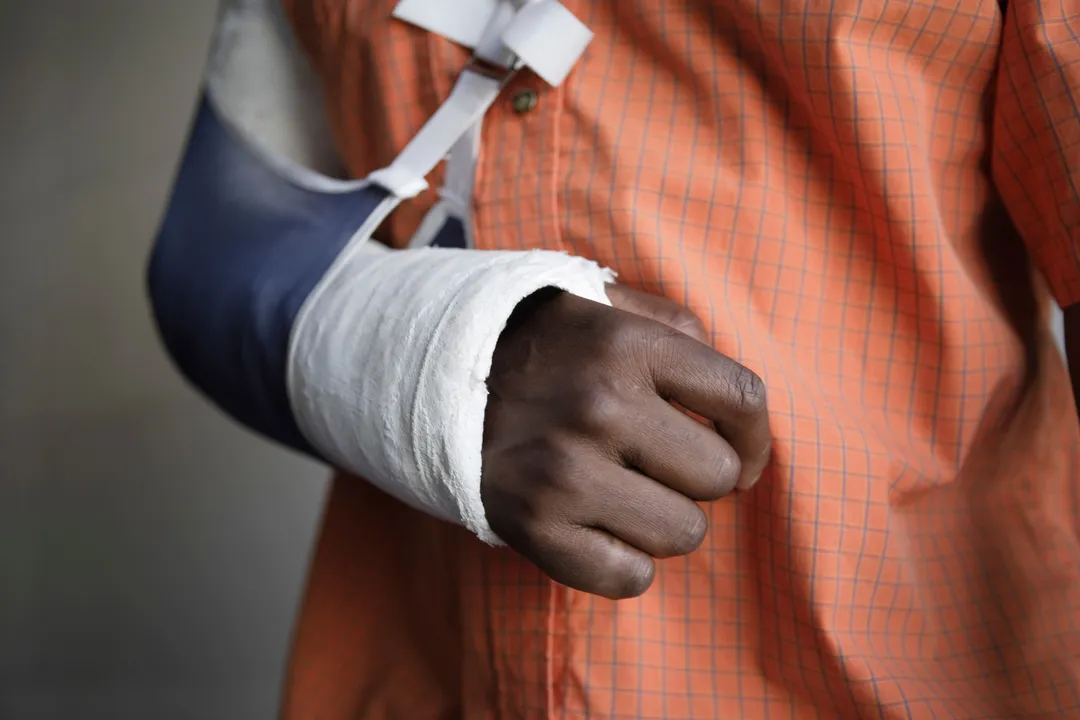
The familiar image of a limb encased in a heavy, white plaster cast remains deeply embedded in popular culture, often sparking the question of whether this traditional method is still standard practice in modern medicine. While contemporary materials have certainly captured the spotlight, the material known widely as Plaster of Paris (POP) has not entirely disappeared from the orthopedic setting. [2][4] Doctors still employ it, though its selection is now more deliberate, often weighed against newer, lighter alternatives for treating fractures and stabilizing injuries. [6][7]
# Gypsum chemistry
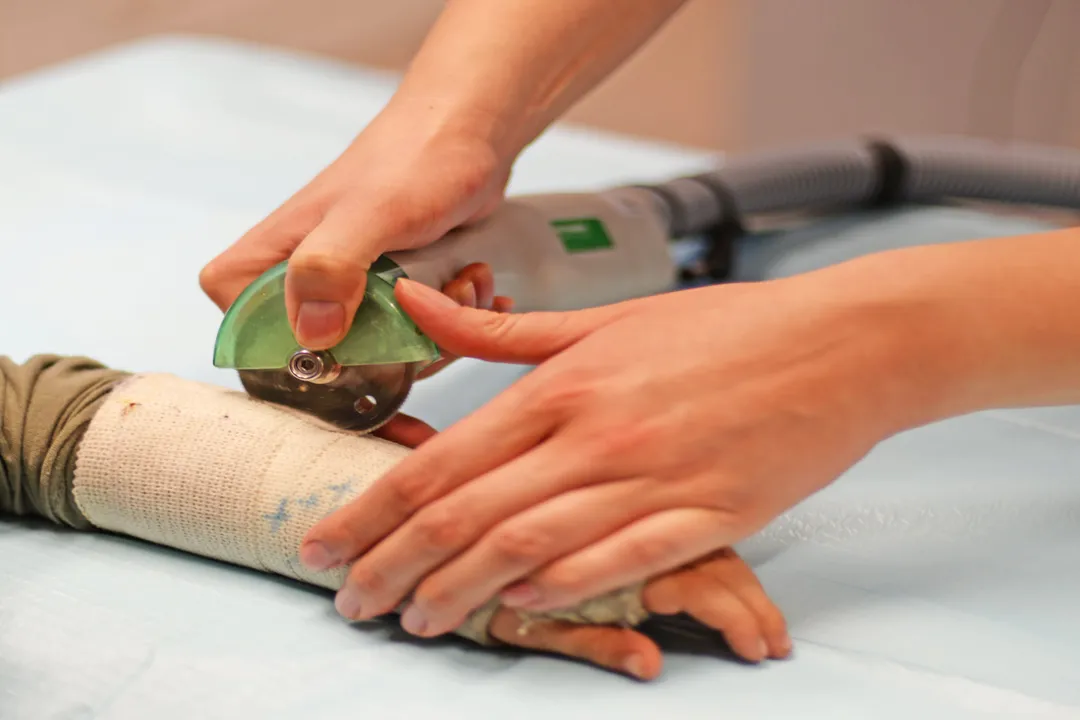
Plaster of Paris is fundamentally a type of orthopedic material derived from gypsum, which is primarily calcium sulfate hemihydrate. [6] When this powder is mixed with water, a chemical reaction occurs that causes it to harden rapidly, transforming back into a solid, rigid form of calcium sulfate (gypsum). [6] This transformation provides the necessary external support for broken bones to heal correctly. The setting process itself is a critical characteristic of POP casts, influencing how and when they are applied. [6]
# Modern materials
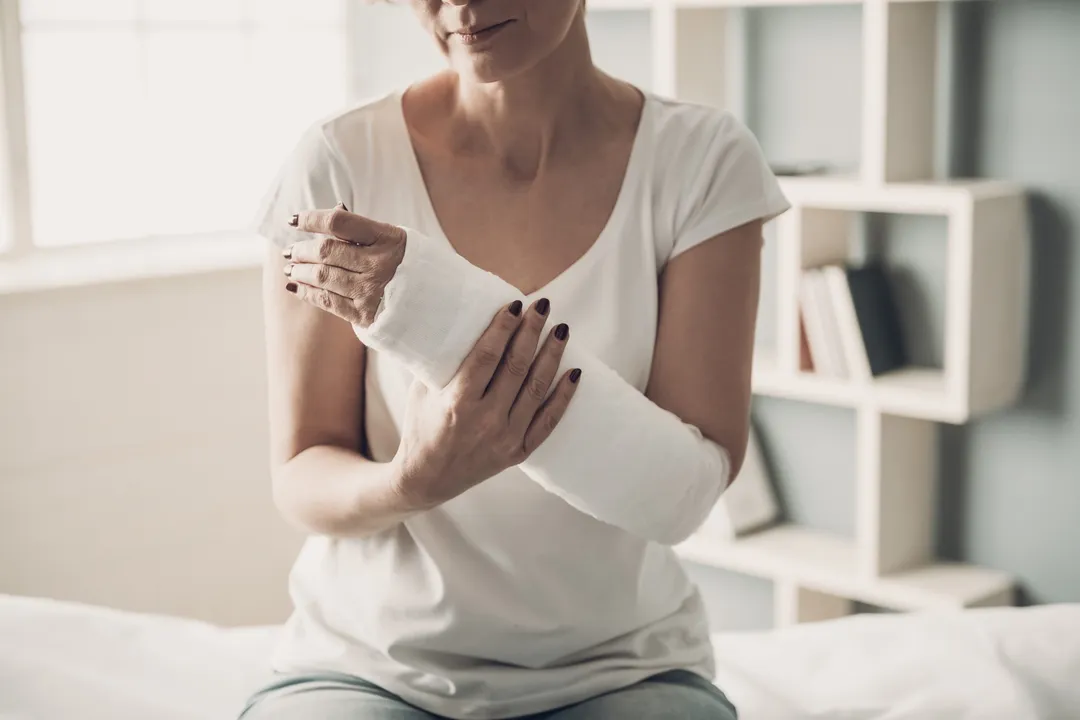
The primary shift in casting technology over the past several decades has been the move toward synthetic alternatives, most notably fiberglass casts. [2][5] Fiberglass revolutionized fracture management by addressing several limitations inherent to traditional plaster. [10] These synthetic materials are significantly lighter than plaster, which drastically improves patient comfort and mobility during the recovery period. [2][5] Furthermore, fiberglass dries and achieves initial structural integrity much faster than plaster, often setting in minutes, allowing patients to leave the clinic sooner. [4]
Another significant advantage of fiberglass is its improved durability and permeability. [4][10] Because fiberglass casts are more breathable, they tend to manage moisture and odor better than dense plaster, which can trap sweat and dirt. [5][10] Crucially for monitoring healing, fiberglass allows X-rays to pass through clearly, meaning doctors can assess bone alignment and healing progress without needing to cut the cast off and reapply a new one repeatedly. [2][6] This transparency is a major benefit for follow-up assessments. [6]

# Comparison points
The choice between plaster and fiberglass often boils down to a clinical trade-off involving weight, drying time, and cost. [4]
| Feature | Plaster of Paris (POP) | Fiberglass |
|---|---|---|
| Weight | Heavier, bulkier [2][5] | Significantly lighter [2][5] |
| Setting Time | Slower; requires hours for full cure [4] | Quick initial set; usable sooner [4] |
| X-ray Visibility | Obscures imaging | Transparent to X-rays [2][6] |
| Water Resistance | Dissolves/weakens when wet [5] | More water-resistant (though water is still discouraged) [5] |
| Cost | Generally less expensive [4] | Usually higher material cost [4] |
While fiberglass dominates many routine fracture scenarios in well-resourced settings, plaster maintains its niche roles. [7] For instance, POP remains a more cost-effective option in some healthcare environments. [4] Moreover, the slower setting time of plaster is not always a disadvantage; it grants the clinician an extended window of time to meticulously mold the material around the injury site. [6] This extended working time can be crucial when stabilizing a particularly complex fracture pattern that requires meticulous initial contouring before full rigidity is achieved, a precision that some practitioners value over speed. [6]
# POP Use Cases
Despite the popularity of lighter materials, there are specific clinical situations where plaster of Paris remains the material of choice for orthopedic surgeons. [7] One key application is when an initial reduction—the process of manually realigning the fractured bone segments—is required, and the surgeon needs maximum time to ensure the alignment is perfect before the cast permanently sets. [6] Plaster allows for this deliberate manipulation over a longer period than the very fast-setting resin-impregnated fiberglass wraps. [6]
Plaster also excels at achieving a very tight, custom fit around the limb contours, especially where intricate molding is necessary to prevent displacement of the bone fragments. [6] In some instances, particularly with pediatric patients or certain lower extremity injuries, the sheer compressive nature and weight of plaster might be intentionally selected to provide maximum immobilization and stability for specific fracture types, even if it means sacrificing some patient comfort. [6] Additionally, if a fracture is initially managed with plaster, a physician might opt to replace a broken or cracked plaster cast with a new plaster cast simply to maintain the known immobilization parameters without introducing the material differences of fiberglass. [10]

# Patient comfort
The patient experience living with a cast is a major consideration in the decision-making process. [5] A heavy plaster cast, especially on an upper limb, can fatigue the patient and alter their center of gravity more noticeably than a lightweight fiberglass counterpart, impacting daily activities significantly during the initial recovery phase. [5] Patients often report issues with itching and trapped debris in both types, but plaster’s density can make it feel hotter and more restrictive. [5][10]
While modern casts offer better ventilation, it is essential for any patient to understand proper cast care, regardless of the material used. [5] For plaster specifically, patients must be warned never to allow the cast to get wet, as this compromises its structural integrity by initiating the re-setting process or weakening the material, potentially leading to fracture instability. [5]
Ultimately, the persistence of Plaster of Paris is a testament to its proven effectiveness as a rigid immobilization tool. [7] It is not used because doctors are resistant to change, but because in the nuanced field of orthopedic trauma, one material does not perfectly suit every break. Plaster remains a reliable, cost-effective option for surgeons who prioritize molding precision and deep immobilization for specific fracture patterns over the light weight and rapid drying time offered by newer synthetic options. [4][6]
Related Questions
#Citations
Plaster of Paris–Short History of Casting and Injured Limb ...
Modern Casts for a Broken Bone
Casts: Types & Care
Are plaster of Paris bandages still used?
How Plaster Casts are Used to Treat Fractures
Orthopedic cast
Have plaster cast fallen out of favor as the preferred ...
Can a Fracture Heal Without a Cast?
Fiberglass and Plaster Casts | Supports Healing of Broken ...