Where are the chemical poisons concentrated in the Black Locust tree, *Robinia pseudoacacia*?
Answer
The bark, leaves, seeds, and seed pods
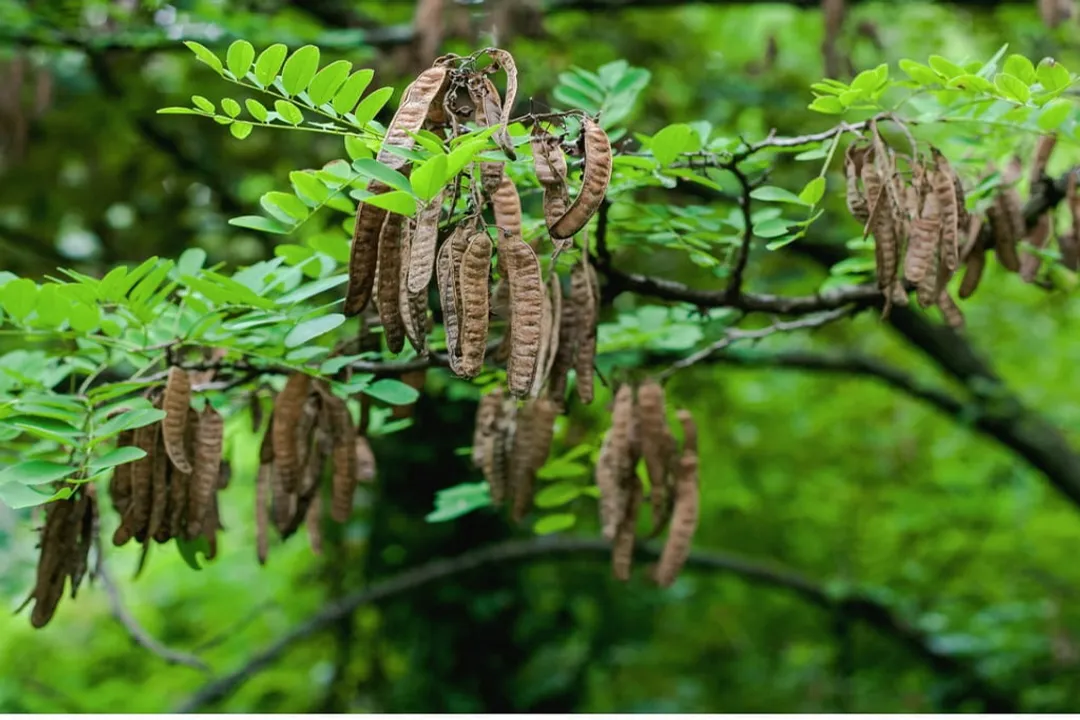
The inherent toxicity of the Black Locust plant is localized in specific structures, primarily the bark, leaves, seeds, and the seed pods. Ingestion of these parts is what leads to significant systemic illness, potentially causing symptoms such as nausea, vomiting, diarrhea, weakness, and depression. While the plant is indeed poisonous, the text specifies that the thorn itself, which is a hardened outgrowth, is not generally considered the source of chemical poisons when it merely pricks the skin. The danger associated with a thorn penetration event shifts away from systemic poisoning and toward physical injury, such as trauma or secondary microbial introduction.
Related Questions
Where are the chemical poisons concentrated in the Black Locust tree, *Robinia pseudoacacia*?What is the major mechanical issue with deeply embedded Black Locust thorns due to their composition?What is the primary medical concern immediately following a deep puncture from a Black Locust thorn?What specific severe complication involves inflammation of the synovium from a lodged thorn fragment?What instruction is crucial regarding the removal of a Black Locust thorn that is fully beneath the skin?When should professional medical evaluation be sought based on the timeline of potential infection symptoms after a puncture?What specific action should be taken if a Black Locust thorn is superficial and easily accessible during first aid?If a patient presents with localized swelling, persistent throbbing pain, and restricted movement over a joint after a thorn injury, what is often suspected alongside infection?What is a key piece of information helpful to a healthcare provider when treating a deep puncture wound specifically identified as coming from a Black Locust?What should be avoided during first aid if a locust thorn is not easily grasped or is completely under the skin?