Can a locust thorn make you sick?
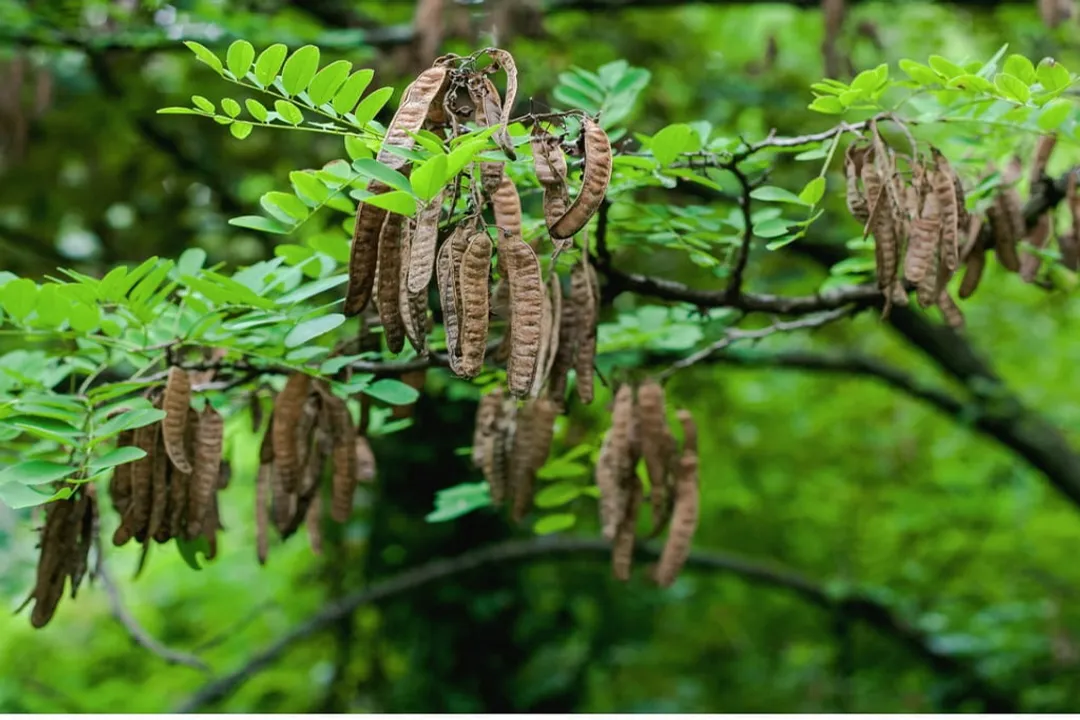
The question of whether being struck by a thorn from a locust tree can cause sickness requires separating the plant’s inherent toxicity from the simple mechanics of a puncture wound. Many people associate the term "locust" with the Black Locust tree (Robinia pseudoacacia), which is known for its dense wood and long, sharp spines. [7] While the plant itself contains toxins, the primary danger from the thorn is usually mechanical trauma and the subsequent risk of bacterial infection, rather than poisoning from the thorn itself upon entry. [1]
# Plant Identity
It is important to establish exactly which "locust" is involved, as the term can sometimes be applied loosely. In many contexts in North America, the concern stems from the Black Locust. [7] This species is well-known to be poisonous, but that toxicity is concentrated in specific parts of the plant, mainly the bark, leaves, seeds, and seed pods. [1] Ingesting these parts can lead to significant illness, including nausea, vomiting, diarrhea, weakness, and even depression. [1]
However, the thorn itself—a hardened, lignified outgrowth—is not typically listed as a source of the plant's chemical poisons if it simply pricks the skin. [1] The danger shifts from poisoning to trauma. When someone sustains an injury from a thorn, the immediate medical concern focuses on the depth of penetration, the foreign body reaction, and secondary infection pathways rather than systemic toxicity from the thorn material itself. [5][6]
# Puncture Risk
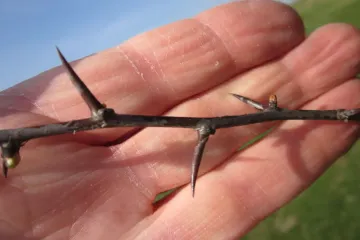
The physical characteristics of the Black Locust thorn contribute heavily to the injury risk. These thorns are notably sharp, stiff, and durable. [6] They grow in pairs at the base of the leaves and can be quite long, often measuring over an inch in length. [6]
A major issue that arises with deep punctures from these types of woody spines is fragmentation. Unlike a softer spine that might easily withdraw or break on the surface, the hard, brittle nature of a locust thorn means it can snap off entirely once embedded in the skin or deeper tissues. [6] When the tip breaks away beneath the surface, the body treats the fragment as a foreign object, which often necessitates medical intervention for removal. [6] Users discussing these incidents online frequently report thorns breaking beneath the skin, causing localized pain that persists long after the initial accident. [3]
A key consideration when dealing with a thorn break is that even if you can no longer see the visible part of the spine, the embedded piece acts as an irritant or potential vector for bacteria, which can lead to delayed complications. [6]
# Infection Pathway
Any time the skin barrier is broken by a foreign object, the risk of microbial contamination increases significantly. A locust thorn, often encountered outdoors, carries surface bacteria from the soil, the tree, or the environment into the wound track. [6]
While the plant may not introduce a specific toxin through the puncture, it creates an entry point for common skin flora to cause problems like cellulitis (a spreading bacterial skin infection) or abscess formation. [6] Symptoms of a developing infection usually manifest in the days following the injury and include increasing redness, warmth, swelling around the site, discharge (pus), and potentially systemic signs like fever or chills. [6] If an injury site becomes increasingly painful and inflamed 48 to 72 hours after the event, professional medical evaluation is warranted to check for infection. [3]
# Joint Reaction
The most severe complication associated with deep penetrating injuries from plant material, including locust thorns, involves structures within joints or tendon sheaths. This condition is medically termed plant thorn synovitis. [8]
Synovitis is an inflammation of the synovium—the thin membrane lining joints and tendon sheaths. [8][5] When a thorn fragment lodges in this sensitive area, the body mounts an inflammatory response to try and expel or wall off the foreign material. [5] This is often a sterile (non-infected) inflammatory reaction, but it can sometimes become secondarily infected. [5]
Symptoms of synovitis are distinct from a simple skin infection and often include significant localized swelling, persistent throbbing pain, noticeable warmth over the joint, and restricted range of motion. [8] This is particularly concerning if the injury occurs in the small joints of the hands or feet, where even minor internal swelling can severely limit function. [8] Because the pain and swelling might be intense and mimic a severe infection, distinguishing between true infection and sterile synovitis often requires clinical assessment. [5]
# Injury Care
Immediate and appropriate first aid is critical for minimizing the risk of either infection or persistent foreign body retention. If the thorn is visible and only superficially embedded, care should focus on gentle, thorough cleaning. [6]
- Clean the Area: Wash the site thoroughly with soap and water. [6]
- Attempt Removal (If Superficial): If the thorn is easily accessible, use sterilized tweezers to grasp the part protruding from the skin and pull it out along the same path it entered. [6] Avoid squeezing the skin hard, as this increases the risk of the thorn breaking. [6]
- Do Not Dig: If the thorn is fully beneath the skin or cannot be easily grasped, resist the urge to dig at it with unsterilized instruments. [6] Aggressive probing significantly increases tissue damage and bacterial introduction. [6]
- Assess Severity: If the puncture is deep, near a major joint, or if the person is unsure of their tetanus immunization status, seek professional medical attention. [7] Tetanus prophylaxis is a standard precaution for puncture wounds. [7]
Considering the rigidity of these thorns, it is wise to treat any deep puncture near a finger or toe joint with heightened suspicion. A simple home removal attempt carries a higher potential penalty near a critical articulation point than it does on a flatter surface of the skin or limb. [5] If the area remains painful or swollen past a couple of days, a doctor can use imaging, like an X-ray, to locate any deeply retained fragments that might be causing the ongoing reaction, which is often difficult to accomplish with visual inspection alone. [5] If the thorn is identified as being from a Black Locust, informing the healthcare provider of the specific plant genus can be helpful, as it frames the differential diagnosis toward foreign body reactions common with woody plant material. [1][7]
Related Questions
#Citations
Are Black Locust Trees Toxic? - Poison Control
Expert Advice on Treating Locust Thorn Punctures and Swelling
Got pricked by a thorn on this plant and 4 days later it still hurts like ...
Black locust tree allergic reaction symptoms - Facebook
The Black Locust Tree: Toxalbumin-Induced Tissue Necrosis ... - NIH
black locust thorns--infections - The Tree House
Skin Irritations Caused by Plants for Trainers and Supervisors
Plant Thorn Arthritis Infection Causes, Symptoms, Treatment
Toxicity of Black Locust - Woodweb