Can you get sick from touching a worm?
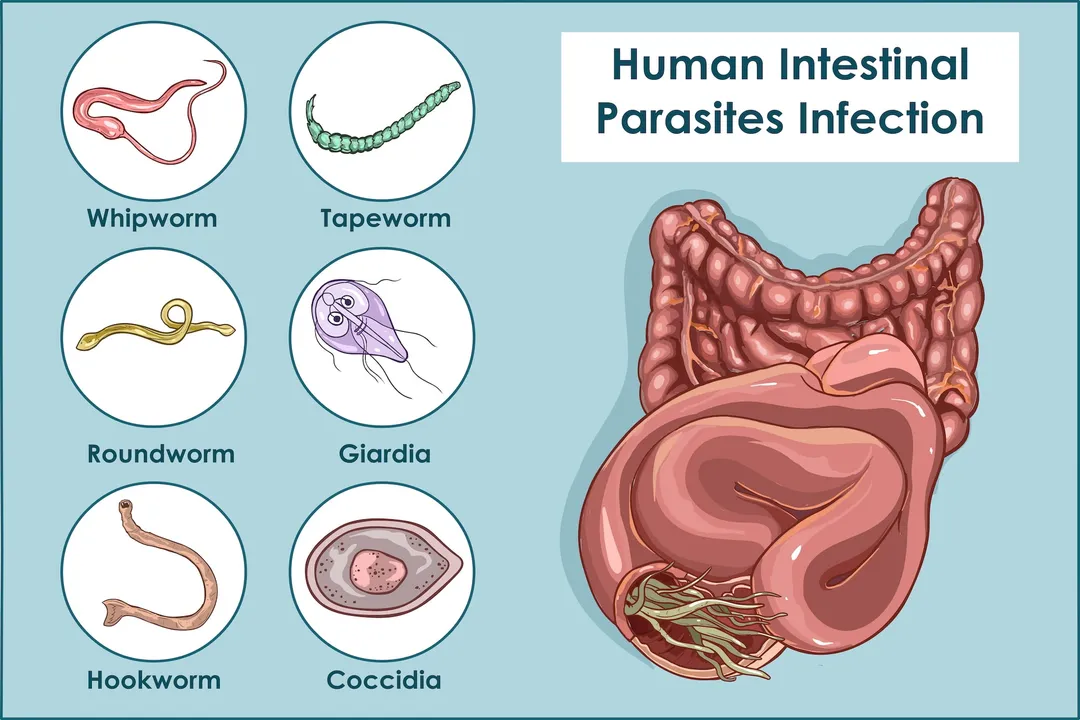
The immediate reaction when an earthworm surfaces in the garden or, perhaps more startlingly, is placed on bare skin, often involves a flash of concern about contracting some form of illness. It is a very common, natural apprehension, rooted in the general understanding that dirt and soil harbor microscopic life. However, the reality of whether touching a worm—any kind of worm—will actually make you sick is far more nuanced than a simple yes or no answer. The danger usually isn't the worm itself as a creature, but rather what might be on it, what the worm might carry, or whether the worm belongs to a specific parasitic group that infects humans through different pathways entirely.
# Earthworm Contact
For most people interacting with common soil dwellers, such as earthworms, the direct physical act of touching them presents a very low risk of disease transmission. Earthworms are not known to carry specific, immediate diseases that transfer simply through intact skin contact, unlike some other vectors. When people work with worm bins for composting, for instance, routine handling with bare hands is common practice among enthusiasts. If they were inherently dangerous to touch, this hobby would be considerably riskier.
The genuine concern with earthworms, or any organism pulled from the soil, centers on secondary contamination. Soil itself is a complex environment teeming with bacteria and potentially the microscopic eggs of various parasites that dogs or cats may have deposited there. If you handle an earthworm and then inadvertently touch your mouth, eyes, or an open cut before thoroughly washing your hands, you risk ingesting those pathogens or eggs. For example, eggs from Toxocara—the roundworm species often found in dogs and cats—can reside in contaminated soil. Touching the earthworm might transfer these eggs to your hand, which then leads to infection via ingestion.
It is worth comparing the immediate microbial load on the worm's surface against the risk of ingesting a viable parasite egg. A freshly unearthed earthworm is covered in soil particles and mucus, which naturally carry local bacteria and fungi. While a healthy immune system generally handles incidental exposure to common soil bacteria, the persistent threat lies with those pathogens or parasite eggs that are specifically adapted to infect mammals, which requires getting past the skin barrier or into the digestive tract. A simple, effective handwashing routine after gardening or handling soil-dwelling creatures is the most significant barrier against potential illness.
# Parasitic Types
When discussing sickness from worms, we must differentiate between the harmless earthworm and parasitic worms that specifically target humans. The transmission methods for these pathogenic species vary widely, leading to different levels of risk associated with contact.
# Ingestion Route
Many common human worm infections are established through the mouth, not the skin. Roundworms, for instance, such as Ascaris species, are typically transmitted when a person swallows the infective eggs. These eggs, which can survive in the environment, contaminate food, water, or hands. Similarly, pinworms (threadworms) are notorious for spreading when microscopic eggs are transferred from the anal area to surfaces or hands, and subsequently moved to the mouth. If someone has an established intestinal worm infection, the environmental contamination they create through eggs or segments is the primary way the infection spreads to others, usually via hand-to-mouth contact.
The issue of Toxocara infection mentioned previously fits here perfectly. Infection occurs when eggs from the feces of infected animals are accidentally swallowed, and the larvae hatch and begin migration within the human body. In these scenarios, touching the surface of a worm that was crawling in contaminated soil is secondary to ingesting the actual microscopic infective stage, which is the egg.
# Penetrating Skin
A much more direct method of infection involving skin contact, though not with an earthworm, is seen with the parasitic flatworms that cause schistosomiasis, also known as bilharzia. This disease is not spread by touching a worm on dry land or in garden soil; rather, it is transmitted when the larval forms of the parasite, released from infected freshwater snails, actively penetrate intact human skin while a person is wading, swimming, or bathing in contaminated fresh water. The penetration is an active process by the parasite, not just passive transference from a surface. While this involves skin contact, it requires a very specific, rare environmental exposure involving intermediate hosts (snails) and specific water bodies, which differs drastically from picking up an earthworm in a backyard.
It is vital to distinguish these active penetrators from the passive transfer mechanism associated with surface contaminants like bacterial slime or parasite eggs on an earthworm.
# Recognizing Ailments
If, despite precautions, a parasitic infection is acquired—whether through ingestion of eggs or skin penetration in the case of schistosomiasis—the subsequent symptoms can be varied and often non-specific. Recognizing these signs is important for seeking appropriate medical attention, although they do not confirm the specific method of entry. General indicators of a parasitic infection might include persistent, unexplained symptoms such as abdominal pain, nausea, or chronic fatigue. Other, more specific symptoms depend entirely on the type and location of the worm, ranging from visible worms in stool to more systemic issues caused by migrating larvae.
For many common intestinal worms, symptoms might be mild or absent altogether, especially with low-level infections. For example, while Ascaris infection can cause coughing, abdominal discomfort, or blockages in severe cases, many people carry the infection without significant symptoms.
# Safety Habits
The fundamental takeaway when considering contact with soil-dwelling creatures is that hygiene dictates safety, rather than the creature itself being inherently toxic upon touch. Consider the context: a gardener who spends hours working in soil should adopt slightly more rigorous handwashing than someone who merely observes an earthworm cross the sidewalk. The former is constantly introducing their hands to high concentrations of soil-borne materials.
For practical purposes, establishing a simple protocol helps manage the low but present risk: Always wash hands with soap and water after handling soil, compost, pets, or any creature pulled from the ground, especially before eating, drinking, or touching the face. This singular action effectively mitigates the risk associated with accidental ingestion of Toxocara eggs or environmental bacteria transferred from the worm's surface. If you are traveling or swimming in tropical freshwater environments where schistosomiasis is endemic, the concern shifts entirely to avoiding contact with that specific water source, as protective measures must focus on preventing larval entry, not surface cleaning. This contextual awareness—knowing whether you are dealing with yard dirt versus potential endemic freshwater—is more protective than fearing every worm you see. The risk profile changes based on geography and activity, moving from general hygiene practice to specific environmental avoidance.

Related Questions
#Citations
Roundworms: Parasitic Infection, Pinworm Symptoms, Treatment
10 Signs You May Have A Parasite - Manhattan Gastroenterology
About Schistosomiasis - CDC
Can earthworms make you sick or give you a disease? Someone ...
Is it dangerous to go bare-handed in worm bin? - Reddit
Worms in humans: symptoms, causes, diagnosis and treatments - HSE
Toxocariasis | Nemours KidsHealth
Schistosomiasis (bilharzia) - NHS
Roundworms and hookworms | St. Vincent's Medical Center