What jobs can you get with bioethics?

A degree or advanced study in bioethics opens doors across many sectors where moral reasoning intersects with scientific advancement and healthcare practice. [1][3] It equips individuals with the analytical skills necessary to navigate complex dilemmas involving life sciences, medicine, technology, and public policy. [4][5] This specialized knowledge is increasingly valued in environments grappling with issues like genetic modification, end-of-life care, resource allocation, and data privacy. [7]
# Clinical Application
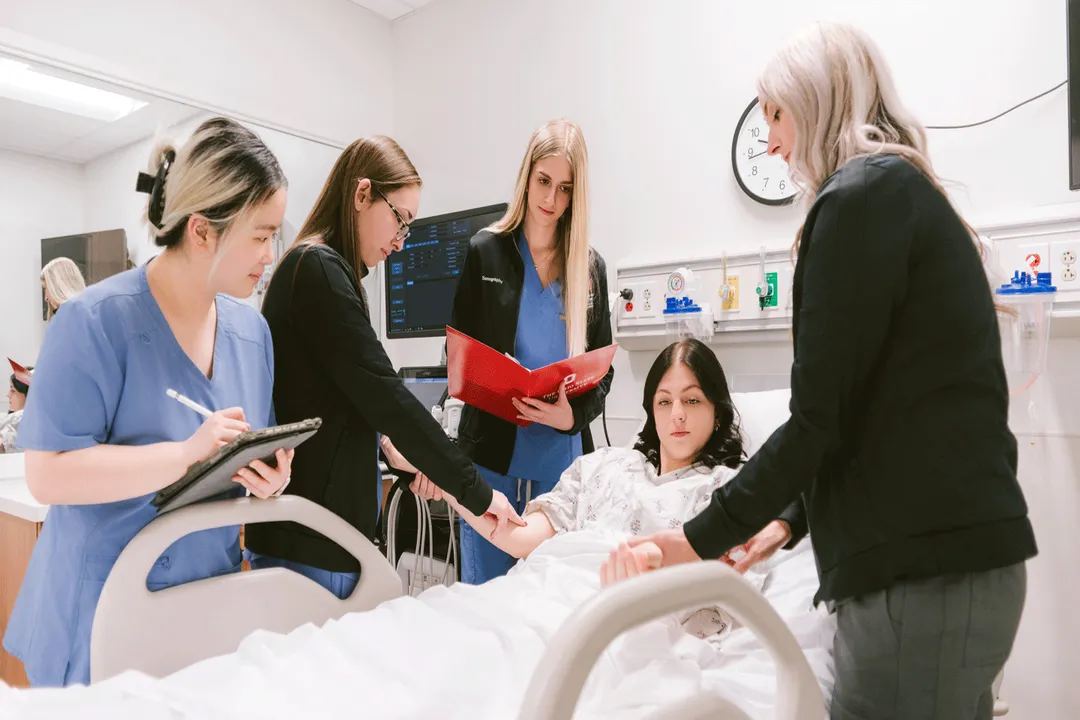
One of the most direct career paths involves working within healthcare systems, often in roles centered on patient care and institutional policy. [3][6] Clinical ethicists are foundational to this area, serving on hospital ethics committees to review challenging cases involving patient autonomy, informed consent, or disputes among medical teams and families. [1][4] These professionals don't make the final medical decision, but rather clarify the ethical dimensions of the situation, ensuring decisions align with accepted principles and institutional guidelines. [9] In larger medical centers, you might find bioethics consultants who provide direct support or serve as liaisons between departments. [2]
Another critical clinical-adjacent role is found in genetic counseling or departments dedicated to genomics, where practitioners must address the profound ethical implications of new diagnostic and therapeutic technologies. [1][5] While genetic counselors often require specific certification, a bioethics background provides the necessary moral fluency to discuss risks, reproduction ethics, and potential societal impacts with patients facing complex genetic information. [1]
It is worth noting a nuance in hospital settings: the distinction between the institutional ethics committee role and direct clinical consultation. While smaller community hospitals might rely solely on a committee structure for guidance, major academic medical centers often employ dedicated staff whose primary function is reactive consultation—stepping in when an immediate ethical conflict arises, rather than solely focusing on policy review. [2] This requires a different skill set focused on rapid mediation and clear, high-stakes communication.
# Research Governance

The world of research, driven by innovation and federal oversight, heavily relies on bioethics expertise to maintain public trust and ensure participant safety. [7][10] Professionals in Institutional Review Boards (IRBs) are essential gatekeepers. [4] These roles, which can range from administrative coordinator to IRB Chair, involve reviewing research protocols to assess risks versus benefits, ensuring appropriate consent procedures are in place, and monitoring studies involving human subjects. [1][5]
Those with a background in bioethics often transition into Research Compliance or Research Integrity positions. [3] These jobs focus on auditing ongoing studies, developing institutional policies to prevent misconduct, and educating researchers on the ethical obligations tied to funding sources like the National Institutes of Health (NIH). [6] Expertise here is crucial for institutions seeking or maintaining federal research grants, as adherence to ethical standards is non-negotiable. [4] Furthermore, as research expands into areas like big data and artificial intelligence in medicine, bioethicists are needed to develop protocols for data governance, de-identification, and secondary data use, areas where traditional research ethics guidelines sometimes struggle to keep pace. [7]

# Policy Development
Bioethics graduates frequently move into spheres where their analytical skills shape broader ethical guidelines and regulations. [3] Roles in public health agencies, government offices, or legislative bodies require professionals who can translate complex ethical theories into practical, enforceable policy. [1][4] This might involve advising on organ donation regulations, vaccination mandates, or the ethical sourcing of medical supplies during public health crises. [5]
Non-governmental organizations (NGOs) and professional associations, like the American Society for Bioethics and Humanities (ASBH), also employ individuals to advance the field, develop professional standards, and advocate for ethical considerations in health law and practice. [9] A bioethics background offers a crucial perspective for crafting legislation or guidelines that balance scientific progress with human rights and social equity—a perspective often missing when policy is crafted solely by lawyers or scientists. [10]
# Corporate Ethics
The expansion of biotechnology, pharmaceuticals, and health-tech means that industry has become a significant employer for bioethicists. [6][7] Within pharmaceutical and biotech companies, bioethicists often work in Regulatory Affairs or Medical Affairs departments. [3] Their work centers on the ethics of drug development, clinical trial design (especially in vulnerable populations), marketing practices, and fair access to high-cost therapies. [1][10]
A growing area is Data Ethics or AI Ethics within technology firms that handle vast amounts of patient data. [2] Here, the focus shifts to ensuring algorithms used for diagnostics or treatment recommendations are fair, unbiased, and respect patient privacy rights, even when legal frameworks haven't fully caught up to the technology. [7] For instance, an expert might analyze whether an AI diagnostic tool performs equally well across diverse racial or socioeconomic groups, flagging bias before deployment—a vital function that goes beyond standard data security compliance. [1] This corporate path often demands strong business acumen alongside ethical theory. [3]

# Academia
For those who enjoy teaching and contributing original scholarship, academia remains a rewarding route. [4][5] This typically requires an advanced degree, often a PhD, but sometimes an MA/MS paired with significant practical experience or an MD/JD. [6][10] Roles include teaching bioethics courses at the undergraduate or graduate level, or serving as a bioethics center fellow or faculty member. [4][5]
Academic bioethicists spend time publishing peer-reviewed articles, securing research grants, and mentoring students or junior faculty. [9] They contribute to the theoretical underpinnings of the field, examining new concepts like neuroethics or environmental ethics as they relate to human decision-making. [3] Furthermore, in many universities, faculty members with this background are often tapped to serve on university-wide committees, such as the IRB or animal care and use committees (IACUC), extending their influence beyond the specific ethics department. [1]
# Specialized Consulting
Independent practice is another possibility for experienced bioethicists. [2] Bioethics consultants may work for smaller healthcare systems that cannot afford full-time staff, advise law firms on medical malpractice or end-of-life cases, or provide specialized training workshops for corporate compliance teams. [1] This path often requires an established reputation, a strong professional network, and proven experience managing high-stakes situations. [10] Building a consulting practice often involves specializing in a niche, such as pediatric ethics or emerging biotechnologies, to attract clients who need deep, focused expertise rather than general committee review. [2]

# Degree Level Impact
The type of degree obtained significantly influences the available career trajectory. While a bachelor's degree in bioethics or a related field can serve as an excellent foundation for entry-level positions in administrative support, research coordination, or patient advocacy, advanced study is usually necessary for leadership or faculty roles. [1][6] A Master of Arts (MA) or Master of Science (MS) in Bioethics, often taking one to three years, prepares graduates for roles in IRB management, hospital ethics program administration, or policy analysis. [6][10] Doctoral degrees (like a PhD in Philosophy with a concentration in Bioethics, or advanced professional degrees like MD or JD) are generally required for tenured faculty positions or high-level leadership roles in government or major non-profits. [4][10]
If you are weighing an MA versus a specialized advanced degree like an MD/JD/PhD, consider the required practical vs. theoretical immersion. An MA program often provides a survey of the field and immediate administrative skills, suitable for moving into IRB work or hospital administration quickly. [10] Conversely, a PhD program prioritizes original research and deep theoretical contribution, positioning one for long-term academic careers or expert policy advising, though it demands a longer time commitment before achieving a salary typical of senior roles. [4]
To maximize career flexibility, especially when holding a master's degree, consider structuring your coursework to gain a secondary competency. For example, pairing a bioethics MA with formal coursework in public health administration or health law can make a candidate significantly more attractive for high-level compliance or regulatory roles where the ethical theory must be directly married to legal statutes. [8] This dual-track preparation allows one to speak fluently across disciplinary boundaries—a major asset in complex organizations.
# Navigating Career Entry
Breaking into the field often requires more than just a diploma; practical experience is highly sought after. [9] Internships or volunteer work with ethics committees, patient advocacy groups, or research compliance offices provide invaluable exposure to the real-world constraints and speed of decision-making that academic study might not fully capture. [4] For example, an applicant for an IRB position who has already shadowed IRB meetings will have a distinct advantage over one who only understands the concept of subject protection. [1]
Another tangible step for those early in their career is seeking accreditation or certification through professional bodies where available. While bioethics itself is broad, related fields like clinical research coordination (CCRP) or specific health law certifications can complement a bioethics degree, making the candidate immediately more marketable for specialized industry or hospital roles. [9]
When seeking your first role, be prepared to market your skills broadly. Many employers may not have a "Bioethicist" title open. Instead, search for roles emphasizing risk assessment, policy analysis, compliance, informed consent documentation, or organizational decision-making within healthcare, government, or tech sectors. [1][3] The successful candidate frames their ethical training not as abstract philosophy, but as applied risk management and high-level analytical problem-solving for tangible organizational challenges. [6]
Finally, remember that career progression in this area often involves lateral moves between sectors. An ethicist who spends five years in a hospital compliance office might transition smoothly into a pharmaceutical regulatory role because the core skill—interpreting rules against human impact—remains constant, even as the subject matter shifts from patient consent to drug trial design. [2] Understanding this fluidity allows for more strategic career planning that builds expertise across the ecosystem of ethical decision-making, rather than remaining siloed in one sector.
Related Questions
#Citations
16 Jobs You Can Do With a Bioethics Degree | Indeed.com
Bioethics Careers Thread - Reddit
Careers in Bioethics - Fordham University
Careers in Bioethics - Health, Ethics, and Society Program
What careers are there in bioethics?
What Can You Do with a Bioethics Master's Degree? | Ohio State ...
Meet A Bioethicist - Johns Hopkins Berman Institute of Bioethics
Who should apply? | Emory University | Atlanta GA - Center for Ethics
Bioethics Jobs | ASBH
What Can You Do With a Masters in Bioethics? - St. Thomas University