What organ are plums good for?
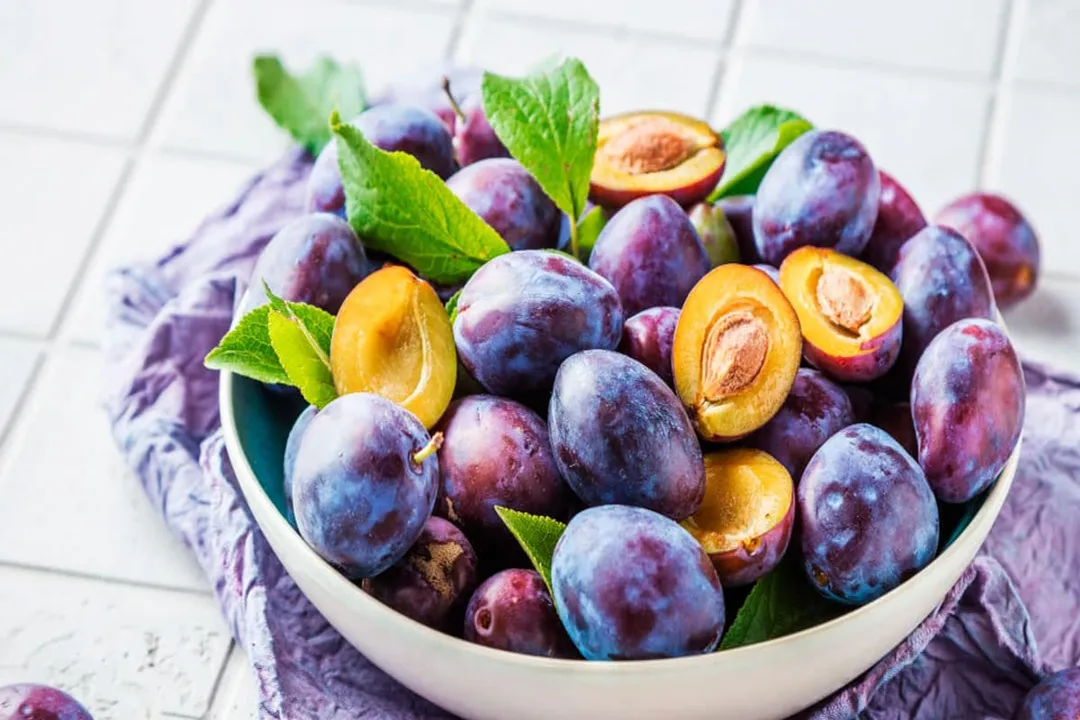
Plums, whether enjoyed fresh as a summer treat or dried into their more concentrated form, prunes, offer a surprising range of advantages for several key areas of human physiology. While often relegated to a simple discussion about digestive regularity, a closer look at their nutritional profile reveals significant contributions to cardiovascular strength, skeletal integrity, and metabolic stability. Understanding how the various components—from essential vitamins and minerals to potent plant compounds—interact within the body allows us to appreciate this fruit far beyond its flavor profile. [1][2]
# Intestinal Function
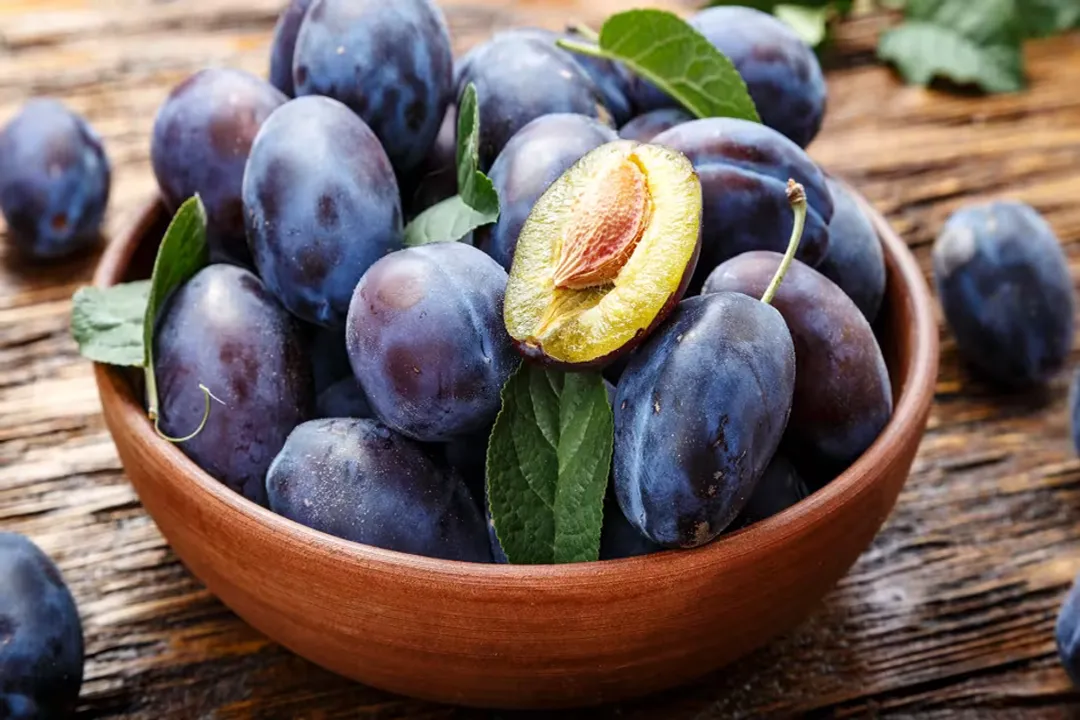
The most widely acknowledged benefit of consuming plums and prunes centers squarely on the digestive system. This fruit acts as a natural aid to keep things moving smoothly, primarily due to its high content of dietary fiber and the presence of a specific sugar alcohol called sorbitol. [3][6] Fiber itself is crucial; it adds bulk to stool, which helps waste move through the colon more efficiently. [1] Prunes, being the dried version, contain a much higher concentration of this beneficial fiber per serving compared to their fresh counterparts. [1]
The role of sorbitol is particularly interesting in the context of bowel regularity. Sorbitol is a type of sugar that the body digests slowly. When it reaches the large intestine, it draws water into the bowel, which softens the stool and stimulates peristalsis—the wave-like muscle contractions that move food waste along. [2][6] This dual action of bulk fiber and osmotic liquid means that plums, and especially prunes, are highly effective against occasional constipation. [2][3] For anyone seeking to maintain consistent digestive rhythm, understanding the concentration difference is key. A single fresh plum might offer a mild nudge, but dried prunes pack a much more significant, concentrated dose of these regulatory compounds. [1]
When considering regular intake, it is important to approach prune consumption mindfully. While effective, introducing too much sorbitol or fiber too quickly can lead to bloating or gas as the gut bacteria work to process these compounds. [6] A practical tip for incorporating prunes gently is to start with just two or three per day alongside your regular meals, ensuring you also increase your water intake significantly. This extra hydration ensures the fiber has the necessary medium to work without causing discomfort, optimizing the process rather than overwhelming the system. [1] Furthermore, the benefits extend to the general health of the colon lining, with some research suggesting regular intake may even support a reduced risk of developing colon cancer due to improved transit time and the presence of antioxidants. [8]
# Heart Health
Plums contribute meaningfully to the health of the cardiovascular system, supporting both blood pressure regulation and vascular health through a combination of minerals and protective phytochemicals. [3] A significant mineral contributor here is potassium. [3][4] Potassium is an essential electrolyte that works counteractively to sodium in the body. By helping blood vessels relax and dilating them slightly, adequate potassium intake supports healthy blood pressure levels, which is a cornerstone of long-term heart strength. [4]
Beyond mineral balance, the impact of plums on cholesterol levels merits attention. The fiber present in plums and prunes is beneficial not just for the intestines; it can also bind with bile acids in the digestive tract, which are made from cholesterol. [1] By escorting these acids out of the body, the body is prompted to draw more cholesterol from the bloodstream to create new bile acids, effectively helping to lower overall LDL or "bad" cholesterol levels. [1][3]
Moreover, the fruit is rich in antioxidants, specifically polyphenols. [2] These compounds are vital for protecting the delicate lining of the blood vessels from oxidative stress, which is a major contributor to arterial hardening and cardiovascular disease over time. [2] Think of it as preventative maintenance: the potassium helps manage the pressure within the system, while the antioxidants protect the integrity of the pipes themselves. This synergistic effect—managing pressure while improving vessel flexibility—offers a more comprehensive support mechanism than simply looking at a single nutrient in isolation. [1][2][4]
# Bone Structure
While not as commonly associated with plums as digestion, the skeletal system benefits notably, especially from the nutrients concentrated in prunes. This support is largely attributed to the high levels of Vitamin K found in the fruit. [4] Vitamin K plays a direct role in bone health because it is necessary for the activation of osteocalcin, a protein integral to building and maintaining bone mass. [4] Adequate Vitamin K intake is associated with lower rates of bone fracture, suggesting it is a key player in preserving bone density as we age. [1][4]
Plums also contain boron, a trace mineral that works alongside Vitamin K and other bone-supporting nutrients like calcium and Vitamin D. [1] Boron's role is thought to involve improving the body's retention of these major minerals, meaning that the plum helps your body make better use of other bone-healthy foods you consume. [1] For individuals concerned about maintaining bone strength later in life, integrating prunes into the diet provides a reliable source of this lesser-known bone-health advocate.
# Blood Sugar Management
The relationship between fruit consumption and blood sugar can sometimes cause hesitation, but plums possess characteristics that actually aid in maintaining stable glucose levels rather than causing sharp spikes. [2][6] This is largely due to their fiber content, which slows down the rate at which sugars are absorbed into the bloodstream. [2] When you eat a plum, the fiber acts like a natural gatekeeper, moderating the influx of glucose, leading to a gentler rise in blood sugar compared to eating refined carbohydrates or sugary snacks. [6]
Studies suggest that the compounds in plums may help manage insulin sensitivity over time. [2] Healthy insulin response is critical for ensuring the body can effectively move glucose out of the blood and into cells for energy. By mitigating post-meal blood sugar surges and potentially improving the body's response to insulin, plums offer metabolic support that goes beyond simply being a low-glycemic fruit choice. [2][6] This makes them a sensible choice for incorporating natural sweetness without immediately spiking glucose readings.

# Cellular Defense
Every cell in the body is constantly exposed to free radicals, unstable molecules that can cause cellular damage over time—a process linked to aging and chronic disease. [2] Plums are exceptionally rich sources of various antioxidants and phytochemicals, particularly polyphenols. [2][8] These protective compounds work by neutralizing free radicals, effectively serving as internal bodyguards for your tissues. [2]
The variety of antioxidants present in plums provides broad-spectrum defense. For instance, they contain carotenoids and other pigments that support general cell health. [8] While the primary focus is often on heart and gut health, this systemic defense mechanism benefits nearly every system. For example, compounds like Vitamin C, also present in plums, are essential for maintaining healthy skin by supporting collagen production, though the fiber and sorbitol benefits are far more concentrated in the dried fruit. [1][3] The deeper the color of the plum, generally the higher the concentration of these protective phytonutrients, suggesting that darker varieties like Italian prune plums might offer a slightly more potent antioxidant punch than their lighter-fleshed cousins. [2]
# Comparing Plums and Prunes
While both originate from the same fruit, the nutritional profile and resulting physiological impact differ significantly due to the drying process. The main distinction lies in concentration and water content, which directly affects their primary use cases. [1]
| Feature | Fresh Plum | Dried Prune | Primary Benefit Focus |
|---|---|---|---|
| Water Content | High (Around 85%) [1] | Low (Concentrated) [1] | Hydration and immediate freshness |
| Fiber/Sorbitol | Present, but diluted | Highly concentrated dose | Powerful, targeted digestive support |
| Calories/Sugar | Lower per volume | Higher per volume | Energy density vs. light snacking |
| Vitamin K | Good source | Excellent source | Bone health concentration |
Fresh plums are wonderful for their hydrating qualities and mild nutrient contribution as a refreshing snack. [1] They are lower in calories and sugar per bite, making them a great choice for volume eating without significant caloric impact.
Prunes, conversely, are the heavy-hitters for specific therapeutic needs. If the goal is to aggressively support bone density or treat stubborn constipation, the dried version is the clear winner because the beneficial compounds are essentially condensed. [1][4] It’s important to remember that consuming three prunes delivers a significantly higher amount of fiber and sorbitol than eating three fresh plums, requiring a corresponding adjustment in water intake to prevent digestive distress. [1]

# Ayurvedic Perspective
In traditional Ayurvedic practice, fruits are often categorized based on their effects on the body’s energies, known as doshas. [9] Plums are generally considered to have a cooling effect on the body and are often recommended for balancing excess heat or conditions related to the Pitta dosha, which is associated with fire and water elements. [9] Furthermore, due to their sweet taste and slightly heavier quality, they can sometimes increase Kapha if consumed in excess, though their overall effect is often balancing for Vata by nature of being nourishing and grounding. [9] This ancient view emphasizes systemic balance rather than targeting a single organ, viewing the fruit’s inherent properties as influencing the overall internal climate of the body. [9] This contrasts with the modern nutritional approach, which isolates specific vitamins and minerals for organ-specific claims, yet both perspectives value the plum's inherent nutritional goodness. [1][9]
Related Questions
#Citations
7 Health Benefits of Plums and Prunes - Healthline
6 Health Benefits of Plums
Health Benefits of Plums
Plums | Healthy Eating | Casses Chiropractic Clinic, PC
Protective Effects of Plum on Liver and Gut Injury in Metabolic ... - NIH
Plum Benefits for Digestion, Cardiovascular Health, Bones & More
Find out about the health benefits of prunes. Nutrition experts share ...
Health Benefits of Plums - Saber Healthcare Group
Plum in Ayurveda – Benefits, Energetics, Uses & Healing Properties