What organ are kidney beans good for?
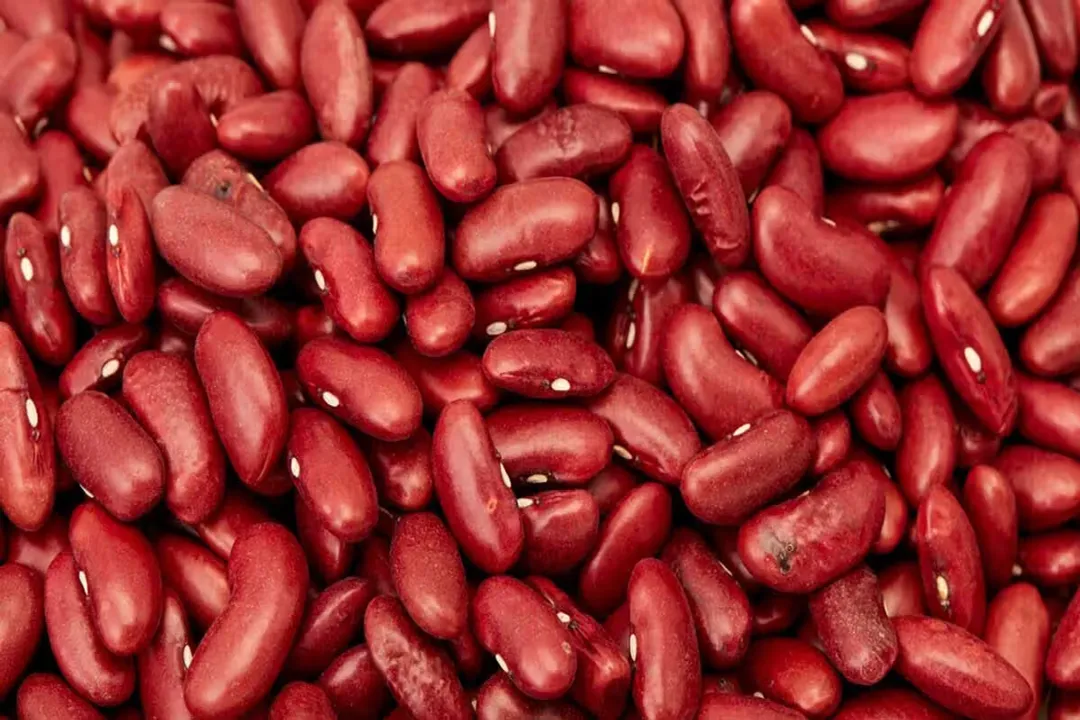
This deep red, kidney-shaped legume is a staple in cuisines worldwide, known commonly as rajma in South Asia, yet its name itself begs a primary question about which vital organ benefits most from its consumption. While the name suggests a special affinity for the body's filtering organs, the reality is that kidney beans offer a broad spectrum of support across several critical systems, largely due to their impressive density in fiber, protein, and essential micronutrients. [1][2] Looking beyond the naming convention reveals a powerhouse food that contributes significantly to overall wellness, making them far more versatile than their moniker might imply. [9]
# Filtering Organs
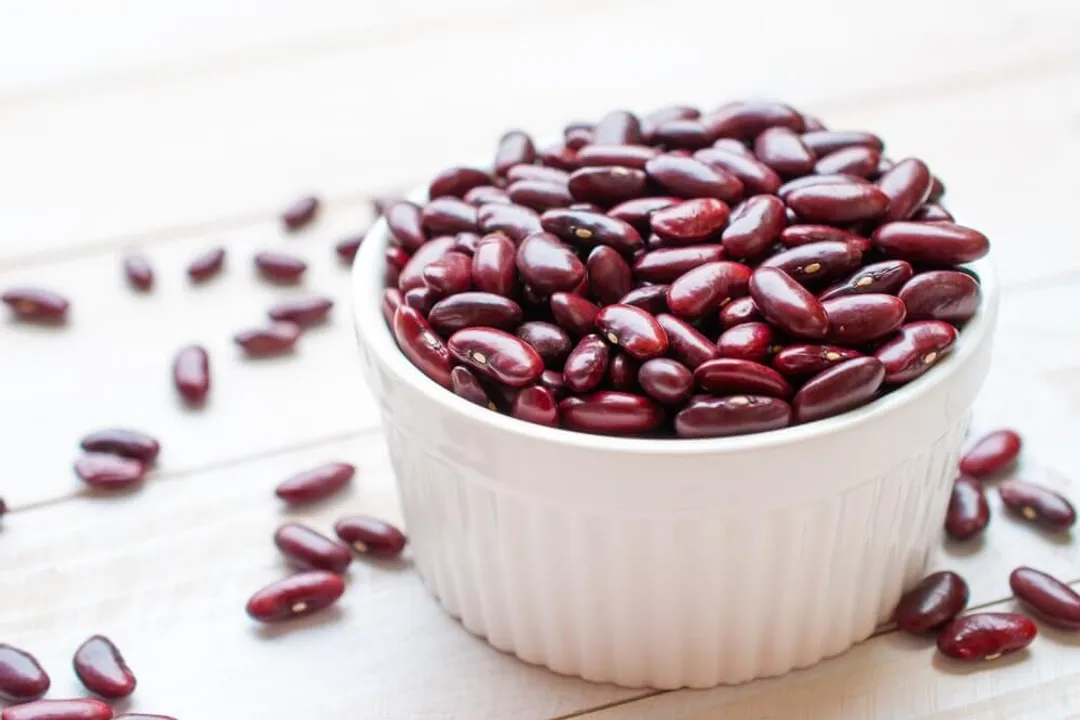
The association between kidney beans and the kidneys is not purely accidental, though it’s important to distinguish correlation from a direct, specialized mechanism. Several reputable health sources specifically point to kidney beans as being beneficial for actual kidney health. [5][8] This positive influence stems from their nutritional makeup, particularly when contrasted with foods that can sometimes stress these organs. For instance, for individuals managing existing kidney conditions, managing intake of phosphorus and potassium is often necessary. [8] While kidney beans do contain these minerals, they also offer substantial dietary fiber and antioxidants that support general circulatory and cellular health, which indirectly benefits the kidneys' demanding workload. [5] They are often cited as a healthy, nutrient-dense choice when looking for kidney-friendly foods, provided they are consumed as part of a balanced, medically guided diet. [8]
However, when considering the nutritional profile generally, the benefits for the digestive and cardiovascular systems often receive more extensive documentation across the board than specific, direct support for the renal system. [1][2][6]
# Digestive Tract Strength
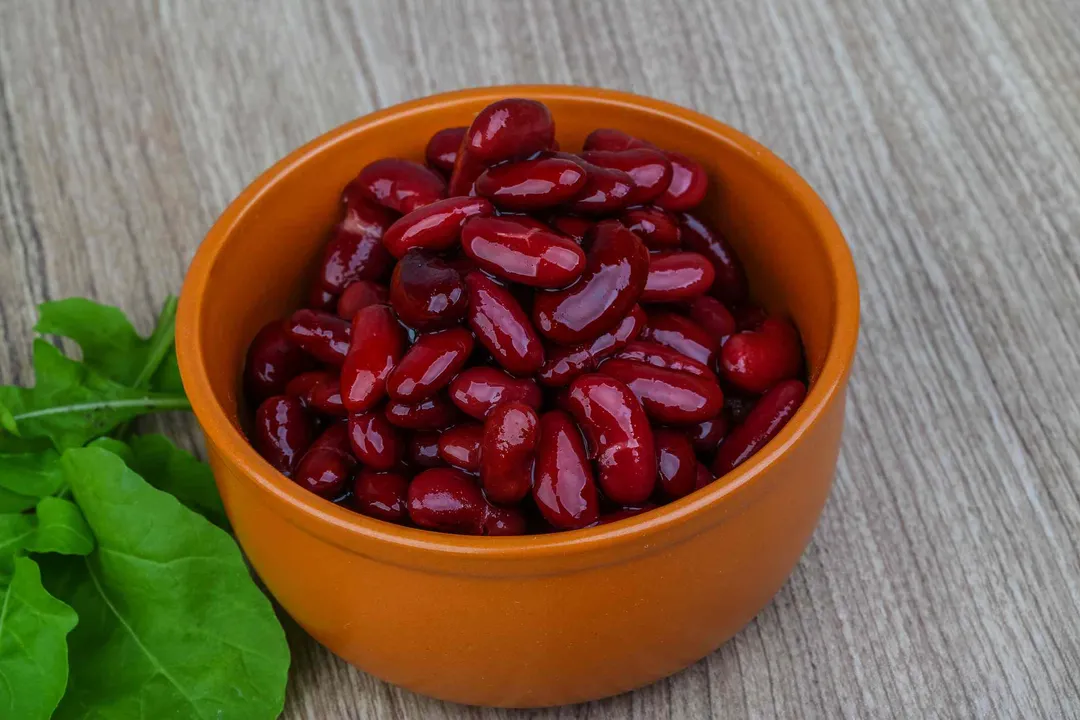
Perhaps the most undeniable contribution of kidney beans relates to the digestive tract. These legumes are exceptionally high in fiber, boasting significant amounts of both soluble and insoluble types. [1][7] A cup of cooked kidney beans can supply a substantial portion of the recommended daily fiber intake. [1]
The insoluble fiber acts like a gentle broom, adding bulk to stools and promoting regular bowel movements, which helps prevent constipation. [2][3] This regularity is key to keeping the entire digestive system functioning smoothly. [3] The soluble fiber, on the other hand, dissolves in water to form a gel-like substance in the gut. [1] This gel plays a critical role in managing blood sugar by slowing down digestion and nutrient absorption. [1][6]
Beyond simple regularity, this fiber feeds the beneficial bacteria residing in the large intestine. [4] This fermentation process by the gut microbiome produces short-chain fatty acids (SCFAs), which are vital for maintaining the integrity of the gut lining and reducing localized inflammation. [4] It’s fascinating to consider that the fiber, which passes undigested through the small intestine, becomes the primary fuel source for these crucial gut residents, directly impacting systemic health through the gut-body axis. [4] If you are new to eating beans regularly, start by incorporating just a half-cup serving a few times a week and ensure you increase water intake simultaneously; this gradual introduction, combined with hydration, minimizes potential gas or bloating often associated with sudden fiber increases. [3]

# Heart System Support
The cardiovascular system stands to gain considerable advantage from regular consumption of kidney beans, thanks to their mineral and fiber content working in tandem. [2][6]
# Blood Pressure Management
Kidney beans are a good source of potassium. [2] Potassium is a mineral known to counteract the effects of sodium by promoting its excretion through urine, which helps relax blood vessel walls and lower blood pressure. [2][6] Maintaining healthy blood pressure is essential for reducing strain on the arteries and the heart muscle itself. [6]
# Cholesterol Reduction
The soluble fiber mentioned previously performs a dual function. As it forms a gel in the digestive tract, it binds to cholesterol particles and bile acids, preventing their reabsorption into the bloodstream. [1][2] By escorting these compounds out of the body, kidney beans contribute to lower levels of LDL, or "bad," cholesterol. [2] A diet rich in legumes, which are naturally low in fat, further supports a heart-healthy profile. [1][6]
To put this into perspective using general guidelines: aiming for a diet that replaces sources of saturated fat with legumes like kidney beans can significantly alter long-term lipid panels. For example, substituting a serving of processed meat with a serving of kidney beans a few times a week effectively reduces dietary saturated fat while simultaneously increasing soluble fiber intake—a double benefit for the arteries. [9]
# Metabolic Balance
The regulation of blood sugar levels is another area where kidney beans excel, providing steady energy rather than sharp spikes, a benefit that supports the pancreas and overall metabolic health. [6]
Kidney beans possess a very low glycemic index (GI). [1] This means that the carbohydrates they contain are digested and absorbed slowly into the bloodstream, resulting in a gradual, sustained rise in blood glucose rather than a rapid surge. [1][6] This effect is largely attributable to their high fiber and protein content, which together buffer the carbohydrate load. [6]
Furthermore, kidney beans provide significant amounts of magnesium. [7] Magnesium is a mineral that plays a direct role in carbohydrate metabolism and insulin sensitivity, assisting the body in using available glucose effectively. [7] This combination of slow-releasing carbs, fiber, and magnesium makes kidney beans an excellent choice for maintaining stable energy and supporting metabolic function over time. [1][6]

# Muscle and Energy Systems
While they are plant-based, kidney beans are a remarkable source of protein. [1][7] Protein is fundamental not just for building and repairing tissues, including muscle, but also for creating enzymes and hormones throughout the body. [3]
Coupled with their protein content, kidney beans are also a good source of iron. [1][7] Iron is an essential component of hemoglobin, the molecule in red blood cells responsible for transporting oxygen from the lungs to every cell in the body. [7] Adequate iron intake is necessary to prevent fatigue and ensure that organs, including the brain and muscles, receive the oxygen required for optimal performance. [3] If one were tracking their micronutrient intake for athletic performance, realizing that a single serving can provide upwards of 15% of the daily recommended iron intake for many adults highlights their functional value as a whole food energy source. [1]
# Micronutrient Contributions
Beyond the macronutrients and fiber, kidney beans deliver several micronutrients that support various specific bodily functions.
# Bone and Nerve Function
Kidney beans contain notable levels of manganese and phosphorus. [7] Phosphorus is crucial for the structure of cell membranes and is a key component of bones and teeth. [7] Manganese is involved in bone formation and acts as a cofactor for several metabolic enzymes. [7]
# Folate Importance
They are also rich in folate (vitamin B9). [2] Folate is especially critical for cell division and the synthesis of DNA and RNA. [2] This makes adequate folate intake particularly important during periods of rapid growth or cell turnover, such as during pregnancy or in rapidly regenerating tissues. [2]
Here is a look at some of the key micronutrients found in a standard serving:
| Nutrient | Primary Role | Supporting System |
|---|---|---|
| Fiber (Soluble & Insoluble) | Gut regularity, cholesterol binding | Digestive, Cardiovascular |
| Potassium | Blood pressure regulation | Cardiovascular |
| Iron | Oxygen transport | Circulatory, Muscular |
| Magnesium | Insulin sensitivity, enzyme function | Metabolic, Skeletal |
| Folate (B9) | Cell division, DNA synthesis | Reproductive, Cellular Repair |
| Protein | Tissue repair, satiety | Muscular, Endocrine |
| [1][2][7] |
# Preparation and Safety Insights
While the nutritional profile of kidney beans is overwhelmingly positive, proper handling is crucial, which indirectly affects how well the body can absorb these benefits. Unlike many other beans, raw or undercooked kidney beans contain high levels of a toxic lectin called phytohemagglutinin (PHA). [3] Ingesting even a few undercooked beans can cause severe gastrointestinal distress, including nausea, vomiting, and diarrhea. [3]
This potential hazard underscores an important, non-nutritional action readers must take: thorough preparation. To neutralize PHA, kidney beans must be soaked properly—typically for at least five hours—and then boiled vigorously for a minimum of ten minutes before simmering until tender. [3] Canned kidney beans are pre-cooked and safe to eat right out of the can, though rinsing them can reduce excess sodium content. [4] This preparation step ensures that the consumer can safely access the wealth of fiber, protein, and minerals without risking acute illness. [3]
In essence, the question of which organ kidney beans are best for resolves into a matter of perspective. If one is concerned about the name, they are indeed considered a "kidney-friendly" choice by some health commentators, thanks to their whole-food status. [8] However, based on the volume of documented nutritional roles, they provide profound and demonstrable support for the digestive system via fiber, the cardiovascular system via minerals and soluble fiber, and the metabolic system via low-glycemic impact and magnesium content. [1][2][6] They are a truly multi-organ beneficiary when safely prepared and integrated into a balanced diet.
Related Questions
#Citations
Kidney Beans 101: Nutrition Facts and Health Benefits - Healthline
Health Benefits of Kidney Beans - WebMD
Kidney Beans (Rajma) Benefits And Its Side Effects | Lybrate
Kidney Beans | Cook for Your Life
Kidney beans are perfect for kidney health. With fiber ... - Facebook
Kidney Bean Benefits for Health You Should Know - Niva Bupa
Kidney Beans Nutrition, Benefits, Side Effects and Recipes - Dr. Axe
Kidney Friendly Food - Kidney Beans - 7Med India
Kidney Beans: Benefits, Nutrition, and Risks - Health