What organ is cabbage good for?
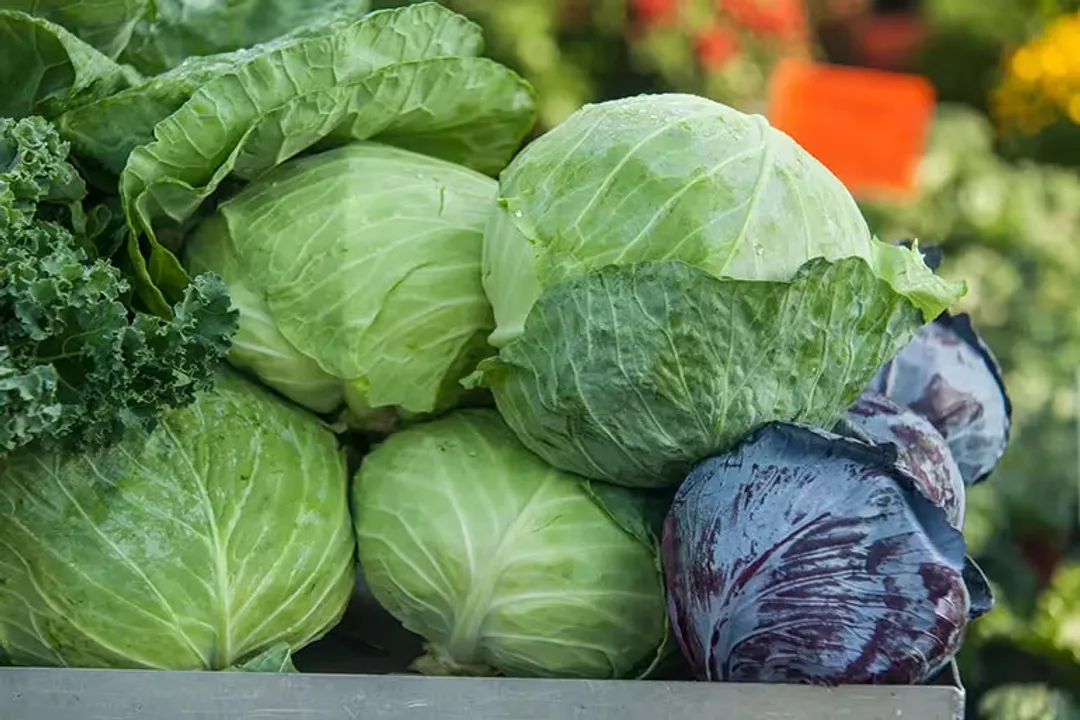
The humble head of cabbage, often found overlooked in the crisper drawer, is far more than just a filler for coleslaw or a base for soup stock; it is a dense package of compounds that offer targeted support to major human organ systems. While one might ask which single organ it benefits most, the reality is that its nutritional matrix supports several systems in tandem, from the gut lining to the cardiovascular network. This cruciferous vegetable, available in vibrant greens, purples, and whites, delivers a high concentration of vitamins, fiber, and unique sulfur-containing phytochemicals that operate across various bodily functions. [4][7]
# Digestive Support
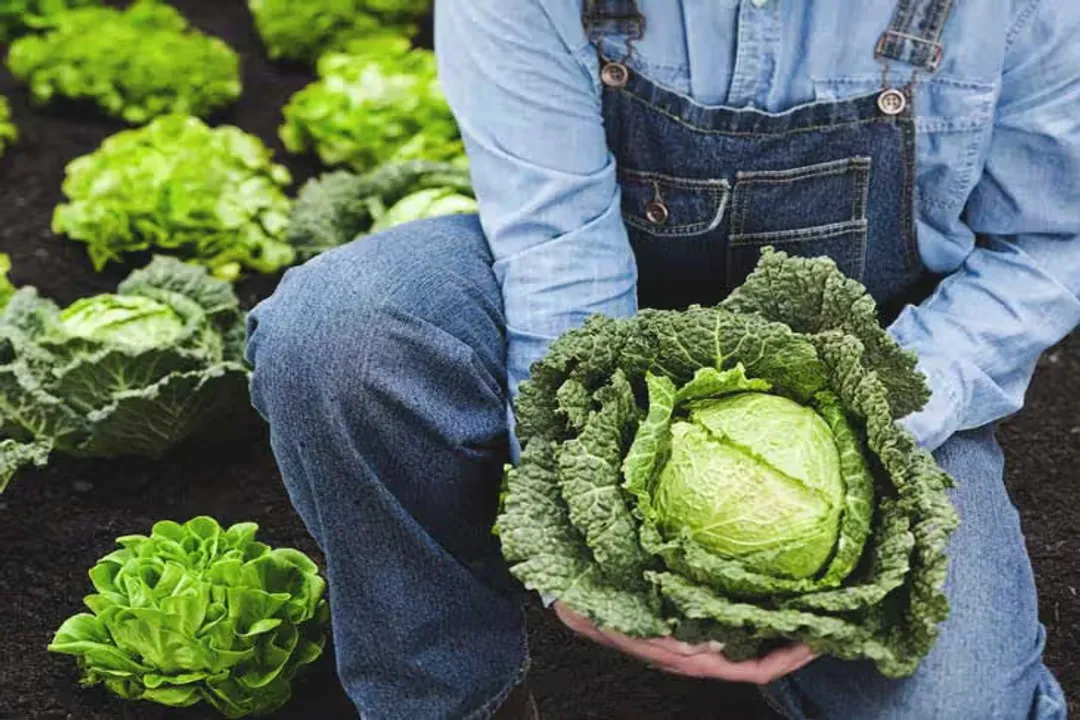
For many people, the most immediate impact of eating cabbage is felt within the digestive tract, specifically the stomach and intestines. Cabbage is notably high in dietary fiber, providing a significant portion of the daily requirement in a small serving. [4][6] This fiber exists in both soluble and insoluble forms. [4] Insoluble fiber adds necessary bulk to stools, which is fundamental for maintaining regularity and preventing constipation. [4][6] Simultaneously, the soluble fiber acts as a prebiotic, meaning it serves as the primary food source for the beneficial bacteria residing in the gut microbiome. [4][6] A flourishing population of friendly bacteria performs critical tasks, including protecting the immune system and synthesizing essential nutrients like Vitamin K2 and B12. [4] Furthermore, cabbage contains compounds that help reinforce the protective lining of both the stomach and the intestines. [8] Traditionally, even cabbage juice has been suggested to assist in the healing process for stomach ulcers, indicating a direct therapeutic application for this organ. [5][8] This collective action on gut flora and barrier integrity is why fermented cabbage products, such as sauerkraut and kimchi, are frequently celebrated for their digestive benefits, as they provide both the prebiotics from the fiber and the live probiotics from the fermentation process. [3][6]
# Cardiovascular System Health

The protective effects of cabbage extend significantly toward the heart and blood vessels, making it a cardiovascular ally. Red cabbage, in particular, contains powerful pigments called anthocyanins, which provide its deep purple hue. [3][6] These specific flavonoids are linked in numerous studies to a reduced risk of cardiovascular disease. [6] The mechanism is twofold: anthocyanins possess strong anti-inflammatory qualities, and chronic inflammation is a known contributor to heart disease progression. [3][6] Moreover, increasing dietary intake of these compounds has been associated with reductions in both high blood pressure and LDL, or "bad," cholesterol levels. [4][6]
Cabbage also supplies the essential mineral potassium. [3][7] Potassium works critically to regulate blood pressure by counteracting the effects of sodium in the body, helping the kidneys excrete excess salt via urine and relaxing the walls of blood vessels. [4] For those concerned about high cholesterol, cabbage offers a dual defense strategy through both its fiber and its phytosterols (plant sterols). [4][7] Soluble fiber binds with cholesterol in the digestive tract, preventing its absorption into the bloodstream. [4] Phytosterols are structurally similar to cholesterol, allowing them to compete for absorption in the gut, thereby effectively blocking some dietary cholesterol from entering the body. [4] This combination contributes to lowering overall LDL levels, a key factor in preventing the buildup that leads to hardened arteries. [8] The presence of B vitamins, specifically folate and Vitamin B6, also supports heart health by helping to regulate homocysteine levels, which is important for the production of healthy red blood cells. [3]
# Bone and Blood Integrity

When focusing on structural and circulatory health, cabbage demonstrates its value through its high concentration of Vitamin K. [1][3][7] Vitamin K is a fat-soluble vitamin essential for several processes, but its most recognized roles involve blood clotting and skeletal maintenance. [4] Vitamin K1, found abundantly in plant sources like cabbage, acts as a crucial cofactor for the enzymes necessary for proper blood coagulation. [4] Adequate Vitamin K ensures that the blood can clot when necessary, preventing excessive bleeding. [4] From a structural standpoint, Vitamin K is vital for maintaining strong bones and may help stave off conditions like osteoporosis. [3][7] Due to its high Vitamin K content, individuals on anticoagulant medications, such as Warfarin (Coumadin), must maintain consistent intake and discuss adjustments with their healthcare provider, as the cabbage could decrease the drug's effectiveness by promoting clotting. [5][7] The mention of iron in cabbage also points to support for the blood, as this mineral is required for the formation of healthy red blood cells. [7]
# Brain Function
The benefits of this leafy vegetable also touch upon the brain and nervous system. Cabbage is a good source of several B vitamins, including B6 and folate, which are necessary for healthy energy metabolism and the correct functioning of the nervous system. [4][7] Furthermore, the presence of choline, another nutrient found in cabbage, is recognized for its importance in supporting concentration and memory functions. [1] While these benefits are often derived from the general B-vitamin complex, ensuring adequate intake through foods like cabbage contributes to the baseline support required for optimal cognitive function. [7]

# Localized Relief and Inflammation Control
Beyond internal organ support, cabbage leaves have a long history of topical application for localized issues, often addressing inflammation in soft tissues like the mammary glands or joints. In various folk traditions, including Polish medicine, crushed cabbage leaves are a recognized remedy for reducing swelling in inflamed tissues. [6][3] For breastfeeding women experiencing breast engorgement—a painful condition characterized by hard, swollen breasts—applying chilled cabbage leaves directly to the affected area has been studied as a treatment. Some evidence suggests that whole, chilled leaves can be nearly as effective as commercial gel packs for relieving the swelling and pain associated with this temporary condition. [5][7] Similarly, the general anti-inflammatory compounds found throughout the vegetable, such as sulforaphane and kaempferol, help combat the systemic, long-term inflammation linked to chronic diseases like arthritis. [1][3] This anti-inflammatory power is key to its protective role across the body. [6]
# The Color Factor and Synergistic Action
It is worth noting the difference between the common varieties, as this impacts which systems receive the most targeted benefit. While green cabbage is widely available and provides excellent fiber and Vitamin K, red cabbage offers a distinct advantage due to its anthocyanin content, which is beneficial for the heart and inflammation management. [1][3] A cup of red cabbage packs a significantly higher punch of Vitamin C than its green counterpart. [4] However, the combination of both types over time offers a broader spectrum of protective phytochemicals.
A deeper dive into the anti-cancer potential reveals compounds like glucosinolates. [3][5] When cabbage is chopped or chewed—whether raw or cooked—these sulfur-containing chemicals are released and break down into active compounds like isothiocyanates and sulforaphane. [6] These derivatives are what have shown potential protective effects against certain cancers in laboratory and animal models, including those affecting the breast, colon, and prostate. [5][7]
One useful observation for maximizing nutritional impact relates to preparation. Raw cabbage delivers the highest concentration of heat-sensitive nutrients like Vitamin C, making shredded raw salads potent sources of antioxidants. [2][5] Conversely, consuming cabbage cooked or fermented, while potentially reducing some heat-sensitive vitamins, can improve digestibility for those with sensitive guts or conditions like SIBO, which can react poorly to the high fiber and sulfur compounds in raw cruciferous vegetables. [6] Therefore, an effective strategy involves balancing preparation methods: enjoy raw slaw for an immediate immune and antioxidant boost, and incorporate steamed or fermented cabbage to soothe the gut lining and support the microbiome without the digestive distress. [6]
# Vision Protection
Finally, the eyes also receive support from cabbage consumption. It serves as a natural source of specific carotenoids, namely lutein and zeaxanthin. [6] These compounds are specifically noted in research for their role in reducing the risk of macular degeneration, a common age-related vision condition. [6] Cabbage also contains beta-carotene, another carotenoid that supports healthy vision as one ages. [6][8]
In summary, cabbage is not directed toward one isolated organ but acts as a multi-system regulator. It fortifies the digestive system with fiber and prebiotics, supports the cardiovascular system via potassium and anthocyanins, maintains the integrity of bones and blood through Vitamin K, aids brain health via B vitamins, and even offers topical relief for localized mammary swelling. By incorporating the diverse varieties and preparation methods of cabbage, one ensures a wide spectrum of these beneficial components reach their intended targets throughout the body. [1][2][4]
Related Questions
#Citations
9 Impressive Health Benefits of Cabbage - Healthline
Benefits of Cabbage - WebMD
8 Health Benefits of Cabbage - Cleveland Clinic Health Essentials
8 ways cabbage is good for you. - YouTube
Cabbage: Health Benefits, Side Effects, Uses, Dose & Precautions
What Happens to Your Body When You Eat Cabbage Regularly
[PDF] Health Benefits of Cabbage
What Happens to Your Body When You Eat Cabbage Regularly