What organ is eggplant good for?

Eggplant, that beautifully shaded fruit often masquerading as a vegetable, offers a surprising array of benefits that support nearly every major system in the human body, making it far more than just a spongy vehicle for oil and cheese. Though it might seem like a simple addition to your weekly produce haul, its deep purple skin holds potent compounds that act as cellular defenders, while its composition supports everything from the heart's rhythm to the gut's movement. While we commonly think of specific organs—the liver, the heart, the brain—as the recipients of these nutritional gifts, eggplant actually provides systemic support through its unique micronutrient and antioxidant profile. [4][6] Originating perhaps in South Asia or Africa over four millennia ago, this member of the nightshade family, which also claims tomatoes and potatoes as relatives, has evolved from being viewed suspiciously in the Middle Ages to becoming a culinary favorite globally, known by names like aubergine or brinjal depending on where you are in the world. [2][5]
# Cellular Defense System
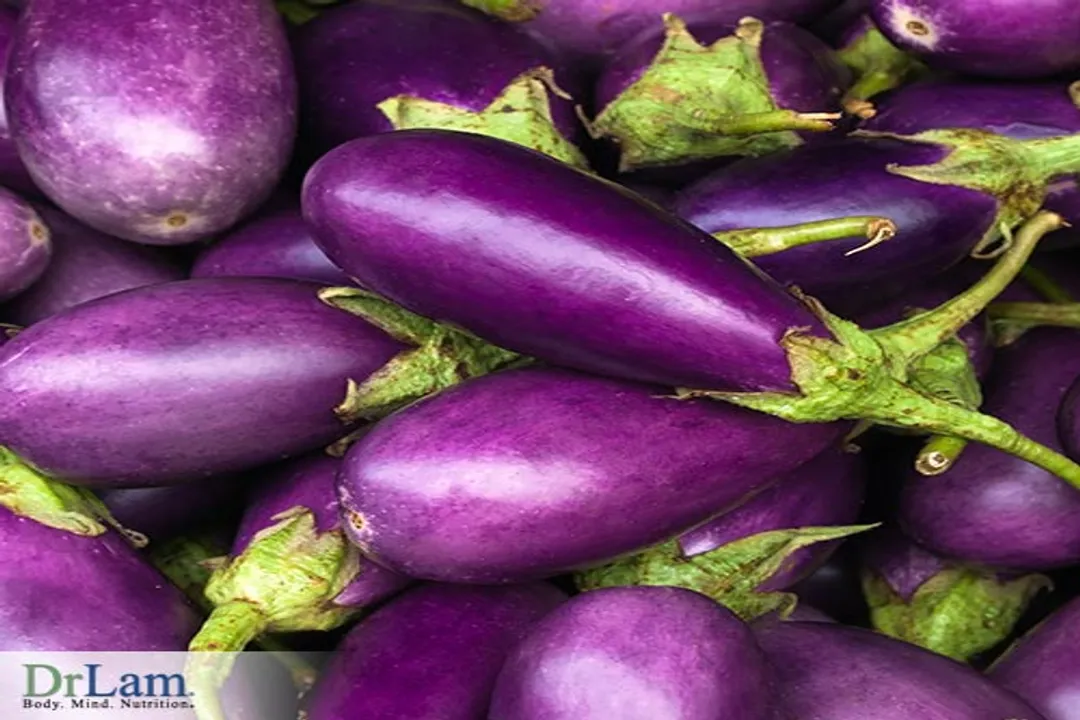
The most immediate and far-reaching impact of consuming eggplant relates to its remarkable antioxidant content, which directly benefits the health of every cell lining and structure within the body. [4] These antioxidants are crucial for protecting the body’s cells from being damaged by unstable molecules called free radicals, which contribute to oxidative stress and drive disease development. [2][6]
The vibrant, deep purple hue of the most common varieties is actually a visible indicator of its key protective components: anthocyanins. [2][4] Specifically, an anthocyanin called nasunin is present and has been shown in studies to offer protection against the oxidative damage that accompanies aging. [4] Nasunin’s influence is not just broad-spectrum; it appears to specifically safeguard the fat layer of cell membranes, helping to maintain their structural integrity and prevent cell death or potential DNA mutation. [6] Furthermore, eggplant contains other beneficial plant compounds, including polyphenols and various phenolic acids. [4][6] One such acid, chlorogenic acid, is noted for its ability to combat free radicals that might lead to tumor growth. [6]
# Brain Function
This powerful antioxidant activity extends critically to the brain. Eggplants are a source of nasunin, which is recognized for reducing inflammation within the brain tissue. [8] Beyond reducing inflammation, nasunin’s protective action on cell membranes is relevant to cognitive health, as it helps maintain the structural basis for nerve cells to communicate effectively across synapses. By reducing oxidative stress and inflammation, compounds in eggplant may offer protection against neurodegenerative disorders, such as Alzheimer’s disease, which is the most common form of dementia. [8] This connection highlights the eggplant’s role in supporting the central nervous system by maintaining the resilience of its delicate cell structures. [6][8]
# Cardiovascular System Support

The wellness benefits of eggplant significantly target the heart and blood vessels, which rely heavily on balanced pressure and healthy lipid profiles to function optimally. [6]
The same anthocyanins that shield cells elsewhere also appear to play a role in heart health by helping to reduce inflammatory markers that elevate the risk of heart disease, according to some research. [4] A more direct mechanism involves blood pressure regulation. Nasunin is linked to the dilation of blood vessels by activating nitric oxide, a pathway that is further enhanced by chlorogenic acid also found in the skin. Additionally, some compounds in the pulp of eggplants, even the white varieties, exhibit activity similar to ACE inhibitors—enzymes central to blood pressure management—offering another route to stress reduction on the heart.
Maintaining healthy cholesterol levels is another cornerstone of cardiovascular wellness, and eggplant contributes here as well. Some animal studies suggest that dietary eggplant can lead to a reduction in LDL cholesterol (the so-called "bad" cholesterol) while simultaneously encouraging the uptake of HDL cholesterol ("good" cholesterol"). [6] High levels of LDL are implicated in atherosclerosis, the hardening of the arteries that increases the risk of strokes and heart attacks. [6] Furthermore, the presence of potassium, an essential electrolyte, supports proper heart rhythm, muscle contraction, and nerve signaling throughout the body. [5][8]

# Digestive Tract Health

When considering the gastrointestinal tract, eggplant excels due to its high content of both fiber and water. [2][6] A single cup of cooked eggplant can supply between 2 to 3 grams of dietary fiber. [2] Fiber is foundational for digestive regularity, aiding in smooth bowel movements and contributing to overall gut health. [2][7] For individuals experiencing constipation, which can be a side effect of certain medications, ensuring adequate fiber intake from foods like eggplant can be a simple, proactive step toward maintaining regularity. [7] The fiber works by passing through the digestive system relatively intact, adding necessary bulk to stools. [4]
Beyond fiber, the eggplant’s high water content—often exceeding 90 percent—is vital for keeping the digestive tract adequately hydrated. [6] This hydration is necessary for the efficient elimination of waste and toxins through the intestines. [6] This combination of water and fiber makes eggplant a beneficial inclusion in specialized eating plans, such as the GAPS diet, which aims to correct digestive issues and reduce inflammation. [6] If you are focusing on weight management, this high water and fiber content works synergistically to promote feelings of fullness and satiety, which can naturally reduce overall calorie consumption throughout the day. [4][8]
An important consideration for those closely monitoring kidney function is that eggplant, like many plants, contains oxalates. [8] While the amounts may not be excessively high compared to other vegetables, individuals with a history of calcium oxalate kidney stones might choose to moderate their intake or employ specific cooking methods, such as boiling, which can help reduce oxalate levels in the final dish.
# Metabolic and Endocrine Balance
The eggplant’s profile also offers advantages for maintaining metabolic equilibrium, influencing how the body manages sugar and weight, thus providing support to the pancreas and metabolic processes. [4][6]
The presence of substantial fiber helps in controlling blood sugar. Fiber slows down the rate at which sugar is digested and absorbed into the bloodstream, which prevents rapid spikes and subsequent crashes in blood sugar levels. [4][8] Additionally, research suggests that polyphenols found in eggplant might reduce sugar absorption while potentially increasing the body’s secretion of insulin, mechanisms that contribute to lower overall blood sugar. [4] Because of these factors, eggplant aligns well with dietary guidelines for managing Type 2 Diabetes, which emphasize high-fiber whole grains and vegetables. [4]
The mineral manganese is also present, contributing about 5 to 10 percent of the daily requirement in a single cup serving. [2][6][8] Manganese is critical for metabolic activity, plays a role in carbohydrate, cholesterol, and glucose breakdown, and is necessary for the enzyme reactions that drive metabolism. [6][8] Furthermore, it supports optimal thyroid gland function, a key component of metabolic regulation. [6]

# Liver Function and Detoxification
The body’s primary processing center, the liver, benefits notably from eggplant's unique compounds, particularly in the realm of detoxification. [6] As a natural chelator, the antioxidant nasunin can bind to harmful heavy metal agents such as mercury, arsenic, and lead, effectively neutralizing them so they can be transported out of the body. [6] This chelating action is beneficial because heavy metal accumulation is a significant source of dangerous free radicals that can overburden the liver and exacerbate stress responses. [6] Furthermore, laboratory investigations have indicated that eggplant can activate certain enzymes within the body that specifically assist in detoxifying and removing drugs and other toxic chemical substances. [6]
It is worth noting that while iron is vital for immune health and oxygen transport, too much iron—iron overload—is detrimental, increasing free radicals and potentially raising the risk for heart disease and cancer. By binding excess iron, nasunin in eggplant helps the body maintain a crucial balance of this essential mineral [6].
# Bone and Blood Support
Eggplant's nutritional composition offers specific advantages for the skeletal system and the hematopoietic system (blood formation).
For bone health, manganese is a co-factor in mineralization processes. [6] It is necessary for the proper utilization of calcium, and it aids in the creation of important enzymes required to build stronger bone structures. [6]
In terms of blood quality, eggplant contains both iron and copper. [6] Iron deficiency can lead to anemia, presenting symptoms like persistent fatigue, headaches, and general weakness. [6] Copper is necessary for red blood cell production, and without both minerals, hemoglobin counts can suffer. [6] Additionally, Vitamin B6, found in eggplant, is involved in metabolism and plays a role in the body's ability to produce antibodies, which are critical cells for a functioning immune system. [2]

# Cautions and Culinary Considerations
While the systemic benefits are numerous, a balanced view requires acknowledging potential drawbacks and selecting the produce wisely. [5][8] Because eggplant is a nightshade, some individuals with inflammatory conditions like arthritis report flare-ups upon consumption, often attributed anecdotally to alkaloids like solanine, although solid, controlled evidence confirming this link is currently lacking. [5][8] If a personal negative reaction occurs, avoidance is the sensible course. [5]
# Selection and Preparation Tips
Selecting the best eggplant involves more than just picking the biggest one. Smaller eggplants generally possess fewer seeds and, consequently, a less bitter taste. [3][6] You are looking for a specimen with skin that is shiny, smooth, and firm, that yields just slightly when squeezed, and has a green stem, signaling freshness. [3][7] Avoid anything wrinkled, which indicates dehydration. [3][7]
The preparation method significantly dictates the final nutritional contribution, especially regarding fat and calories. [5] Eggplant’s spongy texture readily absorbs liquids, meaning frying dramatically increases caloric density. [5] To maximize the benefits, especially fiber retention, grilling, baking, or roasting are preferred methods. [3][6][7]
A practical method to manage flavor before cooking is to address the bitterness directly. The indentation at the base, often called the "belly button," can give a clue to the internal seed count and bitterness level. When purchasing the common Globe variety, observing which ones have the shallowest indentations can pre-select for a milder flavor profile, potentially reducing the need for extensive pre-treatment.
To draw out moisture and reduce the inherent bitterness—a process that also helps the flesh absorb less oil during subsequent cooking—sprinkling the cut pieces liberally with salt and letting them rest for about 30 minutes is a traditional technique. [2][5] After resting, the salt must be thoroughly rinsed away before cooking. [2][5] To achieve maximum crispness when roasting or baking, switching the oven to the broil setting briefly at the end can give the surface a pleasing golden-brown crunch. [2]
Given that eggplant is over 90% water, its fiber density per raw weight is relatively low compared to denser vegetables. For readers focused on maximizing fiber intake per meal portion without adding excessive liquid, preparing eggplant by roasting or baking until much of the internal moisture has evaporated concentrates the existing fiber and nutrients, making it a more nutrient-dense component in a grain bowl or salad topping compared to a boiled preparation.
In short, eggplant is a powerful addition to diets aimed at heart health, blood sugar management, and cellular longevity due to its rich array of antioxidants, minerals like manganese and potassium, and its significant fiber contribution. [2][4][6]
Related Questions
#Citations
Eggplant Nutrition and Health Benefits - Healthline
Eggplant: Nutrition, Benefits, Risks, Preparation & Storage - WebMD
Eggplant - UNL Food - University of Nebraska–Lincoln
7 Health Benefits You May Experience When You Eat Eggplant ...
Food Facts Friday: The Incredible Eggplant - DaVita Kidney Care
Top 10 Eggplant Benefits You Didn't Know - Lam Clinic
The Power of Purple: Why Eggplant Deserves a Spot on Your Plate
Top 5 health benefits of aubergines - BBC Good Food