What organ is carrot good for?
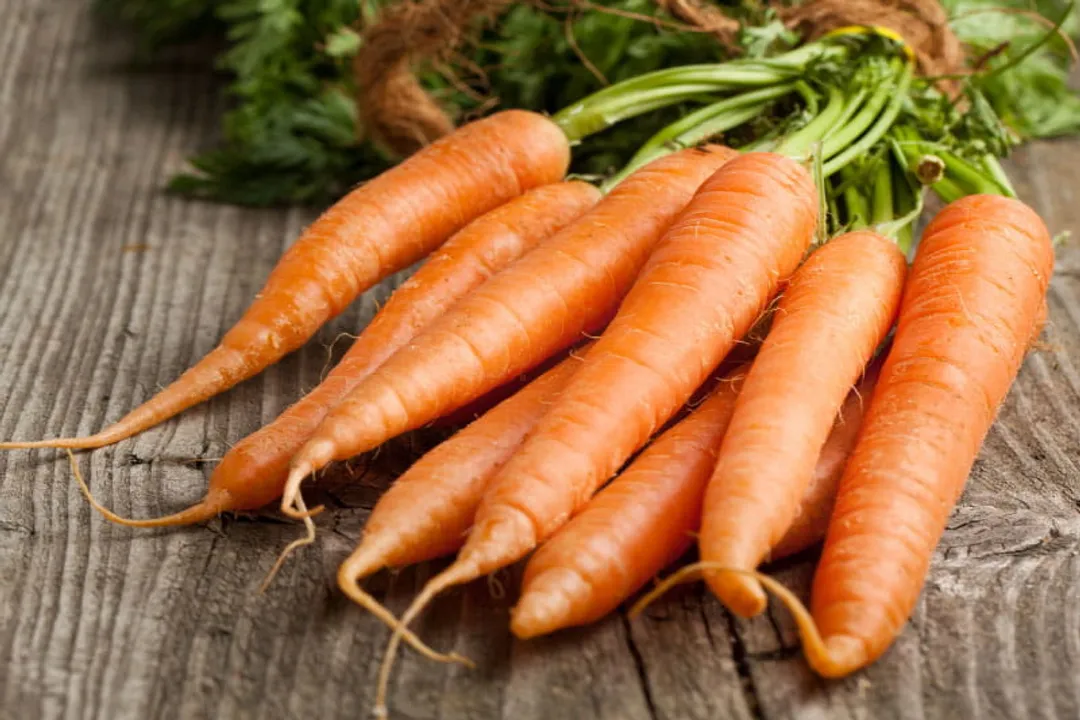
The humble carrot, with its vibrant orange hue and satisfying crunch, has long held a special place in both the kitchen and the realm of folk wisdom, often linked visually to the very organ it supports. This deep-rooted connection is more than just a trick of resemblance; it points toward genuine nutritional value, particularly concerning our vision. [1] However, confining the benefits of this root vegetable to just the eyes does a disservice to its broad spectrum of support for the human body. From strengthening the cardiovascular system to promoting healthy digestion, the carrot is a powerhouse of vitamins, minerals, and antioxidants that warrant a closer look.
# Vision Support

It is perhaps the most famous association: the idea that carrots are inherently good for your eyes. [1] This connection stems from the impressive concentration of beta-carotene found in orange carrots. The body converts this powerful carotenoid into Vitamin A. [2][4][6] Vitamin A is absolutely essential for maintaining good sight, especially in low-light conditions. [4] A severe lack of this vitamin can lead to a condition called night blindness. [4] Beyond just Vitamin A, carrots also supply other beneficial compounds like lutein and zeaxanthin, which accumulate in the retina and help protect the eyes from damage caused by blue light and oxidative stress. [2]
This relationship between appearance and function is a recurring theme in dietary folklore, though the efficacy of carrots in preventing perfect vision is perhaps overstated, their role in maintaining healthy vision is scientifically solid. [1] When considering how much to eat, it is worth noting that the body's conversion rate of beta-carotene to usable Vitamin A can vary quite a bit from person to person based on genetics and overall diet. [5] Therefore, consistent, moderate consumption of these brightly colored vegetables is a more reliable strategy than trying to consume a single massive dose.
# Nutrient Profile
Peeling back the skin reveals a dense package of essential nutrients. Carrots are celebrated for being an excellent source of Vitamin A precursors, [4] but their nutritional profile extends much further. They provide a notable amount of Vitamin K1, which is important for blood clotting and bone health. [4][6] Furthermore, they are a decent source of potassium, a mineral vital for fluid balance and blood pressure regulation, [4] and Vitamin B6, which plays a role in energy metabolism. [4]
The presence of various antioxidants, including the various carotenoids, gives carrots their color and their cell-protective capabilities. [4][6] These compounds help neutralize harmful free radicals in the body, which are linked to chronic diseases and aging processes. [6]

# Heart System
The benefits carrots offer for cardiovascular wellness are often attributed to two key components: fiber and potassium. [2][7] The fiber content found within carrots is particularly helpful because it can assist in managing cholesterol levels. [2][7] By binding to cholesterol in the digestive tract, fiber helps the body excrete it, potentially lowering harmful LDL cholesterol over time. [7]
Potassium works on the circulatory side of things. It acts as a vasodilator, helping to relax blood vessels and counteract the negative effects of sodium, thereby supporting healthy blood pressure management. [2][7] A diet regularly featuring potassium-rich foods like carrots contributes to maintaining a more stable and less strained cardiovascular system. [7]
If you are looking to maximize these benefits, consider that cooking methods can affect nutrient availability. While some water-soluble vitamins might leach out slightly when boiling, the heat actually makes the beta-carotene more bioavailable for absorption, provided you consume it with a source of fat, since it is a fat-soluble vitamin. For instance, pairing a serving of steamed carrots with a drizzle of olive oil or a small amount of avocado makes the Vitamin A conversion process much more efficient for your body than eating the carrots completely plain and raw. [2] This interplay between cooking, fat intake, and nutrient uptake is a great example of how simple food combinations can tailor nutrition to specific health goals.
# Gut Function
For digestive regularity, fiber is king, and carrots deliver handsomely. [4] Both soluble and insoluble fiber types are present in carrots, making them excellent allies for a well-functioning digestive tract. [6] Insoluble fiber adds bulk to stool, promoting regular bowel movements and helping to prevent constipation. [4] Soluble fiber, on the other hand, dissolves in water to form a gel-like substance, which can help slow digestion slightly and feed beneficial gut bacteria. [6] A healthy gut flora, supported by regular intake of fibrous vegetables, is increasingly recognized as important not just for digestion, but for overall mood and immunity. [6]

# Color Matters
While the classic orange carrot gets most of the attention due to its high beta-carotene levels, it is important to recognize that carrots grow in a beautiful spectrum of colors, each with slightly different advantages. [5]
| Carrot Color | Primary Notable Nutrient/Compound | Associated Benefit |
|---|---|---|
| Orange | Beta-Carotene (Pro-Vitamin A) | Vision, Antioxidant Support [5] |
| Purple | Anthocyanins | Potent Antioxidant, potentially different anti-inflammatory profiles [5] |
| Yellow | Lutein | Eye Health (Macular protection) [5] |
| Red | Lycopene | Antioxidant similar to that found in tomatoes [5] |
This diversity means that when you buy a bag of rainbow carrots, you are not just getting visual variety; you are diversifying the specific protective phytochemicals your body receives. [5] A purple carrot, for example, contains anthocyanins, which are powerful antioxidants not heavily present in its orange counterpart. [5] This natural variation means that rotating your vegetable choices is a simple yet effective way to ensure you are hitting a wider range of micronutrients.
# Oral Care
The simple act of crunching on a raw carrot offers more than just a satisfying snack; it provides a mild form of mechanical cleaning for the mouth. [3] As you chew, the fibrous texture acts like a natural toothbrush, helping to scrape away some surface debris from your teeth. [3] More importantly, the vigorous chewing action stimulates saliva production. [3] Saliva is your body’s natural defense against tooth decay, as it helps to neutralize acids produced by plaque bacteria and washes away food particles. [3] While carrots are certainly no substitute for regular brushing and flossing, they serve as a fantastic, natural aid between cleanings.

# Skin and Immunity
The systemic benefits derived from carrots' antioxidant load extend to the skin and the immune system. [6] The high Vitamin A content derived from beta-carotene is often touted for its role in skin health, helping to maintain tissue integrity and promoting a healthy glow. [6] While topical application gets a lot of press, internal nourishment from dietary sources supports the skin from the inside out. [6]
For the immune system, the combination of Vitamin A, which is critical for the proper function of immune cells, and the general anti-inflammatory effects of carotenoids supports the body’s defenses. [6] Think of these compounds as helping to keep the internal environment balanced and ready to respond to challenges.
# Weight Management
For those focused on maintaining a healthy weight, carrots present an ideal food choice. [4] They are naturally low in calories while being high in water content and dietary fiber. [4][6] This combination contributes significantly to satiety—the feeling of being full. [4] Consuming foods that are both nutrient-dense and filling, without adding excessive calories, is a fundamental strategy for managing energy intake throughout the day. [6]
In practical terms, swapping out a high-calorie, low-nutrient snack for a cup of carrot sticks means you are filling up on essential vitamins and fiber, which can naturally lead to consuming fewer calories overall without feeling deprived. [4] This is a quiet but powerful way the carrot aids in long-term health maintenance, supporting a positive energy balance through volume and nutrition rather than restriction alone.
# Preparation Nuances
The final appreciation of the carrot's health advantages often comes down to how it is prepared and consumed. While raw carrots offer superior dental benefits and preserve all water-soluble vitamins, cooking them can unlock other benefits. [2] For example, some studies suggest that lightly steaming or sautéing carrots can increase the amount of accessible carotenoids compared to eating them raw. [2] The key takeaway isn't to avoid one method entirely, but to vary your intake: enjoy raw sticks for snacking and salads, and incorporate cooked carrots into soups, stews, or roasted side dishes to ensure a wider array of nutrient availability across your week. This balanced approach respects the distinct advantages of different preparation styles.[2]
#Videos
Mayo Clinic Minute: Why you should pick carrots for good health
Related Questions
#Citations
10 Foods That Look Like the Body Parts They're Good For
Carrots: Nutrition, Benefits, Risks, & Preparation
10 Foods and What Body Part They're Good For ...
Carrots 101: Nutrition Facts and Health Benefits
Are Carrots Good for You? 7 Benefits
7 Health Benefits of Carrots You Should Know
What's up with carrots? Let's root out the truth
Mayo Clinic Minute: Why you should pick carrots for good health
7 Reasons Why You Need to Include Carrots in Your Daily ...