What is best for female dryness?

Vaginal dryness is a common occurrence that can range from a minor annoyance to a significant disruptor of comfort and sexual health. [1][4] It happens when the body doesn't produce enough natural lubrication in the vagina, often leading to itching, burning, soreness, or painful intercourse, medically known as dyspareunia. [1][2] Understanding the best approach for relief requires looking past simple lubrication and examining the underlying physical changes causing the dryness. [7]
# Root Causes

The most frequent driver behind vaginal dryness is a reduction in the hormone estrogen. [7] Estrogen is responsible for maintaining the thickness, elasticity, and moisture of the vaginal walls. [3] When estrogen levels drop, the vaginal lining becomes thinner, drier, and less able to protect itself, a condition sometimes called vaginal atrophy. [3] This drop is most commonly associated with menopause, typically occurring around age 51, but it can happen at any life stage. [7][4]
However, low estrogen isn't the only culprit. Other significant factors contribute to dryness:
- Breastfeeding and Hormonal Birth Control: Both periods of time often involve lower circulating estrogen levels, leading to temporary dryness. [1]
- Medical Treatments: Certain cancer therapies, particularly radiation or chemotherapy that affects hormone production, are known causes. [6] Anti-estrogen medications used to treat breast cancer also induce dryness. [1]
- Underlying Conditions: Autoimmune diseases like Sjögren’s syndrome specifically target the body's moisture-producing glands, causing dryness internally and externally, including vaginal tissues. [8]
- Irritants and Lifestyle: Sometimes the issue is external or behavioral; harsh soaps, douches, or certain spermicides can cause irritation and dryness. [4][5] Even high levels of stress can temporarily impact hormone balance and lubrication. [4]
It is helpful to categorize the cause, as treatments differ significantly based on whether the dryness is due to a temporary environmental factor, a physiological state like post-childbirth, or a chronic condition like atrophy linked to aging. [10]
# OTC Relief
For many women experiencing intermittent or mild dryness, over-the-counter (OTC) products offer immediate and accessible help. [2] These fall into two main categories: lubricants and moisturizers, and it is important to know the difference before purchasing. [2]
# Lubricants Versus Moisturizers
Lubricants are designed for immediate use, typically right before sexual activity. [2] They reduce friction during intimacy, making the experience more comfortable. [2] They are generally water-based, silicone-based, or oil-based, and their effect is temporary. [2][5]
Vaginal Moisturizers, on the other hand, are intended for regular application, often every two to three days, to maintain moisture levels consistently throughout the week, regardless of sexual activity. [2] They aim to restore hydration to the vaginal tissues over time. [1]
When choosing an OTC product, reading the ingredient list is as vital as checking the product's intended use. [1] Some moisturizing products contain ingredients like glycerin. [1] While glycerin is an excellent humectant (it draws moisture in), it is a sugar alcohol. For some women, daily application of a glycerin-heavy product can inadvertently feed yeast or bacteria, leading to irritation or infection. [1] If you notice increased burning or discharge after using a daily moisturizer, consider switching to a long-lasting, non-glycerinated option designed specifically for sensitive vaginal pH. [10]

# Hormone Options
When dryness is due to estrogen deficiency—which is the case for most postmenopausal women—hormonal treatments often prove the most effective and targeted solution. [3]
# Localized Estrogen Therapy
The gold standard for treating dryness related to low estrogen is localized vaginal estrogen therapy. [3] This treatment delivers estrogen directly to the vaginal and vulvar tissues via a cream, a soft ring inserted into the vagina, or a small tablet. [3][2] Because the dose is small and primarily acts locally, the systemic absorption into the bloodstream is minimal, which is a significant advantage over older, systemic hormone replacement therapy (HRT). [3] This localized approach can effectively reverse the thinning and dryness associated with atrophy, restoring elasticity and natural lubrication. [3] Physicians often recommend this path because it targets the specific tissue lacking estrogen without increasing systemic hormone levels significantly. [7]
# Non-Estrogen Prescription Medicine
For women who cannot use estrogen due to certain medical histories, there are prescription alternatives. [3] One example is Ospemifene, which is a selective estrogen receptor modulator (SERM) taken orally. [3] This medication works by mimicking estrogen's beneficial effects on the vaginal tissue without impacting other parts of the body in the same way systemic HRT does. [3] Discussing these prescription routes with a healthcare provider is essential for determining suitability. [3]
# Natural Support
Many women seek remedies outside of pharmaceutical options first, and several natural approaches are commonly suggested for dryness. [5]
- Oils: Certain natural oils, such as Vitamin E oil or coconut oil, are sometimes used as topical moisturizers. [5][9] These can provide a protective barrier and immediate slickness. [5]
- Supplements: Some sources suggest that maintaining adequate levels of Vitamin D may play a role in overall vaginal health. [5]
While these options may provide comfort, their effectiveness and safety profile differ from medical treatments. [10] For instance, while some plant oils feel soothing, they do not restore the actual thickness or health of the vaginal lining as estrogen therapy does. [10] Furthermore, be cautious about the long-term use of any oil-based product inside the vagina, particularly if you use barrier methods for contraception. [5] Oil-based lubricants are known to degrade latex condoms and diaphragms over time, compromising their effectiveness as birth control. [5] If you rely on latex condoms, always opt for water-based or silicone-based lubricants to maintain contraceptive security. [5]

# Doctor Visits
Knowing when to move beyond self-care and seek professional medical advice is key to effective management. [7] If dryness persists despite trying OTC moisturizers, or if it is accompanied by pain during sex that leads to avoidance of intimacy, it is time to consult a gynecologist or healthcare professional. [7][4]
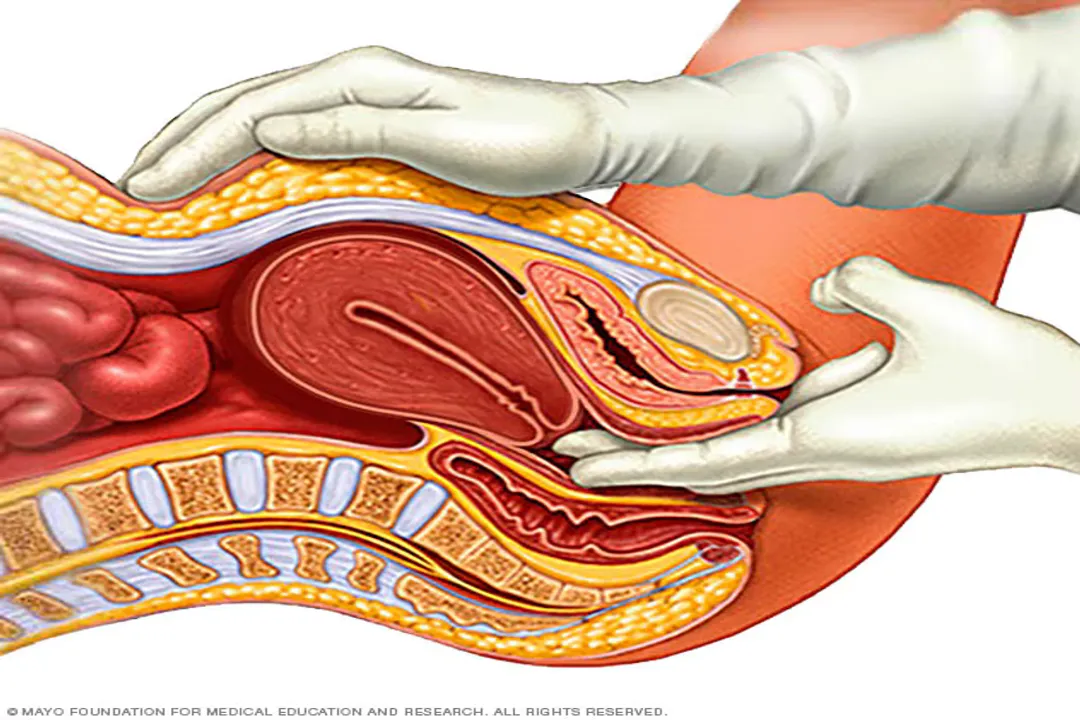
A physician will typically conduct an examination to assess the vaginal walls for signs of atrophy, such as paleness, fragility, and a lack of rugae (the normal folds in the tissue). [3] They may also check urinary symptoms, as dryness and atrophy often coexist with increased urgency or frequency of urination. [1][7]
When consulting a doctor, be prepared to discuss:
- When the dryness started.
- All medications you currently take, including OTC supplements.
- If you have any history of cancer or other conditions affecting hormone levels. [1][6]
- How the issue is impacting your quality of life and relationships. [7]
Accurate diagnosis ensures that the treatment prescribed—whether it's a targeted estrogen cream, a non-hormonal pill, or simply switching to a better-formulated lubricant—is addressing the actual physiological cause, leading to the best possible outcome for comfort and long-term vaginal health. [10]
Related Questions
#Citations
Vaginal Dryness: Causes, Symptoms & Treatment - Cleveland Clinic
Vaginal Dryness: Causes and Moisturizing Treatments - WebMD
Vaginal atrophy - Diagnosis & treatment - Mayo Clinic
Vaginal Dryness: Natural Remedies, Lubricants, & Treatments
Vaginal Dryness: Natural Remedies to Help - Healthline
Improving Your Vulvovaginal Health
Experiencing Vaginal Dryness? Here's What You Need to Know.
Management of Gynecologic Problems
Natural Remedies for Vaginal Dryness - INTEGRIS Health
Patient education: Vaginal dryness (Beyond the Basics) - UpToDate