What is the healthiest bean you can eat?
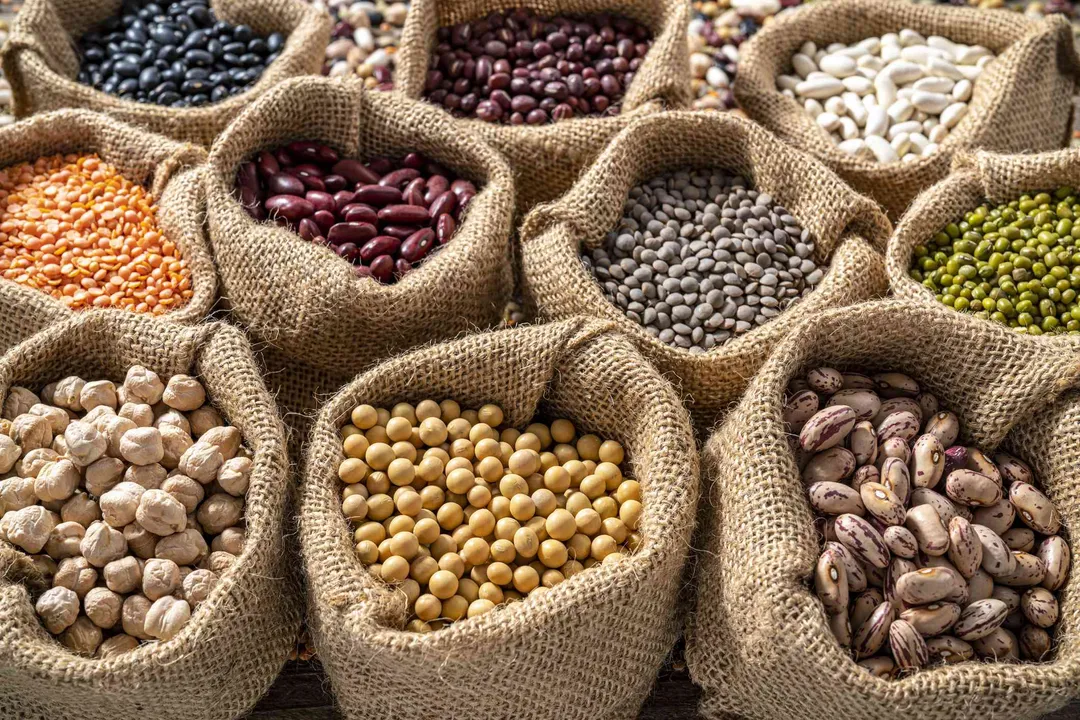
The simple dried bean, often tucked away in a pantry shelf or lurking quietly in a can, might be the most underrated nutritional powerhouse available in the kitchen today. These small, seed-like legumes punch far above their weight when it comes to delivering essential nutrients that support long-term wellness. Moving past the idea of a single "healthiest" bean—which often depends on what specific nutrient you are prioritizing—it's more useful to look at the collective benefits and the standout contenders within the vast family of beans and pulses. [2][3][7]
# Power Source
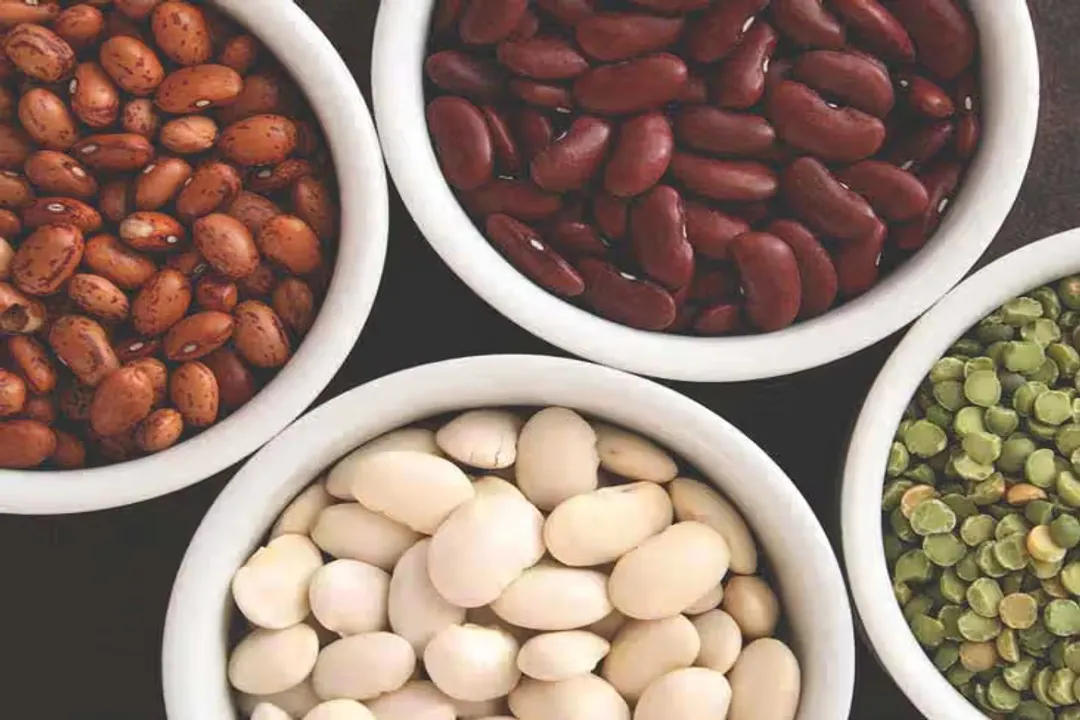
Beans, collectively speaking, are foundational to a healthy diet because they serve as an excellent source of plant-based protein and dietary fiber, while naturally being very low in fat. [5][7][10] For many people, especially those reducing meat consumption, beans seamlessly step in to fill the protein requirement slot in daily intake recommendations, as noted by guidelines like those from MyPlate, which includes beans and peas in the Protein Foods Group. [10] Beyond the macronutrients, they deliver significant quantities of vitamins and minerals, making them far more than just cheap calories. [5]
The impact of regular bean consumption extends deep into chronic disease prevention. Research suggests that the compounds found in beans may help manage blood pressure and cholesterol levels, which are key markers for cardiovascular well-being. [7] Furthermore, institutions dedicated to cancer research recognize their value; for instance, MD Anderson points to the substantial amount of antioxidants and fiber in beans as beneficial agents that may play a role in lowering cancer risk. [1] They contribute meaningfully to satiety, helping with weight management simply because the high fiber and protein content keeps you feeling full longer. [2][3]
# Top Contenders
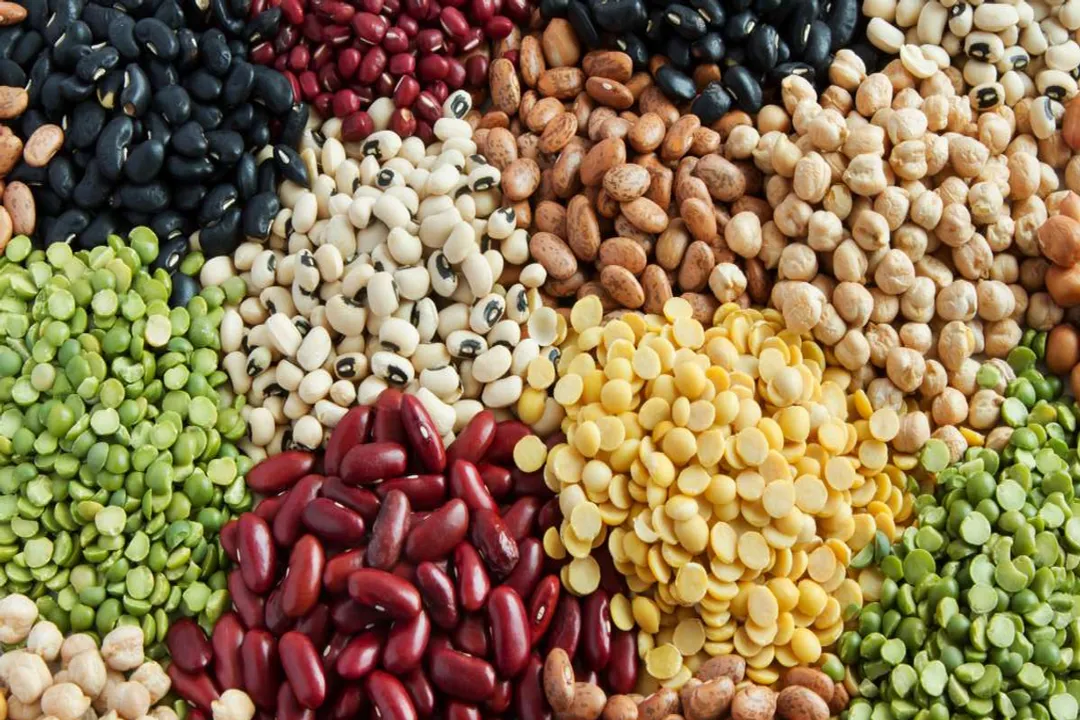
When trying to single out the absolute "best," the answer shifts depending on whether you value fiber quantity, specific antioxidant profiles, or mineral density. Several varieties consistently appear at the top of nutritional rankings. [2][3]
Navy Beans often earn top marks when fiber content is the primary metric. They pack an astonishing amount of dietary fiber into a small serving, which is crucial for digestive health and blood sugar regulation. [3] Fiber helps regulate the speed at which sugar enters the bloodstream, contributing to a low glycemic load for the bean as a whole. [7]
Black Beans, on the other hand, are celebrated for their deep, rich color, which signals a high concentration of anthocyanins. [2][3] These are powerful antioxidants also found in berries, known for their protective properties against cell damage. [2]
Kidney beans, pinto beans, and chickpeas (garbanzo beans) are also high achievers in the general nutrient category, offering great overall profiles of protein, fiber, and micronutrients. [2] Even lentils and peas, technically pulses rather than beans, share many of these impressive traits and should be considered part of this healthy group. [2][5]
# Dry Versus Canned
A practical consideration for many home cooks is the format of the bean. Dry beans, when purchased in bulk, represent the most economical route to nutrition and have no added sodium. [5] However, preparing them requires soaking and long cooking times. Canned beans offer incredible convenience, often being ready to use straight from the shelf, but they typically carry a significant amount of added sodium to preserve them. [5] If you opt for canned, a simple but vital step is to rinse them thoroughly under running water. A quick rinse can significantly reduce the surface sodium content, making them a much healthier choice without sacrificing speed. [5]
An Actionable Practice Check: While rinsing canned beans removes surface salt, the preparation method can actually affect mineral bioavailability. For dry beans, soaking overnight is standard. To potentially enhance the nutritional uptake of minerals like iron and zinc, a practice often overlooked is sprouting the beans after soaking but before cooking. While this requires an extra few days, the germination process can begin to break down certain anti-nutrients, making the inherent minerals more accessible to your body. This requires diligence but rewards you with a potentially more nutrient-dense final product.
# Micronutrient Milestones
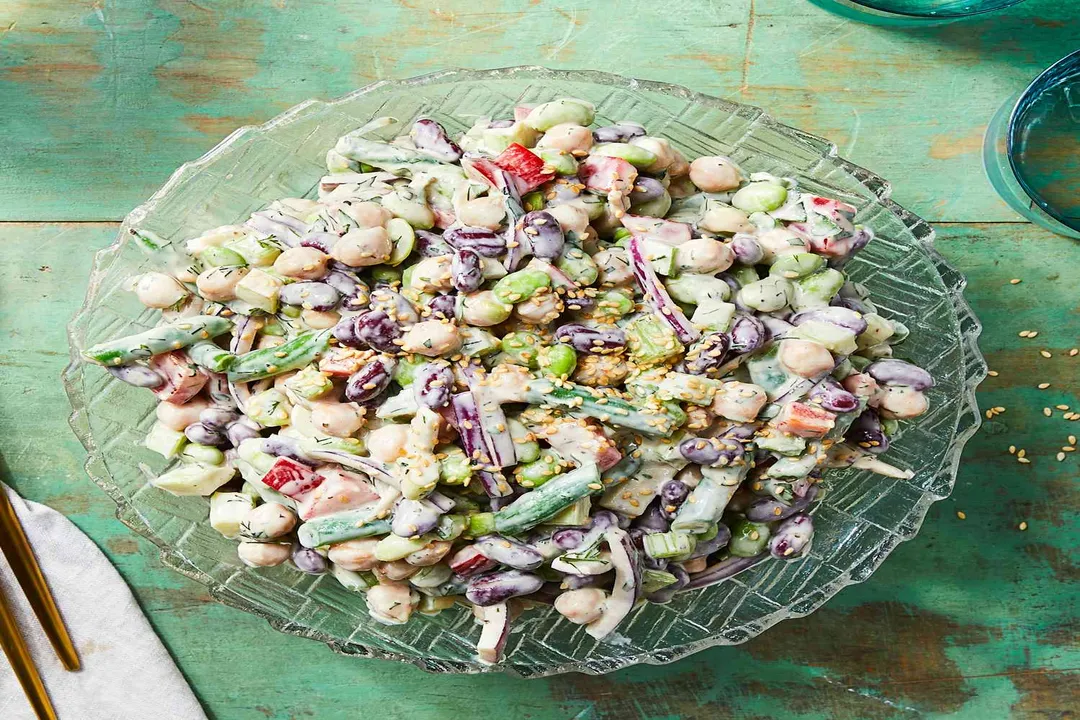
The true strength of beans lies in their micronutrient delivery. They are significant sources of essential vitamins and minerals that many standard Western diets often lack in sufficient quantity. [5]
# Folate Factor
Beans are particularly rich in folate, which is vital for cell division and DNA synthesis. [3] This makes adequate intake particularly important for women who are pregnant or planning a pregnancy, as folate plays a crucial role in preventing neural tube defects in a developing fetus. [3]
# Mineral Richness
Consider the supporting cast of minerals: beans provide good amounts of potassium, magnesium, and iron. [3] Potassium is instrumental in balancing fluid levels and supporting healthy blood pressure. [7] Magnesium plays a part in hundreds of bodily processes, from muscle function to nerve transmission. Iron, while present, is the non-heme type found in plants, meaning its absorption can be variable.
# Glycemic Control
Beans are consistently recognized for their low Glycemic Index (GI). [7] This is a direct result of their complex carbohydrate structure, high fiber content, and protein density, which all slow down digestion. [7] Foods with a low GI help prevent sharp spikes in blood sugar levels after eating, offering steady energy and contributing to better long-term glucose management. [7] This characteristic is why they are often recommended for individuals monitoring their carbohydrate intake or managing type 2 diabetes risk. [3][7]
# Diversity and Application
The term "healthiest" should perhaps be redefined as "most frequently eaten," because the health benefits of beans are cumulative and rely on consistent inclusion in the diet, not just eating one specific type once a month. [2]
If we were to look at a simple comparison of some common staples, it provides context on where specific nutrients are concentrated:
| Bean Type | Noteworthy Feature | Primary Benefit Area |
|---|---|---|
| Navy Beans | Highest in fiber among common beans [3] | Digestive health, Satiety |
| Black Beans | High in anthocyanin antioxidants [2][3] | Antioxidant protection |
| Kidney Beans | Good source of protein and minerals [2] | Overall nutrition |
| Lentils | Cook very quickly; high in iron/folate [2][5] | Convenience, Blood health |
This means that rotating your intake is the best strategy for maximizing the range of nutrients you absorb. For example, one week you might feature black bean burgers for their antioxidants, and the next, use navy beans in a hearty soup to maximize fiber intake.
# The Gut Connection
One area where personal experience varies widely relates to gastrointestinal comfort. Beans are famous for causing gas, which often deters people from eating them regularly, despite their documented benefits. [4] This effect is due to non-digestible carbohydrates (oligosaccharides) that reach the large intestine and are fermented by gut bacteria. [4] While this fermentation process actually feeds beneficial bacteria, the resulting gas can be uncomfortable. [4]
The most effective way to minimize this effect, outside of relying on rinsing canned beans, is gradual introduction. If you currently eat beans infrequently, suddenly adding a large bowl might cause distress. Start small—perhaps a quarter cup mixed into rice or a salad—and slowly increase the portion size over several weeks. This allows the gut microbiome time to adapt to the increased fiber load, effectively training your system to process the goodness without the discomfort. [4] This tailored approach allows you to reap the cardiovascular and blood sugar benefits without the temporary side effects.

# Beyond the Bean
It is worth briefly acknowledging the broader pulse family, as they often compete for the title of "healthiest." Lentils and peas are functionally similar legumes, offering high protein and fiber counts, but they often differ in preparation and density. [2][5] Lentils, for instance, require no pre-soaking, which makes them exceptionally fast to prepare compared to dried beans, offering a quicker path to a nutritious meal. [2] They are also renowned for their high iron content. [5]
When considering the entire landscape of plant foods, the consistent inclusion of any pulse—whether a cannellini bean, a small red bean, or a green lentil—in your regular meal rotation is what ultimately determines the long-term positive effect on your health profile. The specific type is secondary to the commitment to eating them regularly enough to displace less nutritious, processed foods. By treating them not just as a side dish but as a central source of quality nutrition, you are setting a strong base for better health markers across the board. [1][7]
#Videos
Beans Ranked - Nutrition Tier Lists - YouTube
Related Questions
#Citations
What is the healthiest type of bean? - MD Anderson Cancer Center
The 9 Healthiest Beans and Legumes You Can Eat - Healthline
The 7 Healthiest Beans to Eat, According to Dietitians - EatingWell
Which beans/legumes are the most nutritious? : r/vegan - Reddit
Which Dried Beans are Most Nutritious? - Harmony House Foods
6 Healthiest Beans to Add to Your Meals for More Fiber and Protein
Why beans are nature's perfect food | UCLA Health
Other than chickpeas, what's the healthiest bean? - Facebook
Beans Ranked - Nutrition Tier Lists - YouTube
Beans, Peas, and Lentils - MyPlate.gov