Which genus of fungi is responsible for causing Sporotrichosis, commonly known as Rose Picker's Disease?
Answer
Sporothrix genus
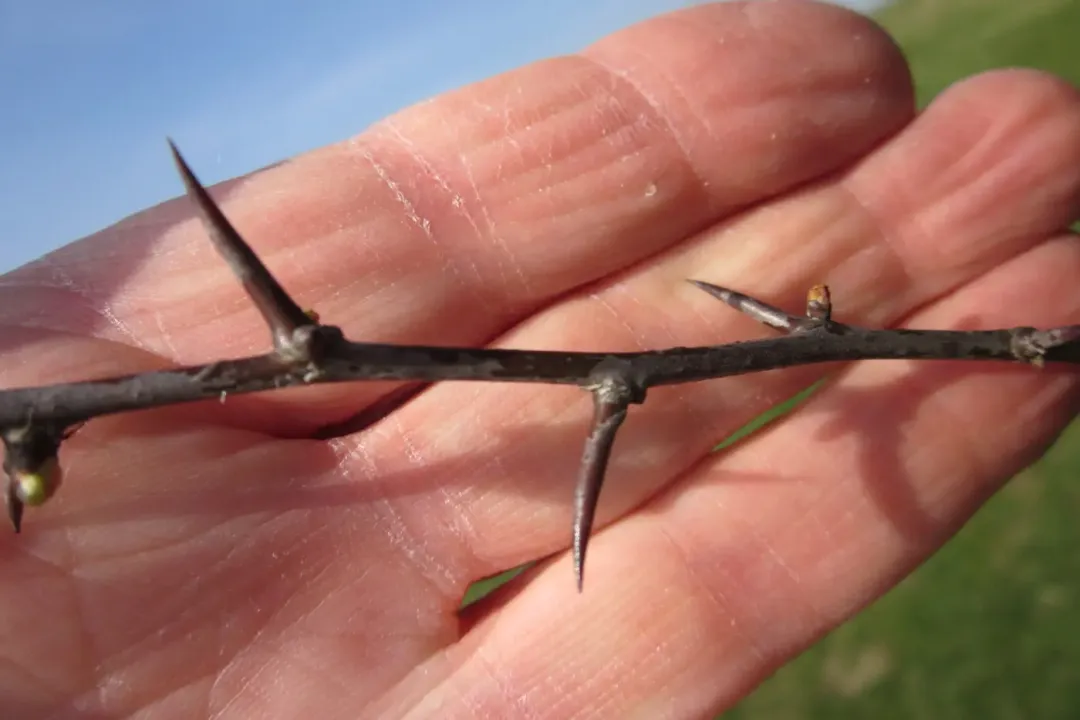
The specific fungal disease linked to rose thorn injuries is Sporotrichosis, often referred to as Rose Picker's Disease. This infection is caused by microscopic organisms belonging to the Sporothrix genus. These fungi are natural inhabitants of environments rich in decaying matter, specifically thriving in soil, various types of moss, and decaying vegetation. When a rose thorn scratches or pricks the skin, it acts as the vector, introducing these Sporothrix fungi beneath the epidermal layer, initiating the characteristic disease process.
Related Questions
Why do narrow puncture wounds from thorns create an ideal environment for anaerobic organisms to flourish?What bacterium causes tetanus, a critical systemic risk from deep, dirty thorn pricks?What is the specific outcome called when a thorn penetrates a joint capsule, introducing foreign material into the synovial fluid?What is the initial presentation symptom of Sporotrichosis, or Rose Picker's Disease, at the site of the rose thorn prick?How frequently is a tetanus booster generally recommended for sustained protection?What is the very first step recommended for managing a thorn prick wound immediately after the incident?How is Mycetoma characterized in terms of its progression and tissue destruction caused by deep, dirty inoculation?According to the symptom table, what does the presence of red streaks extending from the wound potentially imply?Which genus of fungi is responsible for causing Sporotrichosis, commonly known as Rose Picker's Disease?What non-aggressive method is suggested for encouraging a tiny, deeply embedded thorn fragment to be pushed out naturally?