How to know if thorn is infected?
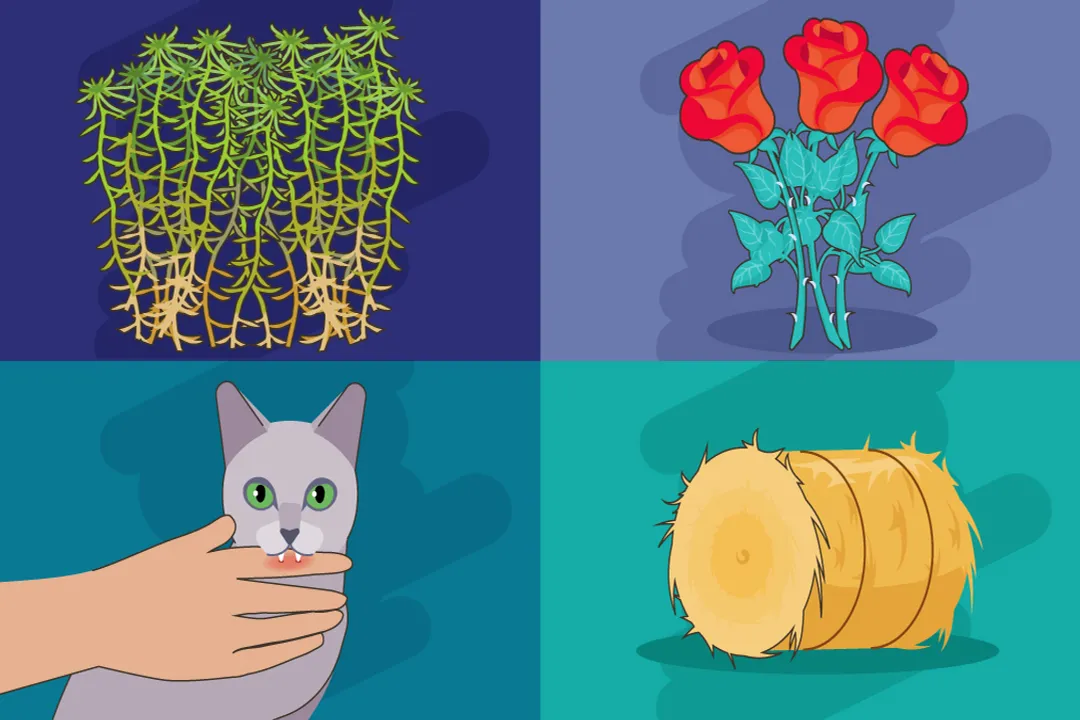
A minor scratch from a rose bush or a slip while handling landscaping debris might seem insignificant at first glance. We often treat these small injuries with a quick rinse and move on, assuming the body will handle the rest. However, plant matter, especially thorns, can introduce foreign material or specific microorganisms deep into the tissue, turning a small wound into a significant problem if not monitored correctly. [4][5] Recognizing the subtle shift from normal healing to a true infection is the critical first step in managing these injuries effectively.
# Initial Care
When a thorn breaks off under the skin, the immediate reaction should focus on cleaning and assessment rather than aggressive removal, particularly if the object is deeply embedded. [4][8] Thoroughly wash the area with soap and running water. This mechanical cleansing helps reduce the surface bacterial load that is naturally present on the skin and the plant matter itself. [5] If the thorn is clearly visible and near the surface, try to remove it gently with sterilized tweezers; however, if you cannot easily grasp it or if it has broken off, stop probing. [4][5] For injuries suspected to be deep or if you are unsure about the material introduced, seeking professional advice early can prevent complications down the line. [5]
If the wound is bleeding freely, let it flow for a few minutes, as this can help flush out contaminants. Once cleaned, apply an antiseptic ointment if you have one and cover the area with a sterile bandage. [4] The most important factor after initial care is observation, paying close attention to how the site behaves over the next couple of days.
# Watch Closely
A healthy healing process involves some discomfort, minor redness, and perhaps a small amount of clear or whitish fluid drainage, which typically subsides within a few days. [8] An infection, however, follows a pattern of worsening symptoms rather than gradual improvement. It is helpful to establish a baseline immediately after cleaning the wound so you can accurately track changes. [5]
The classic warning signs that the body is fighting off a bacterial invasion are unmistakable, though they might not all appear at once:
- Increasing Redness (Erythema): The red area around the puncture site should not spread outward over time; rather, it should start to shrink as healing progresses. [4] If the redness expands past the immediate site, it suggests the infection is moving outward into surrounding tissues.
- Heightened Pain: While initial throbbing is normal, pain that intensifies significantly 48 to 72 hours after the injury, or pain that becomes severe enough to interfere with normal use of the limb, is a major concern. [4]
- Warmth and Swelling: The affected area may feel noticeably warmer to the touch compared to the surrounding skin, accompanied by persistent puffiness or hardness that doesn't resolve.
- Pus Drainage: The appearance of thick, yellowish, green, or foul-smelling discharge is a clear indicator of bacterial proliferation. [4]
If you find yourself documenting these worsening signs, it is time to seek medical attention, as oral or topical antibiotics may be necessary to contain the issue before it progresses further. [4]
# Deep Track Risks
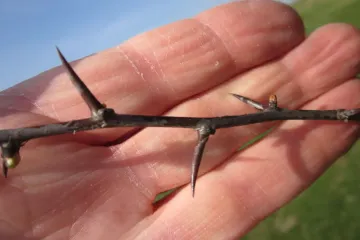
Sometimes the problem isn't a standard bacterial infection but a reaction to the specific nature of the plant material itself, or the way the material has tracked through delicate structures in the body. [1][7] Different plants carry different risks. For instance, plants like cacti, palms, and citrus trees often have thorns that are notoriously difficult to remove and can carry unusual environmental fungi or bacteria. [6][7]
A notable concern associated with puncture wounds from plant material, especially rose thorns, is Sporotrichosis, often called Rose Gardener's Disease. [2][3] This infection is caused by a fungus (Sporothrix schenckii) found in soil, moss, and on plant debris. [2] Unlike common bacterial infections that flare up quickly, sporotrichosis symptoms can sometimes be delayed, appearing weeks or even months after the initial injury. [2]
Initially, you might notice a small, painless, reddish-brown bump or nodule at the puncture site. [2] This can progress into an ulcerated sore. [2] The distinguishing, though less common, feature of this fungal infection is that it can spread locally along the lymphatic channels, sometimes causing a chain of nodules to appear leading away from the original wound—a pattern rarely seen with simple bacterial cellulitis. [2]
# Joint Pain
The hand and foot are common sites for deep thorn injuries because we often use them to manipulate or steady thorny plants. When a thorn penetrates deeply enough to enter a joint space or a tendon sheath, the ensuing inflammation can mimic or lead to a severe condition known as plant thorn arthritis or synovitis. [1][9]
If the thorn itself remains lodged in or near a joint capsule, it causes a foreign body reaction, leading to chronic inflammation. [1][9] Symptoms here shift from skin signs (like spreading redness) to functional impairment:
- Persistent Joint Swelling: The joint remains puffy and tender long after the initial injury site should have calmed down.
- Stiffness: Difficulty moving the joint through its full range of motion, often most noticeable first thing in the morning.
- Deep, Aching Pain: The discomfort is centered within the joint itself rather than on the surface skin. [1][9]
It is crucial not to mistake this chronic, sterile inflammation (synovitis caused by the foreign body) for septic arthritis (an active infection within the joint fluid), as both require medical intervention, but the treatment protocols differ significantly. [1] Given that deep puncture injuries to the hand often involve small joints or flexor tendon sheaths, ignoring persistent joint symptoms can lead to long-term functional deficits, regardless of whether the primary issue is bacterial or a sterile reaction. [7]
# Determining Severity
To help organize your assessment, you can think of thorn injuries along a timeline. For the first 24 to 48 hours, expect mild tenderness and perhaps a small, clean weep. If by day three the symptoms are clearly escalating, you are likely dealing with a developing infection that requires intervention. [4]
When you consider digging out a deeply lodged piece of plant matter yourself, remember that the material causing the problem—whether it’s a sliver of wood, a piece of thorn, or fungal spores—is often already seated against sensitive structures. Aggressive home attempts to excavate can inadvertently push that contaminant deeper into a tendon sheath or joint space, increasing the risk of long-term damage or introducing more surface bacteria into deeper layers. [5][7] If you cannot retrieve it easily, a healthcare provider has specialized tools and potentially imaging capabilities to locate and remove it while minimizing collateral tissue trauma.
# Seeking Help
Knowing precisely when to transition from home care to clinical management is vital for safety. If you observe any signs of systemic illness—fever, chills, nausea, or if red streaks begin tracking up the arm or leg from the injury site (a sign of lymphangitis)—seek urgent care immediately, as this indicates the infection is entering the bloodstream or lymphatic system. [3][4]
Consult a medical professional if:
- You cannot remove the entire thorn, and you suspect a piece remains. [5]
- The wound does not show signs of improvement within 48 hours, or symptoms are actively worsening. [4]
- The injury occurred on or near a major joint, or if joint pain and stiffness develop later. [1][9]
- The source of the injury was known to be contaminated or came from a plant associated with unusual pathogens, like a specific tropical plant or a rose bush that might have been near soil contaminated with Sporothrix. [2]
A doctor can properly clean the wound, prescribe necessary antibiotics for bacterial infections, or perform testing (like a fungal culture) if they suspect a less common reaction like sporotrichosis. [2][4] For severe, deep injuries, especially those involving the hand, an orthopedic specialist may need to be involved to assess tendon or joint integrity. [7]
Related Questions
#Citations
Plant Thorn Arthritis Infection Causes, Symptoms, Treatment
Sporotrichosis Basics - WebMD
Sporotrichosis Basics - CDC
Thorns or Splinters: How to Treat them and Detect an Infection?
[PDF] Splinters, Thorns, and Other Foreign Bodies in the Hand
Rose Thorns: A Risk for Bacterial and Fungal Infection - Healthline
Palm Thorn Injury - Brandon P. Donnelly, MD
Object in the Skin: Care Instructions - MyHealth Alberta
Plant thorn arthritis: Plants, symptoms, and treatment