What specific topical recommendation relates to using a strong salal tea when skin is broken, moist, and itchy?
Answer
Poison oak
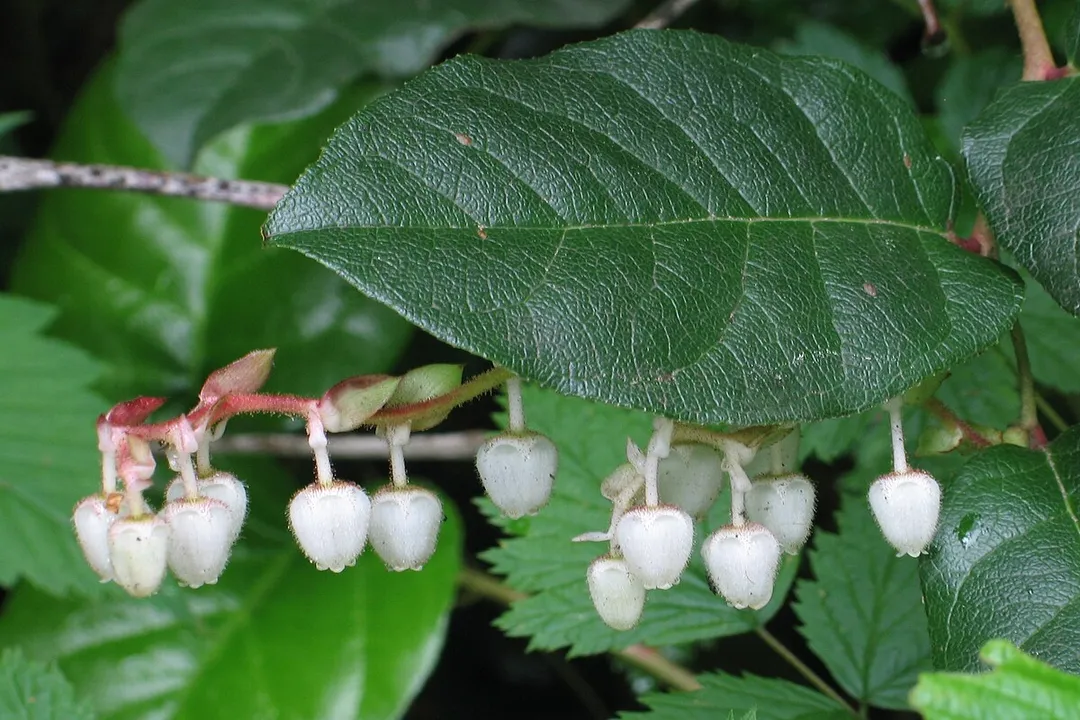
The topical uses of salal leaves are varied, extending beyond general first-aid treatments for minor cuts or insect bites. The plant's astringent properties lend themselves well to conditions characterized by weeping moisture. Among the specific topical recommendations mentioned, a strong salal tea, sometimes applied as a localized fomentation or lukewarm bath, is considered one of the best treatments specifically targeted at poison oak. This application capitalizes on the astringency to help dry out the affected, irritated, and moist skin while simultaneously working to reduce the associated inflammation.
Related Questions
Which chemical constituent is named as the most notable astringent agent concentrated within salal leaves?What vivid analogy is used to describe the mechanism by which tannins in salal leaves draw out fluids?How do the anthocyanin levels in *Gaultheria shallon* berries compare quantitatively to those found in blueberries?What specific topical recommendation relates to using a strong salal tea when skin is broken, moist, and itchy?What unique chemical characteristic enables salal berries to remain on the bush all winter without developing mold?What is the commercial name given worldwide to salal foliage used in floral arrangements?For which internal system is a tea made from dried salal leaves suggested to reduce inflammation within the bladder, especially after urination?If an individual using salal leaf preparations experiences unusual thirst or constipation, what action is recommended?Which Coast Salish Peoples historically chewed salal leaves to create a moist poultice applied directly onto burns and sores?What is the noted disadvantage when cooking salal berries to accelerate drying for long-term food preservation cakes?