What medicine is made from corals?
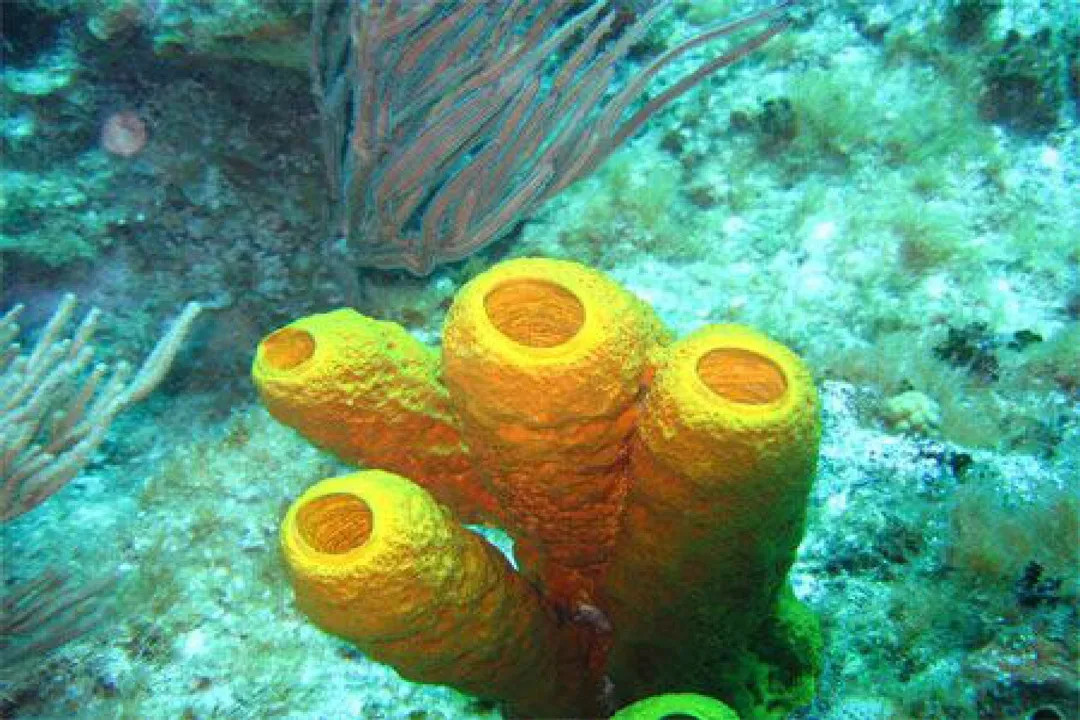
The vast, largely unexplored depths of the ocean hold secrets that could radically change human health, and perhaps the most promising secrets lie within the diverse architecture of coral reefs. [8][9] While many immediately picture stony, reef-building corals, the entire phylum Cnidaria, encompassing both hard and soft corals, presents a rich, untapped pharmacopeia. [1][5] For centuries, indigenous coastal communities have used marine organisms for remedies, but modern science is now systematically investigating these underwater ecosystems for compounds that fight some of humanity’s most persistent diseases. [1][4] This pursuit is driven by the fact that marine invertebrates, living in intensely competitive and pathogen-rich environments, have evolved sophisticated chemical defenses that translate directly into potent biomedical potential for humans. [6][9]
# Pharmacy Below
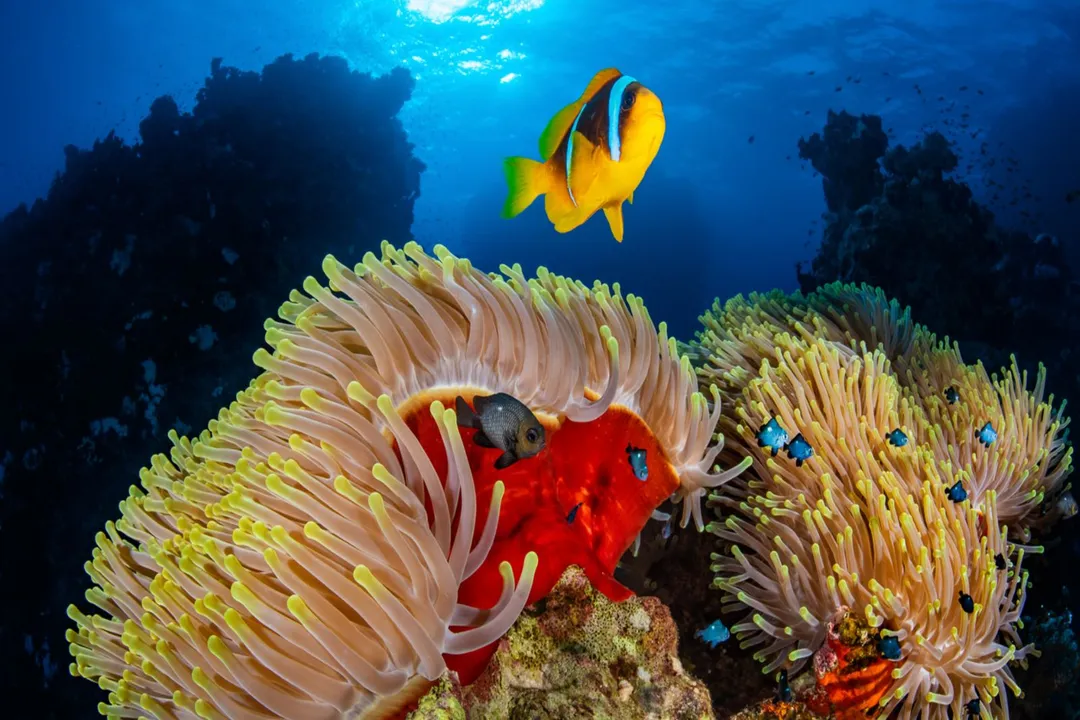
The medicinal promise found in coral organisms is astonishingly diverse, spanning applications from anti-inflammatory agents to antibiotics and potent anti-cancer drugs. [1][5] These creatures, which are animals, not plants, secrete a vast array of secondary metabolites—complex organic molecules that are not directly involved in their primary growth or reproduction but serve as chemical weaponry or communication tools. [2] Researchers have identified numerous biologically active molecules derived from corals, reflecting millions of years of evolutionary pressure in the marine setting. [2][5] Unlike terrestrial plants, which have been extensively cataloged, the majority of marine sources remain completely unstudied, suggesting that the catalog of potential drugs from the sea is only just beginning to be written. [8]
Consider the sheer chemical novelty. Many of the compounds isolated from marine sources possess chemical structures unlike anything found in terrestrial drugs, offering medicinal chemists completely new scaffolds upon which to design therapeutics. [9] This structural difference is key because as pathogens and cancers develop resistance to existing drug classes, entirely new chemical classes are needed to overcome that resistance. [1] The ocean provides this necessary chemical novelty right off the shelf, so to speak.
# Soft Coral Source
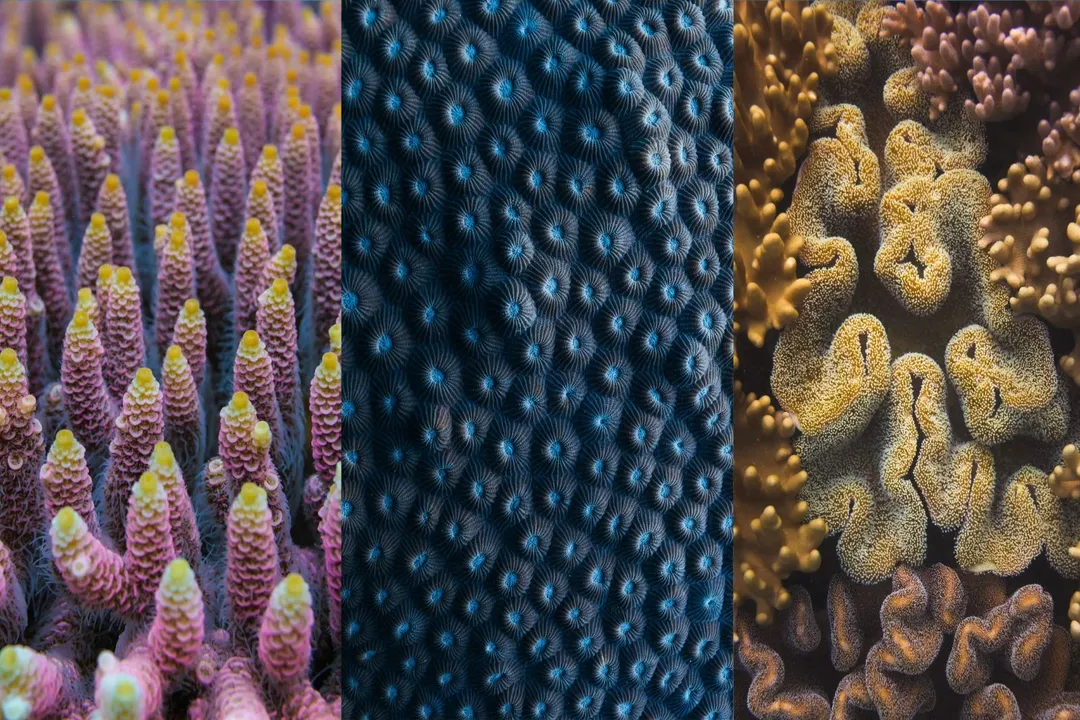
When discussing medicines from corals, a significant portion of current research zeroes in on soft corals, which belong to the order Alcyonacea. [3] While the hard, reef-building corals (Scleractinia) create the physical structure of the reef, soft corals often sway in the current, lacking a rigid external skeleton. [3] This difference in structure corresponds to a difference in chemical output that has proven highly valuable to researchers. [6]
Scientists have found that soft sea corals are particularly prolific sources of sought-after anti-cancer agents. [3] For example, chemical investigations into these organisms have revealed compounds that exhibit significant activity against human tumor lines. [3] This focus on soft corals isn't entirely accidental; their flexible bodies rely heavily on a diverse cocktail of natural products for defense, camouflage, and communication, making their chemical arsenal richer in certain defensive compounds than their stony cousins. [6] A key insight arising from this comparative study of coral types is that the structural simplicity of soft corals as organisms belies the structural complexity of their secreted bioactive molecules. [3] It’s a case where the organism’s lack of a heavy limestone defense necessitates a more potent biochemical defense system. [6]
# Anti Cancer Agents
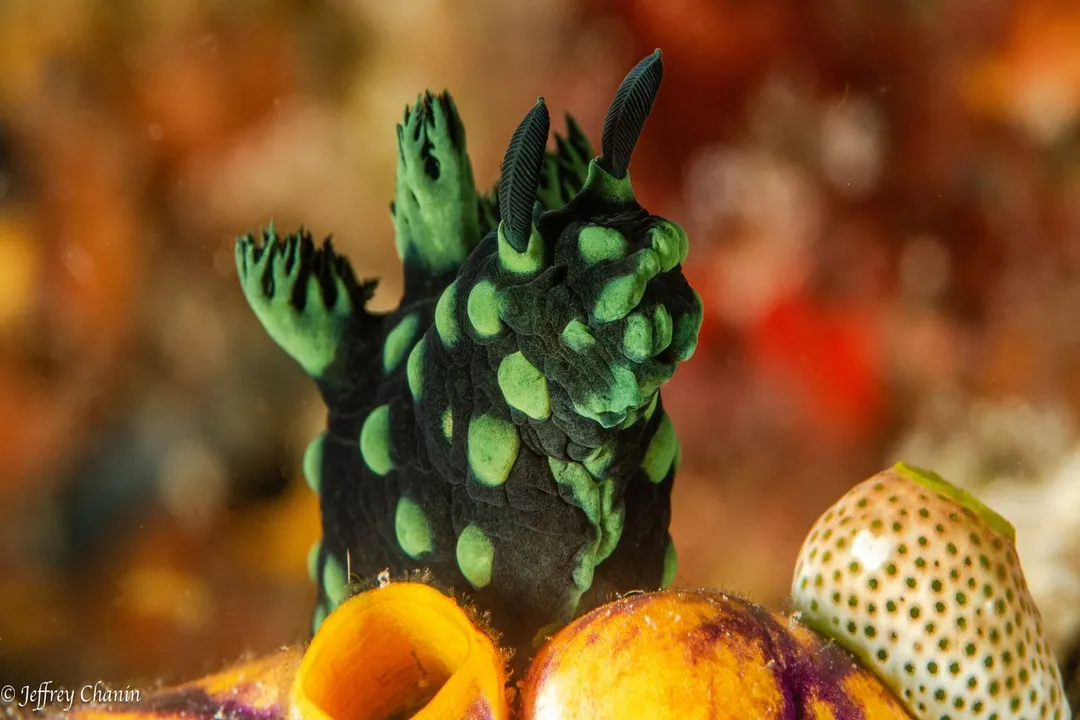
The search for effective anti-cancer drugs represents one of the most compelling reasons for examining coral compounds. [1][3] The compounds isolated are being investigated for their ability to halt the proliferation of cancer cells. [3] Researchers are actively exploring how these natural molecules might interfere with the division cycle of malignant cells, potentially offering new mechanisms of action compared to standard chemotherapies. [2]
For instance, work has been done on isolating substances from soft corals that show promise in biomedical applications. [6] These compounds are interesting because they often display high cytotoxicity—the ability to kill cells—specifically against cancer cell lines, while ideally exhibiting lower toxicity toward normal, healthy cells, though this selectivity is a continuous area of refinement in drug development. [3] Furthermore, the specific anti-cancer activity being mapped across different soft coral species suggests that geographically distinct populations might harbor unique versions of these protective chemicals, further complicating and enriching the discovery process. [3]
# Molecules Discovered
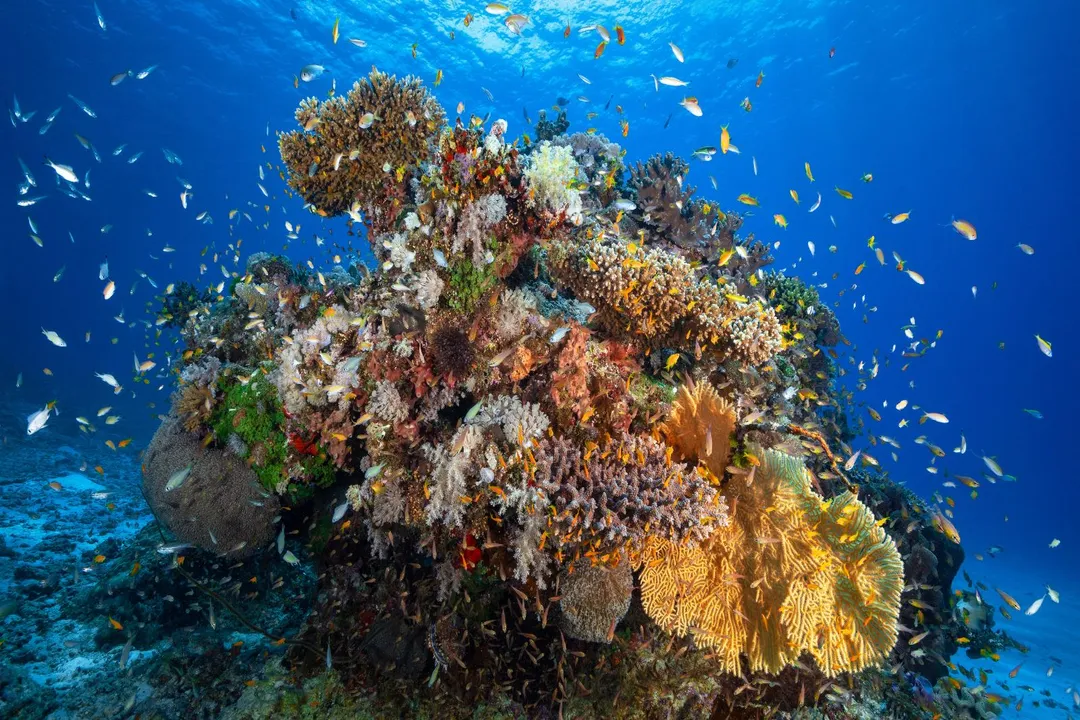
The historical record and ongoing research point to several classes of compounds that have emerged from coral studies. [5] While the field is constantly evolving, certain areas of activity stand out. Researchers have isolated compounds from both hard and soft corals exhibiting antiviral, antifungal, and antibacterial properties, suggesting their broad utility in combating infectious diseases as well as malignancies. [1][5]
One critical area of medicinal chemistry involves finding molecules that can disrupt critical biological pathways in disease states. From corals, scientists have isolated compounds that are being examined for their potential to inhibit enzymes crucial for the survival of certain cancer cells or for their ability to interfere with the signaling pathways that drive inflammation. [2] The discovery process often involves screening extracts from various coral species against a panel of biological targets, a painstaking process of trial and error informed by educated chemical intuition. [9] For instance, while an extract from a Caribbean gorgonian coral might yield one active agent, an extract from a Pacific sponge or soft coral might yield an entirely different, structurally unique compound with superior activity against a different target. [4]
For general context on marine pharmacology, while sponges are often highlighted, corals themselves contribute distinct classes of compounds. A general rule of thumb in marine natural product chemistry is that the environment dictates the chemistry; a slow-growing organism in a high-predation zone will likely invest more heavily in potent, long-lasting chemical defenses than a fast-growing, structurally robust organism. This dynamic directly explains the wealth of pharmaceutical leads derived from sessile, chemically reliant invertebrates like corals. [2]
# Cultivation Hurdles
A major roadblock in translating marine discoveries into usable medicines lies in the practicalities of sourcing the compounds. [4] Many of the most promising organisms are either slow-growing or exist only in ecologically sensitive, often remote, deep-sea or reef locations. [1][9] Harvesting wild corals in sufficient quantities to support preclinical trials, let alone commercial drug production, is often impossible and, more importantly, environmentally devastating. [4]
Imagine a drug candidate that requires one ton of a specific soft coral species per year to produce enough active ingredient for clinical trials. If that species takes fifty years to reach maturity on the reef, scaling up production becomes an immediate, insurmountable challenge. [4] This reality forces scientists to pivot quickly toward laboratory-based solutions.
# Lab Synthesis Efforts
The scientific community is intensely focused on replicating the compounds synthetically in a lab setting. [4] If a chemical structure can be fully elucidated, organic chemists can attempt to synthesize it from readily available, non-marine starting materials. [4] This approach bypasses the need to harvest the natural source entirely. However, many marine natural products, particularly those from corals, possess highly complex, three-dimensional molecular architectures that make total synthesis incredibly difficult and often prohibitively expensive on a large scale. [9]
Another promising avenue being pursued is aquaculture or mariculture—growing the corals or their associated microbial symbionts in controlled tanks. [4] This method allows for more sustainable harvesting of the beneficial chemicals without damaging wild reefs. Success here depends on understanding the precise environmental triggers and nutritional requirements that cause the coral to produce the desired chemical defenses, which can vary wildly between species. [1]
# Conservation Impact
The direct link between a healthy coral reef ecosystem and the future of medicine is often overlooked by the general public. [8] When a reef ecosystem degrades due to climate change, pollution, or destructive fishing practices, we aren't just losing biodiversity; we are potentially losing the source for the next generation of antibiotics or cancer treatments. [9] The urgency of reef conservation takes on a new dimension when framed not just ecologically, but pharmaceutically. [4]
The potential loss represents a massive loss of information, as the "recipe" for these life-saving compounds exists only within the living organism. [8] A specific, localized coral population might hold the genetic blueprint for a unique anti-HIV compound that is entirely absent in a more distant population of the same species. This points to the need for in situ (on-site) protection of reefs as living research libraries. [9] We cannot afford to let these unique genetic reservoirs disappear before we even know what cures they hold.
To illustrate the conservation imperative from a pharmaceutical perspective, consider the concept of "chemical redundancy." If a species with a promising molecule goes extinct, that specific chemical pathway, honed by eons of evolution, is gone forever. While synthetic chemistry is powerful, creating a de novo molecule that perfectly mimics the function and safety profile of a refined natural product is often decades behind the efficiency of evolution itself. [1]

# Novel Applications
Beyond the major disease categories, research into coral-derived compounds is uncovering interesting, specialized activities. For example, the chemical compounds used by corals for defense or competition may offer novel ways to manage chronic inflammation in humans, a process underlying conditions from arthritis to heart disease. [2] Furthermore, the complex molecular environment of the reef often involves microorganisms living in close association with the coral host. Sometimes, the active compound isn't produced by the coral animal itself but by a symbiotic bacterium or algae living within its tissues, an important distinction that requires sophisticated biochemical analysis to unravel. [1]
This symbiotic relationship also suggests that preserving the entire reef community is paramount, not just the coral polyps themselves. [1] If we only manage to cultivate the coral in a lab but fail to replicate the necessary microbial community, the production of the valuable secondary metabolite might cease entirely. Understanding these minute ecological relationships is a prerequisite for sustainable pharmaceutical sourcing from the marine world. [4] The complexity is such that isolating a compound is merely the first step; figuring out how to get the organism to make that compound reliably is the true challenge of drug development from the sea. [9]
Related Questions
#Citations
Medicinal Cures Within Coral Reefs
Corals and Their Potential Applications to Integrative Medicine - PMC
Scientists Find Soft Sea Corals Are Source of Sought-After "Anti ...
Discovering Life-Saving Medicines in Coral Reefs - PBS SoCal
Drugs from Corals - Medindia
Study Unlocks Soft Corals' Biomedical Potential
Coral Uses, Benefits & Dosage - Drugs.com
Do medicines come from the sea? - NOAA Ocean Exploration
Finding Cures from Corals | NSF - U.S. National Science Foundation