Does sedum have any medicinal properties?
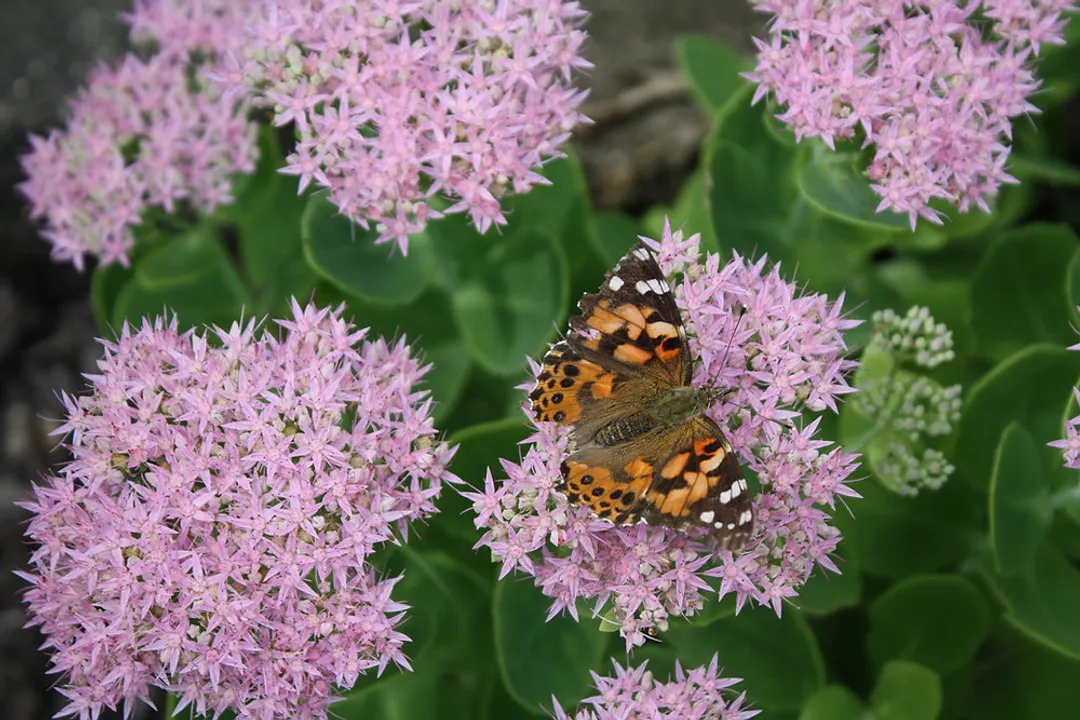
The world of succulents often brings to mind decorative, drought-tolerant garden plants, but within the extensive Sedum genus—commonly called stonecrops—lies a history steeped in traditional medicinal use across continents. The medicinal potential of these fleshy-leaved plants is not a single story but a collection of tales specific to different species, ranging from ancient remedies in Mexico to formalized traditional practices in Asia. A general inquiry into Sedum quickly reveals that caution must accompany interest, as safety profiles vary dramatically depending on which stonecrop you encounter.
# Asian Medicine Uses
In East Asia, particularly within Traditional Chinese Medicine (TCM), Sedum aizoon (known by names like Jing Tian San Qi) holds significant recognition, dating back to historical texts like the Ming Dynasty's Jiu Huang Ben Cao. This specific plant has been traditionally valued as one of the revered "Taibai seven medicine" in the Qinling Mountains.
The applications documented for S. aizoon are broad and impactful, centering heavily on circulatory and neurological support. It was widely used for dispersing blood stasis and stopping bleeding, earning a reputation as the "god medicine for hemostasis" in older classics. Preparations, sometimes involving a 60–90 g decoction, were employed to manage various bleeding symptoms, including nosebleeds, bleeding gums, and internal hemorrhage. Beyond blood, it served as a cardiac aid, employed for issues like palpitations, restlessness, and even rheumatic heart disease, suggesting effects on calming the heart and mind. Furthermore, reported effects include detoxification and pain relief (analgesia).
Moving to the Mexican tradition, Sedum dendroideum, or Tree Stonecrop, also has deep roots in healing, documented in colonial-era compendia as hierba de piedra. Here, the focus shifts towards external applications and digestive support. Indigenous healers reportedly used crushed leaf juice as a topical poultice for treating festering wounds, eye irritation, and sunburn due to its anti-inflammatory properties. In Ayurvedic adaptations, this species is recognized for its thick, oily leaves that store potent phytochemicals believed to balance bodily doshas.
# Chemical Constituents
The varied traditional uses are, perhaps unsurprisingly, backed by a diverse chemical profile found within these succulents. S. aizoon is an example of a plant rich in identified metabolites—over 234 have been preliminarily isolated. The main active groups identified include flavonoids, phenolic acids, triterpenes, and alkaloids.
Specifically, flavonoids like quercetin, rutin, and kaempferol glycosides are common across multiple Sedum species studied. In S. dendroideum, these flavonoids, alongside tannins, are credited with its topical benefits, as tannins possess astringent qualities that tighten tissues, which aids in wound repair. Modern testing on S. aizoon extracts confirms strong antioxidant activity, showing the ability to scavenge free radicals, and significant anti-inflammatory effects by inhibiting pathways like COX-2, supporting its traditional use for reducing swelling and pain.
The complexity of the genus is fascinating. One might assume that if one plant is beneficial, others are too, but the chemical findings suggest a need for precision. It is important to recognize that while S. aizoon is studied for its cardiovascular and anti-fatigue benefits, its root extracts have been found to contain pyrrolizidine alkaloids (PAs) such as senecionine, which carry a warning for strong hepatotoxicity. This underscores a critical point: the very species valued for stopping bleeding and calming the mind also contain compounds that require careful management to avoid liver damage. This variation in chemistry means that the name on the label, or rather the botanical species, is the single most important piece of information when considering medicinal application.
# Cautions and Toxicity Spectrum
This difference in chemical makeup leads directly to the most important consideration for anyone curious about using Sedum medicinally: identification is everything. While some species are integrated into traditional foodways, others are decidedly not for internal use.
Consider Hylotelephium telephium (also known as Orpine or Sedum Autumn Joy). While it has traditional uses for minor burns and digestive issues, it is explicitly noted that this species contains mildly toxic compounds that can cause gastrointestinal distress if ingested in large amounts. It is best enjoyed ornamentally.
Even more caution is advised with Sedum acre, or Common Stonecrop. WebMD notes that while people have used it traditionally for coughs and high blood pressure, there is no good scientific evidence to back these claims. Furthermore, taking large oral amounts is known to cause vomiting and diarrhea, and it is generally recommended to avoid internal use due to insufficient safety data, especially during pregnancy.
For the species showing promise, like S. aizoon, historical data also includes serious negative reports. Excessive consumption has been linked in older literature to hepatic vein occlusion disease, characterized by abdominal pain, liver enlargement, and fluid buildup. This direct link between high dosage and severe organ toxicity in one species contrasts sharply with the generally well-managed traditional use of another species, S. dendroideum, in a different cultural context.
| Species / Type | Primary Traditional Use Area | Key Active Component Type | Key Safety Note/Toxicity Concern |
|---|---|---|---|
| S. aizoon (TCM) | Hemostasis, Sedation, Circulation | Flavonoids, Alkaloids (PAs) | PAs present; excessive use linked to liver occlusion. |
| S. dendroideum (Ayurvedic/Mexico) | Topical Wounds, Mild Digestive | Tannins, Flavonoids | Generally used topically; systemic safety data is sparse. |
| Hylotelephium telephium | Wound Healing, Anti-inflammation | Tannins, Flavonoids | Mildly toxic if ingested in large amounts. |
| Sedum acre (Common Stonecrop) | Cough, BP (unverified) | Unknown (contains alkaloids) | No good scientific backing; large doses cause GI upset. |
# Scientific Validation Efforts
Modern research has largely focused on the species already established in formalized pharmacopeias, such as S. aizoon. The scientific community has moved beyond simple observation to detailed chemical profiling and testing, which helps bridge traditional knowledge with laboratory evidence.
Studies on S. aizoon have demonstrated a wide array of effects in preclinical models, validating several historical claims:
- Cardioprotection: Extracts have been shown to lower blood pressure and reverse myocardial remodeling in hypertensive rats, suggesting they protect the heart by regulating blood pressure pathways.
- Metabolic Health: Extracts have demonstrated an ability to regulate blood lipids, lowering total cholesterol (TC) and triglycerides (TG) while raising beneficial HDL-C levels in hyperlipidemia models.
- Anti-fatigue: Human clinical trials involving college students showed that sap extracts improved fatigue resistance, accelerated recovery after exercise, and regulated stress markers like cortisol.
- Antimicrobial Action: Extracts show effectiveness against several bacterial strains, including multi-drug resistant Pseudomonas aeruginosa, although the effect on fungi is reportedly weak.
These findings suggest that the complex interplay of compounds, such as phenolic acids and flavonoids, in S. aizoon acts synergistically to support systemic health. While research on S. dendroideum is less vast, preliminary evidence supports its traditional use, noting that leaf extracts accelerated re-epithelialization (skin repair) in animal models.
# Garden Value and Responsible Interest
For the average reader interested in succulents, the takeaway must center on respecting botanical specificity. While the ornamental varieties like the common low-growing Sedum acre are excellent for low-maintenance landscaping and feeding late-season pollinators, they should not be mistaken for the medicinal S. aizoon or S. dendroideum growing miles away. A simple rule of thumb when cultivating these plants for any potential use is to first confirm the exact species—is it an edible variety like S. sarmentosum, or a known ornamental/potentially toxic one like S. acre?
When considering medicinal application, always proceed with the understanding that scientific validation for many traditional uses remains preliminary, relying heavily on in vitro or animal models. The presence of compounds like the hepatotoxic alkaloids in S. aizoon highlights that even within the verified medicinal subset, proper preparation and dosage, often guided by a trained practitioner, are non-negotiable safety measures. If you are using a Sedum for a therapeutic reason, it is essential to source it responsibly, perhaps looking for suppliers who specify standardization of active components, such as the requirement for S. dendroideum powder to contain over 2% total flavonoids.
Related Questions
#Citations
Sedum aizoon L.: a review of its history, traditional uses, nutritional ...
Sedum dendroideum (Tree Stonecrop) - Ask Ayurveda
Common Stonecrop - Uses, Side Effects, and More - WebMD
PLANT OF THE MONTH: Sedum - Rosamund Community Garden
Uses of the Hylotelephium Telephium succulent - The Rike