Does salal have any medicinal properties?
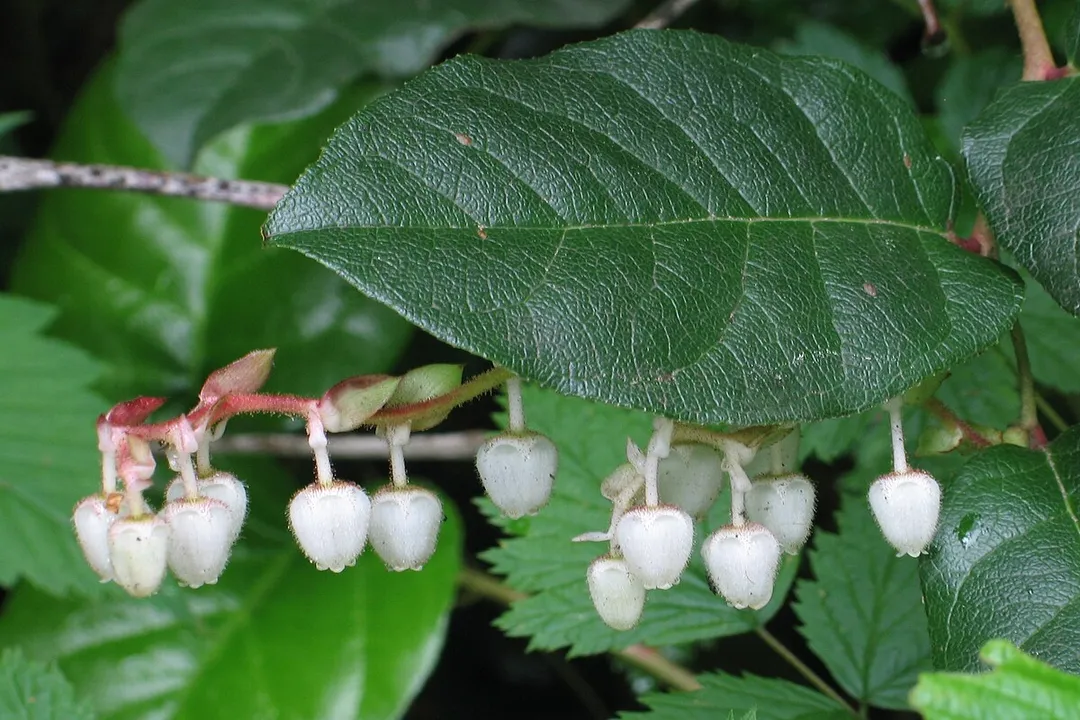
The evergreen shrub Gaultheria shallon, commonly known as salal, forms a distinctive, dense backdrop across the moist coastal forests of western North America. [8] While often overlooked due to its sheer commonness, this plant holds a deep significance, particularly within the realm of traditional medicine, where both its dark blue berries and its thick, leathery leaves have been applied for generations to address a wide array of physical complaints. [1][2] To understand its medicinal potential, one must look closely at the chemistry concentrated within its foliage, which imparts powerful astringent and anti-inflammatory effects. [4][6]
# Leaf Chemistry
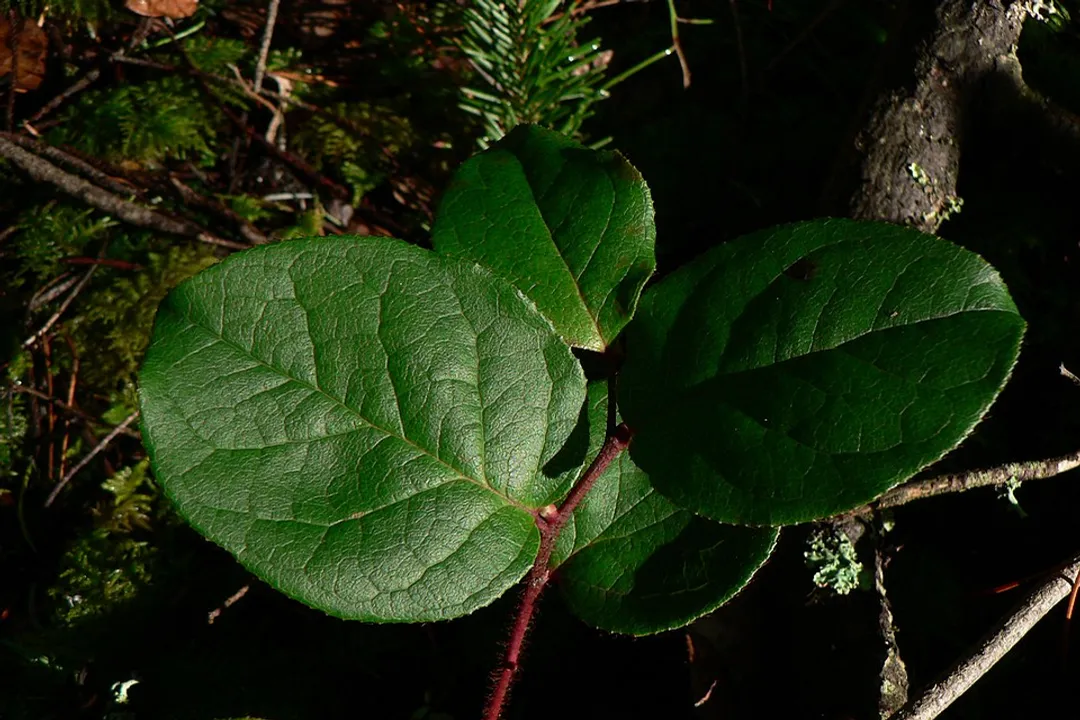
The medicinal strength of the salal leaf is largely attributed to its significant concentration of chemical constituents, particularly phenolic acids, including gallic acid. [6] These compounds contribute to the plant’s dominant taste profile—astringent and mildly bitter—and its primary energetic action as cooling. [4]
The most notable of these astringent agents are the tannins. [4] Tannins are renowned for their ability to bind to proteins and draw out fluids, a mechanism often described in herbalism using a vivid analogy: thinking of the leaf as a sponge. [6] When applied or infused, the tannins in salal act to "squeeze fluid out of congested tissue," which is particularly beneficial in respiratory and sinus congestion, allowing inflamed pathways to open and function better. [6] This action results in a tangible reduction of swelling and inflammation in localized areas. [4]
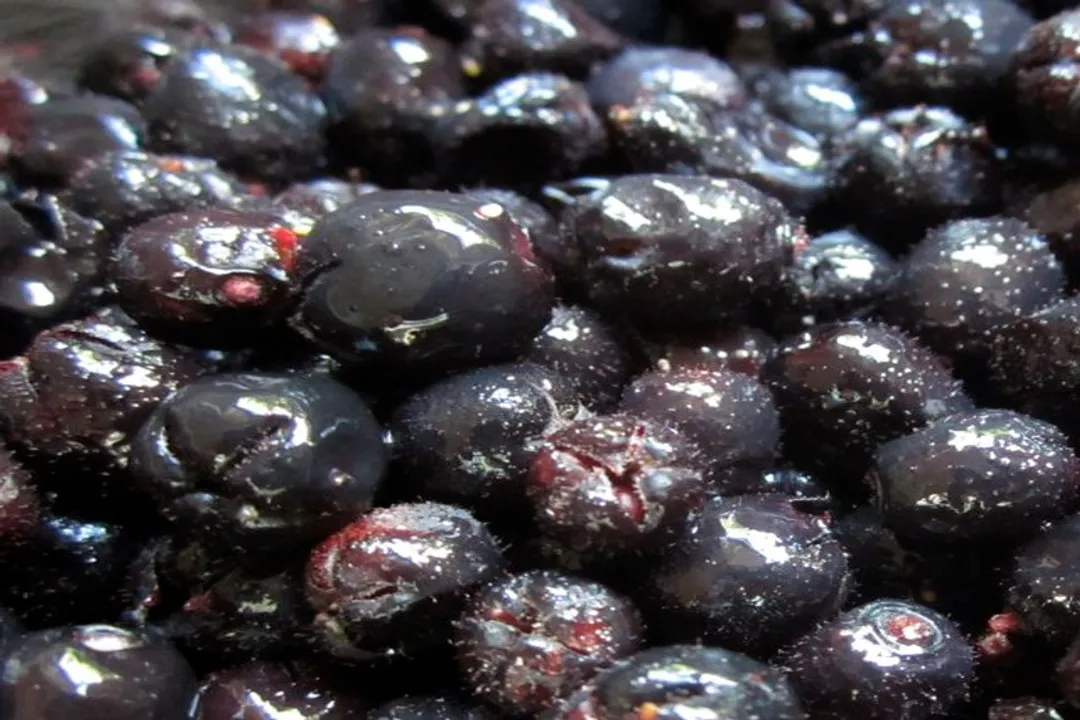
Recent scientific attention has focused on the berry's antioxidant profile, finding it rich in flavonoids and anthocyanins—the latter being roughly one-and-a-half times higher than in blueberries. [7] However, the leaf itself carries the plant’s most direct historical medicinal reputation, focused on its ability to constrict and dry tissues. [4][5]
# Respiratory and Digestive Relief
The systemic application of salal tea capitalizes on its dual astringent and anti-inflammatory capabilities, aiming to treat irritation across mucous membranes. [3] For those suffering from respiratory distress, such as that associated with common colds, the tea is employed to address the inflammation within the sinuses and lungs. [2][3][7] By helping to reduce the fluid buildup causing congestion, the tea aims to restore clearer breathing. [6]
Internally, this astringent quality extends to the upper intestinal mucosa and the throat. [3] Traditional practitioners have used salal preparations to address a variety of gastrointestinal issues, including indigestion, colic, and various forms of diarrhea. [2][3][5] Michael Moore, a noted herbalist, observed that the tea works both locally on the throat lining and systemically through the bloodstream to affect the sinuses and lungs. [3] This systemic effect also covers issues like gastritis and even stomach or duodenal ulcers, where its ability to modulate inflammation is thought to bring relief. [4][5]
A key area where the leaf preparation is considered specific is the urinary tract. [4] A tea made from the dried leaves is suggested to reduce inflammation within the bladder itself, making it useful for managing pain associated with urinary tract infections or cystitis, particularly when that discomfort persists after urination. [4][5]
It is fascinating to observe how the same chemical mechanism—astringency—is applied to seemingly opposite conditions. Where a condition involves excess moisture or irritation, like diarrhea or weeping eczema, salal is used to dry and tone. [4] Yet, when used internally via tea for systemic inflammation in the lungs or urinary tract, this same drying action is believed to help resolve the underlying inflammatory swelling rather than causing dehydration, provided the use is moderate and short-term. [4][6] This dual-use profile—drying excess weeping moisture while soothing deep internal irritation—highlights a nuanced understanding of how the plant was integrated into traditional healing practices for diverse ailments. [1][4]

# Topical Applications
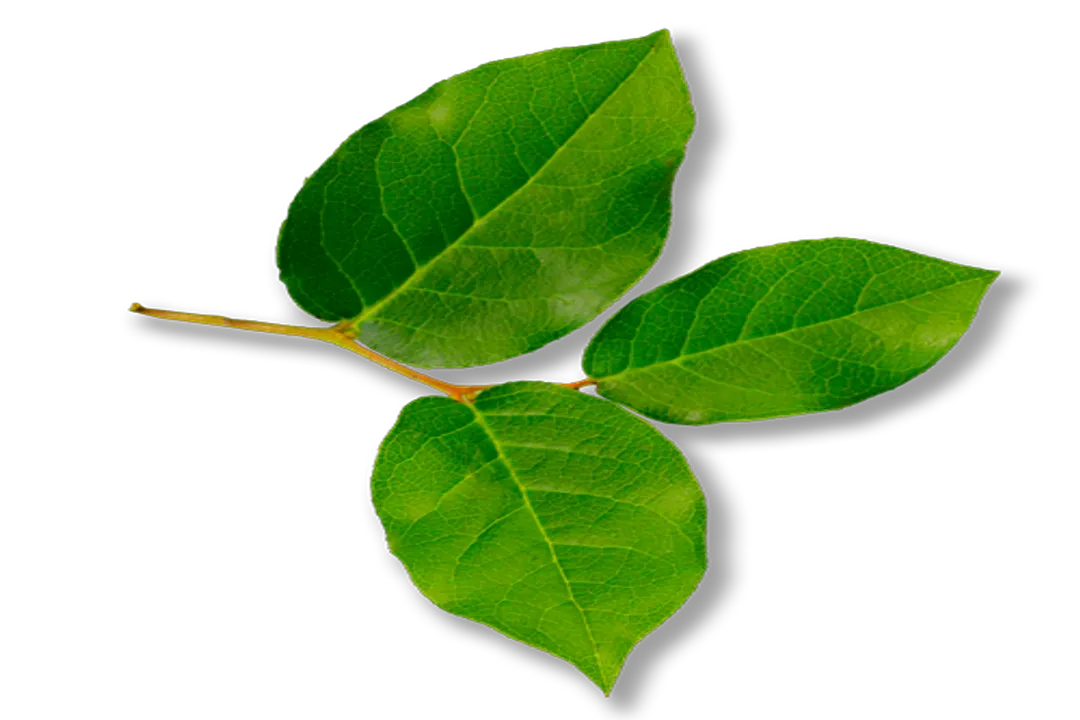
Beyond internal teas, the leaves have a notable history as a topical remedy used by various Coast Salish Peoples. [1] The Klallam, Bella Coola, and Quileute people historically chewed the leaves and applied the resulting moist poultice directly onto burns and sores. [1][2] This likely served two purposes: the cooling energy of the plant provided immediate symptomatic relief, while the astringency began to contract the damaged tissue. [4]
Today, this topical use continues, often recommended for any moist skin condition that needs to be dried out while inflammation is reduced. [4] It is considered an excellent first-aid wash for minor cuts, abrasions, insect bites, and stings. [3][4][5]
Perhaps one of its most specific topical recommendations relates to poison oak. [4] Due to its astringent properties, a strong salal tea, sometimes used as a lukewarm bath or a localized fomentation, is thought to be one of the best treatments when the skin is broken, moist, and itchy. [4] Furthermore, when the leaves are dried and ground into a powder, they can act as a hemostatic agent to help stop minor bleeding, alongside providing some analgesic relief. [4]
# Salal Berries Beyond Food
While the leaves are central to treating acute inflammation, the berries Gaultheria shallon offer a different set of benefits, mostly centered on nutrition and preservation. [1][7] The berries, which ripen in late summer, are described as earthy, mealy, and sometimes bland, but they are nonetheless a significant traditional food source. [1][7]
What makes the berries chemically interesting is their high concentration of antioxidants, including tannins and flavonoids. [7] This high antioxidant load is theorized to be the plant’s mechanism for protecting the fruit; salal berries are unusual because they can remain on the bush all winter without developing mold. [7] This inherent quality translates directly into a practical benefit for human consumption: preservation power. [1]
Historically, Coast Salish peoples mashed and dried these berries into loaves or cakes, sometimes weighing up to 10–15 pounds, which were stored for winter consumption. [1][3] This ancient method of food security relied on the berries’ natural resistance to spoilage. [3] In modern preparation, adding even a quarter to a third salal berries to other fruit leathers, such as those made from thimbleberry or blackberry, significantly speeds up the drying process and increases the shelf life of the final product. [1][3] While cooking the berries speeds drying, it can compromise heat-sensitive nutrients like Vitamin C. [3]
The berries themselves are also described as efficient appetite suppressants. [2][8] They contain energizing nutrients, vitamins, minerals, and even protein and Omega 3 fatty acids in the seeds. [3] Though their flavor profile can be inconsistent depending on sunlight and soil, they can be made delicious in jams, pies, or simply eaten fresh. [1]

# Cultivation and Caution
Salal is highly adaptable, thriving in moist, shady conifer forests but also tolerating sunnier spots with good drainage. [1][8] It is hardy enough to be used widely in landscaping and is the source of the commercial foliage known as "Lemon Leaf" sold worldwide for floral arrangements. [8] For the herbalist or home preparer, gathering the leaves is best done in late spring to summer when they are young and green. [1][4] They must be dried completely—until they are crackly when crushed—and stored away from light and moisture to maintain their potency for years. [1]
When approaching salal as a medicine, there is a clear directive for moderation, particularly regarding the astringent leaf preparations. [4] Because its action relies on drying out tissues, one must be mindful of excessive use. [4] If an individual begins to experience unusual thirst or constipation, it is recommended to cease using the leaf preparations, as this signals that the body is becoming overly dried out. [4] The recommendation for short-term application, especially for acute issues like diarrhea or a flare-up, over long-term daily use, is a sound cautionary note that reflects the plant’s powerful contracting action. [4][5]
The widespread natural availability of salal in the Pacific Northwest means that it remains one of the most accessible resources for plant-based care in the region. [1] It serves as a reminder that some of the most effective remedies are often those that grow underfoot, requiring only simple processing—like creating a 20-minute infusion—to be ready for use. [1][3]
Related Questions
#Citations
Salal — Elise Krohn | Wild Foods and Medicines
Native uses of salal - Lake Wilderness Arboretum
[PDF] Salal - OSPI
SALAL - Witch in the Woods Botanicals
Salal berry benefits - University of Victoria
Salal Leaves - Wilderness Rim Association
Intro to Salal (Gaultheria shallon) - Cedar Mountain Herb School
Gaultheria shallon - Wikipedia