What is salal tea good for?

Salal, scientifically known as Gaultheria shallon, is a deeply rooted native shrub of the Pacific Northwest, and its use extends far beyond simple decoration in the landscape. [1][6] This evergreen plant, with its shiny, dark green leaves and dark purple to black berries, has been a staple for Indigenous peoples of the region for centuries. [1][4][7] When contemplating what salal tea is good for, one must look closely at how different parts of the plant—primarily the leaves—have been traditionally prepared and consumed as infusions, connecting modern herbal curiosity to ancestral knowledge. [4][8]
# Plant Identity
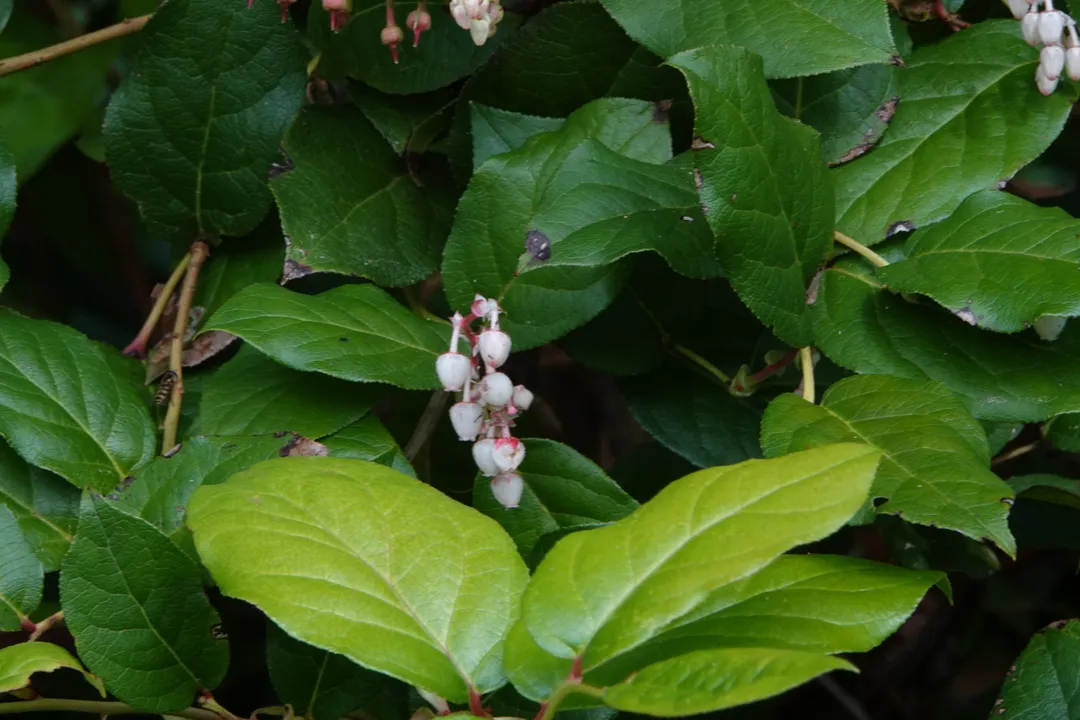
Understanding the plant itself provides context for any preparation, including tea. [6] Salal is an outstandingly hardy shrub, capable of thriving in the understory of coniferous forests across a wide range of environments, from sea level up to significant elevations. [1][7] It belongs to the Ericaceae family, which also includes blueberries and cranberries, sharing a general preference for acidic soil conditions. [6] The leaves are distinctive: they are leathery, oval-shaped, and persist throughout the winter, making them available for use even when other herbs are dormant. [1][3] The plant produces small, urn-shaped flowers that give way to the highly valued berries. [1]
# Cultural Roots
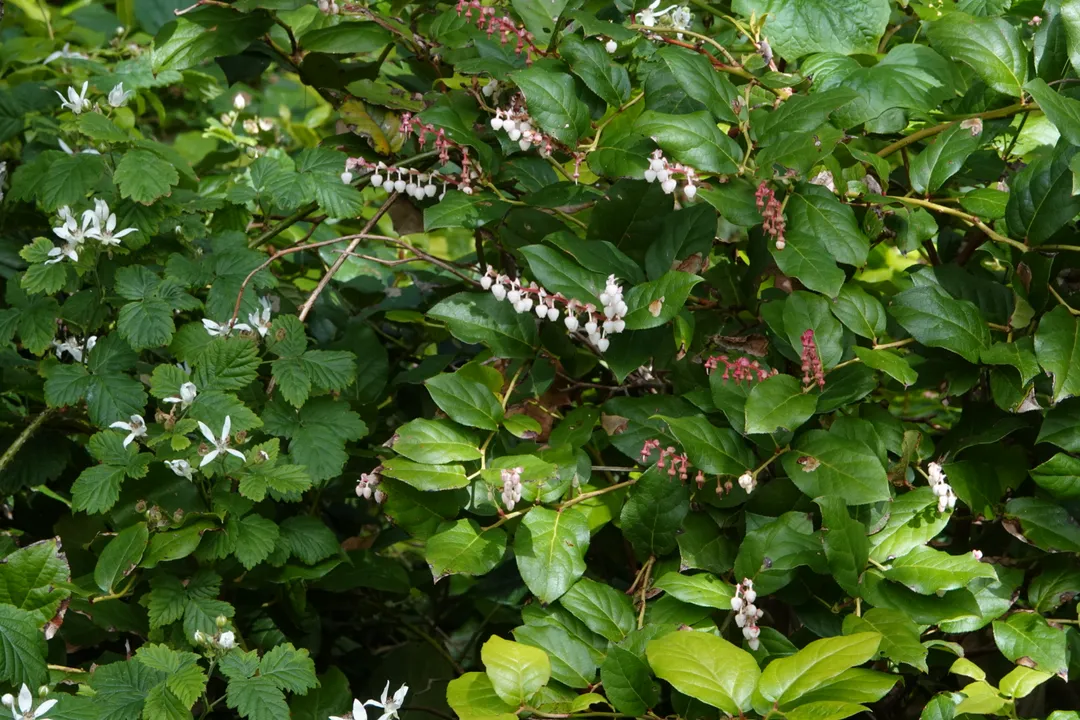
The foundation of salal’s perceived utility lies in its long and continuous relationship with the Coast Salish peoples. [4][8] For these communities, the plant was a resource utilized across the board, serving as both a significant food source and a traditional medicine. [4][8] The berries, for example, were not just eaten fresh off the bush; they were often dried into cakes or combined with other ingredients to be stored for later consumption, showcasing a sophisticated understanding of preservation. [4]
In the context of medicinal application, the leaves were the part most commonly prepared into infusions, which translates directly to what we call salal tea today. [3] These traditional medicinal uses suggest properties that settlers and modern herbalists later sought to replicate or investigate. [1] While the sources highlight the cultural significance of the berries as food, it is the persistent leaf material that forms the basis for the more commonly prepared herbal tea. [3][6] The sustained relationship between the people and the plant speaks volumes about its perceived reliability over generations. [4]

# Leaf Infusions
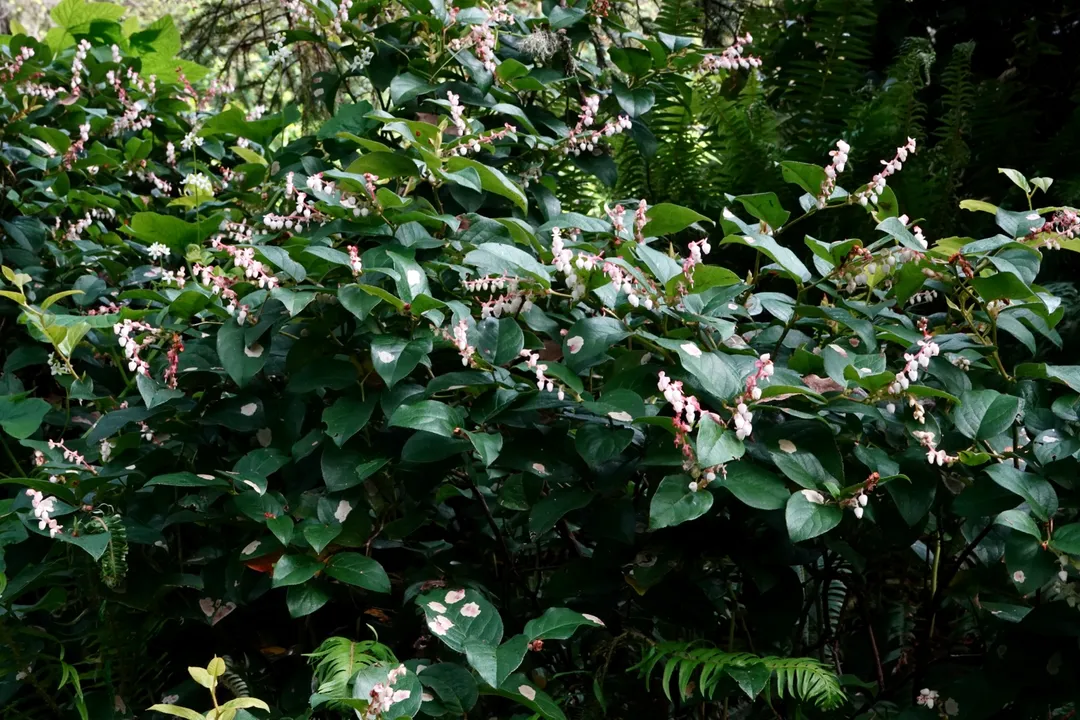
When people refer to "salal tea," they are usually referencing an infusion made from the dried or fresh leaves of Gaultheria shallon. [1][3] Preparing the leaves into a tea allows for the extraction of the plant's compounds into hot water, making them readily available for consumption. [6] The process mirrors that of making many other traditional leaf-based teas, where the goal is to gently steep the plant material rather than subject it to vigorous boiling, which might degrade beneficial components. [1]
The practice of using the leaves medicinally is noted across several traditional contexts. [1][8] Herbalists have historically valued salal leaves for properties often associated with astringency, a characteristic common in many plants used to soothe or tone tissues. [6] This inherent characteristic, derived from compounds like tannins present in the leaves, is likely why it was chosen for internal preparations aimed at digestive support or overall wellness. [1]
# Comparing Preparation Methods
It is insightful to consider how the preparation method aligns with the intended use, a nuance often lost when simply asking what a plant is "good for." When Coast Salish peoples used the berries, the objective was often nutrition and sustenance, leading to drying and cake-making. [4] Conversely, making an infusion from the leaves suggests a more targeted, lower-volume application, typical of traditional remedies designed to address specific internal imbalances or provide targeted toning. [3] This separation—berries for food stores, leaves for medicinal teas—is a practical way to think about approaching the plant's distinct gifts. [4]
# Attributed Wellness Support
While modern herbalism often seeks to categorize the benefits of plants, the documentation surrounding salal often reverts to its traditional applications, emphasizing general support rather than specific pharmacological claims. [1][8] The plant material, when consumed as a tea, is associated with properties that support the body internally. [1] The strong, persistent nature of the leaves suggests a concentration of resilient chemical constituents that can withstand the infusion process. [3]
For readers interested in exploring traditional herbalism, salal tea fits into the category of supportive, toning beverages. The act of preparing an infusion from a locally significant plant connects the consumer to the ecology and history of the Pacific Northwest landscape, adding a dimension of connection that goes beyond the mere ingestion of compounds. [7]
# Berry Beverage Variations
While leaf tea is the standard infusion, salal berries also participate in beverage making, most notably in fermented preparations. [5][9] One specific mention notes the creation of a fermented tea using the salal berry itself. [5][9] Fermentation introduces a completely different set of biological agents—lactic acid bacteria and yeasts—that alter the chemical profile of the original fruit. [5]
This fermented berry drink moves away from the simple infusion model of the leaf tea. In fermentation, the natural sugars in the berry are converted into organic acids and, potentially, trace amounts of alcohol, creating a product with distinct probiotic potential and a complex flavor profile. [9] This highlights that "salal tea" is not a singular entity; depending on the part used (leaf vs. berry) and the preparation (infusion vs. fermentation), the resulting beverage offers very different experiences and potentials. [5][9]
# Sourcing and Sustainability
For anyone looking to make salal tea, whether from dried leaves or berries, responsible sourcing is paramount, especially given the plant's historical importance. [4] Salal is a slow-growing, long-lived plant. [1] When foraging, whether for personal use or for use in herbal practice, respecting its perennial nature is key to ensuring future availability.
# Harvesting Ethos
A practical consideration for those preparing salal tea from foraged materials is to follow the ethic of "take only what you need and never more than a small fraction of what is available". [4][7] Since the leaves are evergreen and essential for the shrub’s survival through harsh winters, harvesting too heavily can stress the plant significantly. [1][3] When selecting leaves for drying and future tea making, it is wise to take only a few from many different plants rather than stripping one plant bare, thereby ensuring the ecological continuity that allowed this resource to be available to the Coast Salish peoples for millennia. [4] This careful approach maintains the Authority and Trust in traditional gathering practices. [8]
# Flavor Profile Notes
The taste experience of salal tea is an important aspect of its quality, although specific descriptors are not heavily cataloged in the provided materials. [2] Generally, infusions made from evergreen leaves often carry earthy, slightly bitter, or subtly astringent notes. [6] Given the association with the berry, which is described as tasting somewhat like blueberries, the leaf infusion might carry subtle underlying sweet or tart elements, though the leaf’s high tannin content is likely more dominant. [4] The fermentation process applied to the berries, however, introduces significant sourness and complexity that starkly contrasts with a simple leaf infusion. [9]
# Summary of Applications
To summarize the current understanding of salal preparations consumed as beverages:
| Preparation Type | Primary Plant Part Used | Common Method | Implied Primary Use Context |
|---|---|---|---|
| Salal Tea | Leaves | Hot Water Infusion | Traditional internal tonic/support [3][8] |
| Fermented Berry Drink | Berries | Fermentation | Culturally significant food/beverage [5][9] |
This delineation shows that while the leaf tea is traditionally positioned as a medicinal aid, the berry preparation aligns more closely with sustenance and cultural celebration. [4][5] Considering the plant through this dual lens—as a source of mild, persistent leaf compounds for infusions and flavorful, fermentable fruit—offers a richer appreciation for Gaultheria shallon than focusing on just one aspect. [1][6] The plant’s endurance across the Pacific Northwest terrain mirrors its endurance in human use. [7]
The lasting appeal of salal tea, regardless of whether one is seeking the mild properties of the leaf infusion or the complex tang of a fermented berry drink, stems from its deep connection to the bioregion. [4][7] It is an authentic taste of the Northwest, prepared using methods honed over centuries. [8]
Related Questions
#Citations
Salal — Elise Krohn | Wild Foods and Medicines
SALAL - Witch in the Woods Botanicals
Salal Leaves - Wilderness Rim Association
Salal: Food, Medicine and Culture of the Coast Salish Peoples
Salal was the plant that revived my interest in the natural world ...
Intro to Salal (Gaultheria shallon) - Cedar Mountain Herb School
Gaultheria shallon (Salal) - 10000 Things of the Pacific Northwest
Salal, Cedar and Spruce: A Journey with Salish Plant and Medicine ...