Are salal berries a laxative?
The query surrounding salal berries often centers on their digestive impact, specifically whether they possess a laxative quality. Based on the historical and contemporary uses documented for Gaultheria shallon, the evidence leans decidedly away from this property. In fact, the preparation of the plant’s various parts suggests that salal is more often employed to reduce digestive upset than to induce it. [2]
The plant itself, a common evergreen shrub of the Pacific Northwest, offers both leaves and berries for consumption, though their effects are not identical. [1][4] When examining native and herbal uses, one finds a consistent theme of astringency, especially concerning the leaves, which is the functional opposite of a laxative agent.
# Leaf Astringency
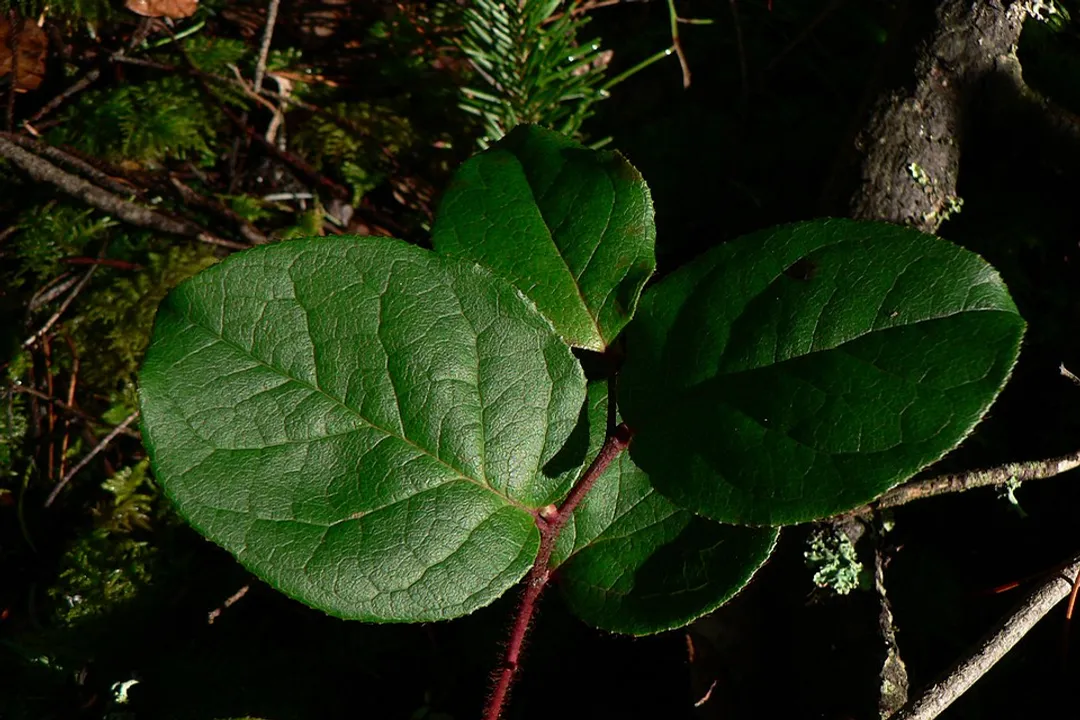
Salal leaves are rich in tannins, which impart a pronounced astringent taste and action. [1] In herbal tradition, astringents work by toning and constricting body tissues, which is precisely what one seeks when managing issues like diarrhea or inflammation in the mucous membranes. [3][4] A simple hot infusion or tea made from the dried leaves has been noted for its efficacy in treating diarrhea, alongside issues like sore throats, sinus infections, and general gastrointestinal flare-ups due to food sensitivity. [1][3]
This astringent quality is so significant that the leaves are considered one of the best treatments for poison oak when the skin is moist and itchy, as they help dry out the affected area. [1] This drying action on external skin directly correlates with the internal effect of firming up overly loose intestinal activity. The documented medicinal use of salal leaf tea to ease diarrhea strongly suggests that the plant, in this preparation, functions as a mild binder or anti-diarrheal agent, not a laxative. [3][4]
Furthermore, this astringent effect can manifest negatively if the herb is overused. One source warns that salal (referring generally to the herb, likely the leaves given their drying nature) "can be super drying and dehydrating. Stop if you become thirsty or constipated". [1] This caution reinforces the primary characteristic of the leaf preparation: it has the potential to slow things down too much, leading toward constipation rather than promoting evacuation.
# Berry Consumption
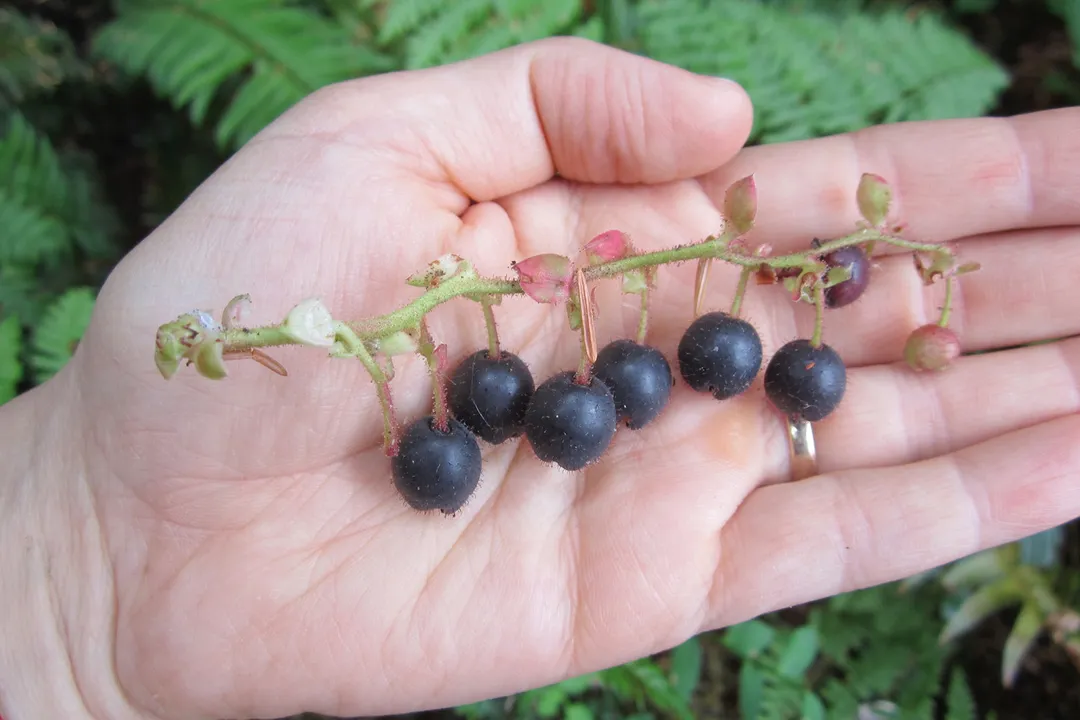
The berries, which mature to a dull blue-black color in late summer or early fall, have been a crucial food resource for Indigenous peoples of the Coast Salish region. [1][2][4] Unlike the leaves, which are often dried for medicine, the berries were eaten fresh, or preserved by mashing and drying them into cakes or loaves, sometimes weighing ten to fifteen pounds. [2][3] This preservation method speaks to their value as a staple, energy-dense food, containing good quality fats, vitamins, and minerals that provide endurance. [2]
When looking for a laxative effect, one usually associates it with high quantities of easily digestible fruit or high-water-content foods. Salal berries, however, are described as being notably mealier than many other wild berries. [3] People report feeling satiated after consuming even a small amount. [3] This mealiness, which is essentially bulk or fiber, often contributes to a feeling of fullness and satiety, characteristics more commonly associated with foods that aid in healthy regularity rather than forcing a laxative response.
Traditional medicinal uses for berry preparations also align with a binding effect. An infusion made from the berries was historically used to treat colic and, significantly, diarrhea. [2] If the berries were frequently causing loose stools, it is highly unlikely they would have been relied upon as a primary treatment for existing diarrhea.
It is interesting to compare salal to other plants used medicinally in the same ecological region. For instance, Labrador Tea (Ledum groenlandicum), another Northwest native sometimes found in boggy areas, is noted that excessive consumption of its tea can act as a cathartic. [6] A cathartic is a substance that aggressively purges the bowels, often meaning it acts as a strong laxative. The fact that sources specifically attribute this known purgative effect to a different local plant, while describing salal with astringent and diarrhea-treating properties, provides a strong contrast that supports salal not being a laxative. [6] The traditional knowledge clearly separates the properties of these two distinct plants.

# Processing for Food
The way the berries were processed further suggests an attempt to manage texture and shelf-life rather than induce digestive distress. They were mashed and mixed with other, often juicier, berries like thimbleberry or wild blackberry to create fruit leather or cakes. [3] The addition of salal, even at a proportion of 25% to other fruits, was noted to increase the shelf life of the resulting fruit leather. [3] This effect is often attributed to the tannins present, similar to how they act in the leaves, suggesting the berries themselves carry some level of astringency that aids in preservation by inhibiting spoilage.
For modern consumption, berries are made into jams, pies, or shrubs (drinking vinegars). Shrubs, made by combining fruit with sugar and vinegar, are typically diluted heavily before drinking, meaning the concentration of berry material in the final beverage is low. Even when made into a shrub, the flavor is described as tart, sweet, and thirst-quenching, with no mention of stimulating bowel activity.
The mealier, potentially drier nature of the fruit when eaten fresh, combined with its historical use in dried cake form, suggests that large quantities might lead to slower digestion due to the fiber content, rather than immediate laxative results. When incorporating any wild food into a regular diet, understanding the general bulk/fiber profile is key. If you are adding significant amounts of any mealy fruit or dried foodstuff to your diet suddenly, your body may react to the change in fiber intake—this is a general digestive adjustment, not a specific medicinal laxative property attributable to the salal berry itself. For instance, someone accustomed to very low-fiber diets might experience noticeable changes in transit time simply from eating several handfuls of the dense, dried berry cakes, though this would be a result of added bulk, not chemical stimulation.
# Botanical Context and Identification
Understanding the plant's structure helps contextualize its uses. Salal (Gaultheria shallon) is an evergreen shrub that forms dense thickets in moist, shady coastal forests. [1][4] Its leaves are thick, leathery, waxy, and dark green, characteristics that allow them to retain moisture through dry periods and resist browsing—properties that parallel the astringent nature observed when they are consumed medicinally. [1][4]
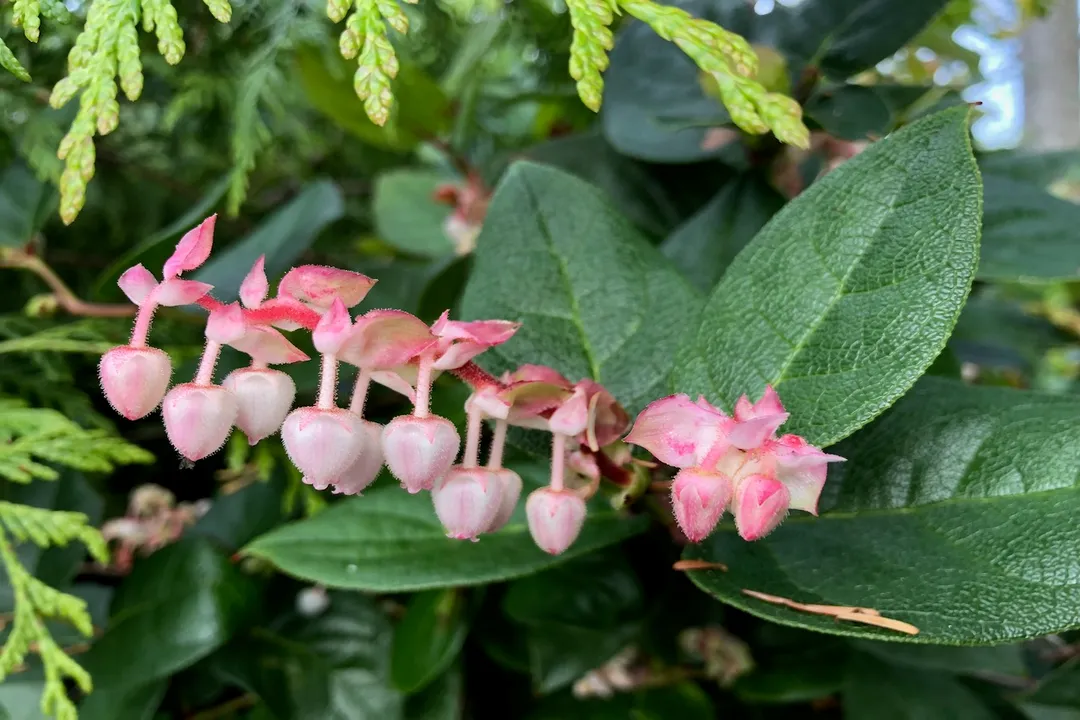
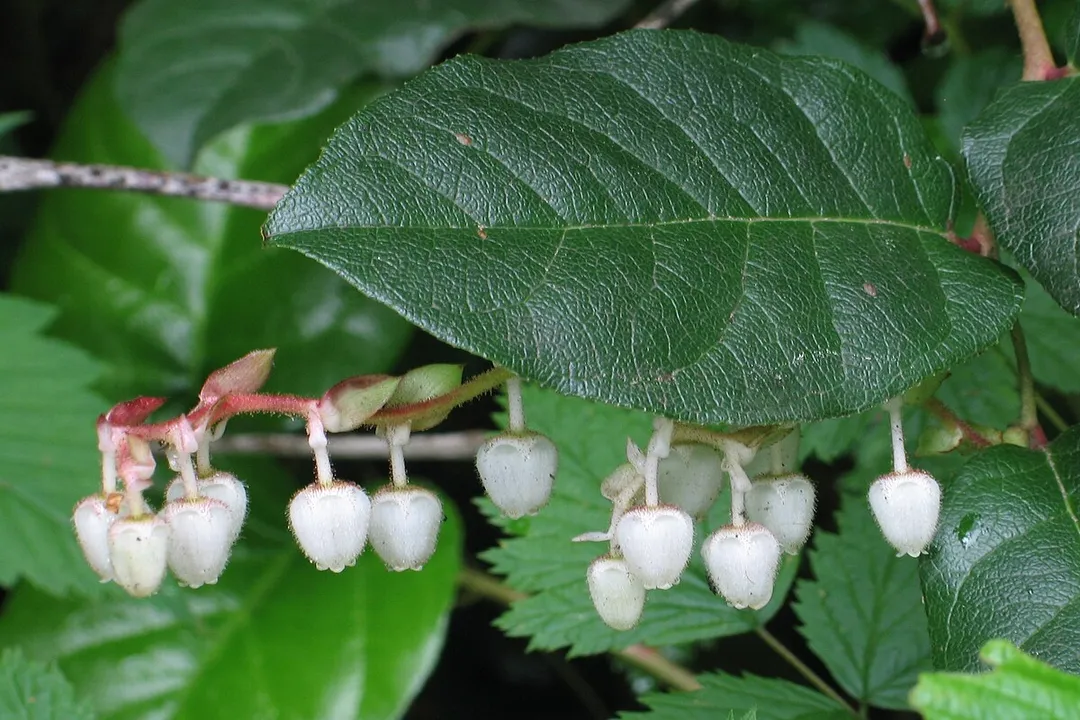
The flowers are small, pink, urn-shaped bells, followed by the fruit. [1] The ripe berries are nearly spherical and slightly hairy, displaying a five-pointed star shape on the underside. [4] The plant is quite long-lived, with twigs potentially surviving for sixteen years or more, cementing its role as a steadfast component of the forest understory. [4] This resilience in the face of environmental wear and tear is sometimes used as a metaphor for the endurance the berries are said to provide when eaten.
For those seeking to forage, knowing the difference between the leaves and berries is vital, as the medicinal applications are distinct. While the leaves are harvested young and green in late spring or summer for drying into tea, the berries are best gathered when deep blue, plump, and tasty, typically between July and August. [1][3] When harvesting berries, tasters often recommend trying a few first, as flavor quality varies significantly based on soil and sun exposure, ranging from "delicious" to "bland and boring". [3]

# Digestive Summary
In summary, the plant material of Gaultheria shallon appears to possess properties that would counteract the symptoms of diarrhea rather than induce a laxative effect. The leaves are prized for their high tannin content, making them astringent and anti-inflammatory for the digestive tract. [1][3] The berries, while a valued food staple consumed fresh or preserved, were historically made into infusions to treat diarrhea. [2] There is no mention in the consulted sources that salal berries are used, either traditionally or in modern herbal practice, as a specific laxative. Instead, their mealiness contributes to satiety and bulk, and their tannins may aid in preservation, all suggesting a tendency toward binding or firming up the digestive system when used therapeutically. If someone experiences a laxative effect from eating them, it is more likely related to an individual sensitivity to the high fiber content when consuming them in large, uncharacteristic quantities, rather than the plant possessing inherent laxative compounds.
Related Questions
#Citations
Native uses of salal - Lake Wilderness Arboretum
[PDF] Salal - OSPI
SALAL - Witch in the Woods Botanicals
[PDF] Salal Gaultheria shallon - Stillaguamish Tribe
Plant of the Month: Salal - GRuB: Garden Raised Bounty
Gaultheria shallon - Wikipedia