What medicine did the Filipino discover?
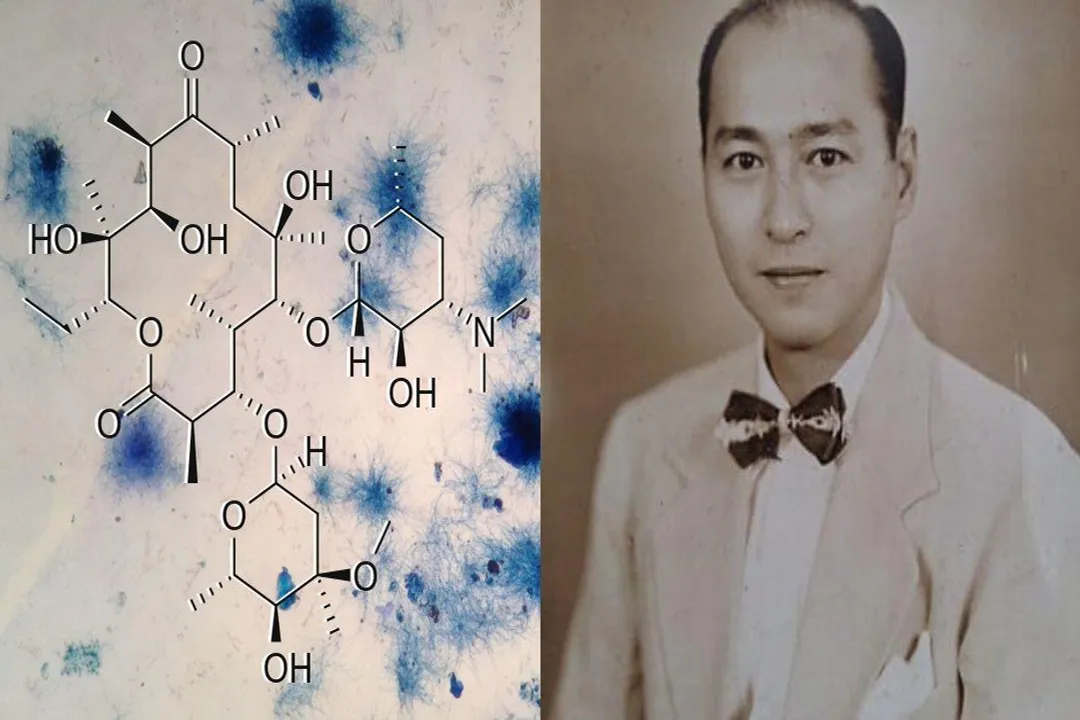
The story of modern medicine contains many names that appear in textbooks, yet several contributors remain absent from the standard narrative. One such individual is Dr. Abelardo Aguilar, a Filipino physician whose work led to the creation of a medication used by millions of people. [1][2] While his name is not as globally recognized as Alexander Fleming, his contribution to the field of infectious disease treatment is substantial. [8]
# The Discovery
In 1949, Dr. Aguilar worked as a medical representative for the pharmaceutical company Eli Lilly. [1] While stationed in Iloilo, Philippines, he decided to collect soil samples from his backyard. [8][9] He possessed a keen interest in soil microbiology, a field that was yielding immense results for researchers searching for new bacteria that could produce natural antibiotics. [2] Aguilar sent these samples to the headquarters of Eli Lilly in the United States, unaware that the specific strain of bacteria he isolated would change the direction of antibiotic therapy. [1][5]
The bacterial strain he discovered, Streptomyces erythraeus, produced a powerful substance capable of inhibiting the growth of various pathogens. [3] Eli Lilly researchers analyzed the samples and successfully isolated erythromycin. [2] This antibiotic proved effective against a broad range of Gram-positive bacteria. [3] It quickly became a vital alternative for patients who suffered from allergies to penicillin, providing a safe option for treating respiratory, skin, and soft tissue infections. [3][8]
# Medical Importance
Erythromycin acts as a bacteriostatic agent, meaning it prevents the reproduction of bacteria rather than killing them outright, which allows the immune system to eliminate the infection. [3] Its development offered a distinct advantage during the mid-20th century, a time when penicillin resistance was beginning to emerge in clinical settings.
The following table compares erythromycin with other common antibiotic classes to provide context on why it became such a staple in medical kits.
| Antibiotic | Primary Use Case | Target Organism |
|---|---|---|
| Erythromycin | Respiratory & skin infections | Gram-positive bacteria |
| Penicillin | General bacterial infections | Gram-positive bacteria |
| Tetracycline | Acne, Lyme disease | Broad-spectrum |
| Sulfonamides | Urinary tract infections | Broad-spectrum |
Patients who cannot tolerate beta-lactam antibiotics often rely on macrolides like erythromycin as a first-line defense. This drug serves as a classic example of how pharmaceutical innovation often begins with a simple observation in nature rather than a complex laboratory synthesis.
# Intellectual Property
The relationship between the discoverer and the commercial developer became a point of contention in the years that followed. Although Aguilar was the person who identified and sent the crucial soil sample to the company, he was not credited in the initial patent filings. [1] He expected some form of recognition or compensation for his role in the discovery, especially given the eventual massive success of the drug on the market. [5] Decades later, in his retirement, he attempted to secure royalties and acknowledgment, but he faced legal and corporate barriers that prevented him from achieving the recognition he sought. [1][8]
This situation highlights a common challenge in medical research during the mid-1900s: the lack of clear protocols for attributing credit to researchers operating outside of centralized corporate laboratories. When independent researchers or representatives contribute raw data or biological samples that lead to profitable discoveries, the legal burden often rests on the originator to prove their claim against well-resourced organizations.
For those engaging in scientific research or commercial partnerships today, this historical case serves as a reminder of several necessary steps:
- Documentation: Keep detailed logs of all samples sent, including dates, specific locations, and original notes, stored in a secure, digital format.
- Agreements: Always verify the existence of a Material Transfer Agreement (MTA) before sharing biological specimens with outside entities.
- Intellectual Property Audit: Ensure that any contribution to a discovery is clearly defined in legal terms before the research enters the development phase.
These precautions help prevent the type of exclusion that Dr. Aguilar faced, ensuring that the innovators behind the science retain a connection to their work.
# Research Analysis
The discovery of erythromycin in Iloilo was not an accident; it was the result of a calculated effort to survey diverse environments for antibiotic potential. In the 1940s and 1950s, soil sampling was the primary method for finding new drugs. By examining the soil, Aguilar engaged in a practice that defined the "Golden Age of Antibiotics." He sought to identify local bacterial strains that could withstand the harsh environment of the tropics, which is a key reason his sample was unique. [8]
While the corporate world often prioritizes patent ownership, the scientific community recognizes that the origin of a molecule is just as important as its synthesis. The bacteria isolated from the soil in Iloilo became the foundation for a drug that saved countless lives, particularly in pediatric and geriatric medicine, where safe antibiotic options are sometimes limited. [3]
# Filipino Contributions
The story of Dr. Aguilar is often cited in discussions regarding the broader influence of Filipino professionals in the global medical field. [4] From nurses to doctors, Filipinos have played a part in patient care and clinical research across the world. [4] The case of erythromycin is frequently discussed in the Philippines as a matter of national pride, serving as a reminder that significant scientific breakthroughs can originate from local initiative, even if the systemic acknowledgment lags behind. [6][7]
Understanding this history provides a clearer view of how drugs are brought to market and the human stories behind the medicine cabinets in homes. Erythromycin remains a standard treatment, and its existence is tied directly to a doctor who, despite the lack of initial credit, performed the work required to identify a life-saving natural compound. [1][3]
Related Questions
#Citations
Abelardo Aguilar - Wikipedia
The Filipino Doctor Behind a Life-Saving Antibiotic One ... - Facebook
What is Erythromycin used for? - Patsnap Synapse
Filipino American History Month - Angeles Institute
The Filipino Doctor Who Helped Discover Erythromycin (But ... - Reddit
The Filipino Doctor Behind a Life-Saving Antibiotic One ... - Instagram
The Ilonggo who discovered erythromycin—and got shafted for it
The Story of Abelardo Aguilar, the Filipino Who Helped ... - YouTube