How to use fresh thyme medicinally?

This humble herb, often relegated to the spice rack for flavoring roasted chicken or hearty stews, possesses a significant history as a traditional medicine. When we talk about using fresh thyme medicinally, we are tapping into a lineage of herbal practice where the plant's potent chemistry offered relief for ailments ranging from nagging coughs to minor skin irritations. [1][7] Understanding how to transition it from the kitchen to a targeted remedy requires knowing what makes it effective and how to safely prepare it for internal or external applications. [6]
# Key Components
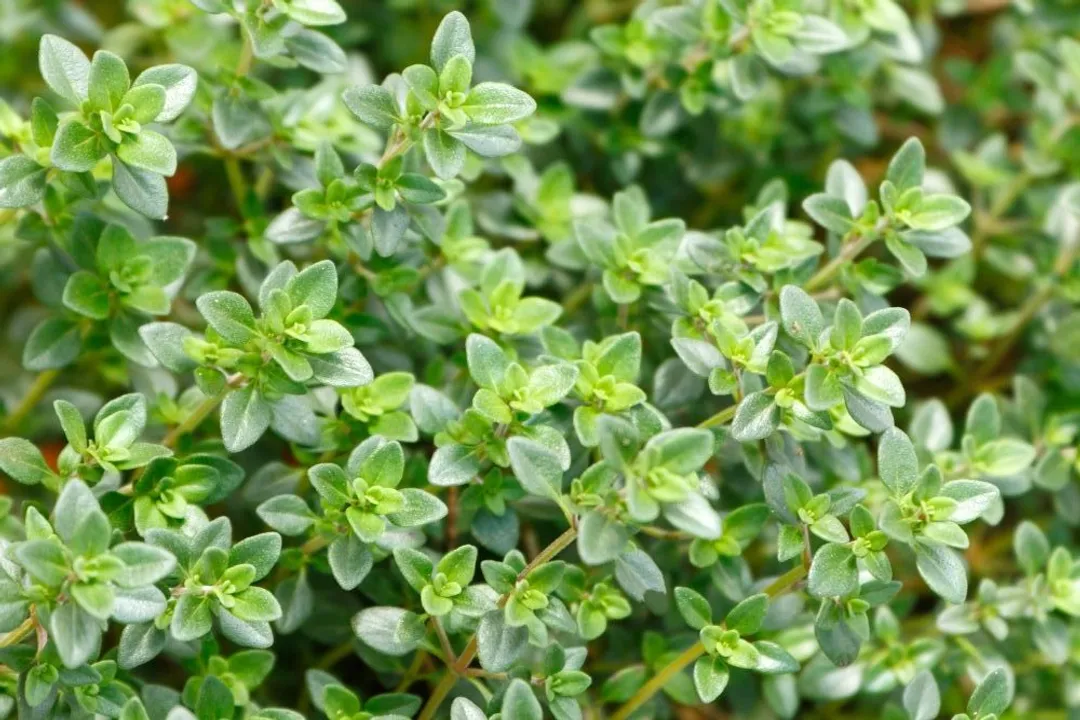
The medicinal reputation of Thymus vulgaris is largely attributed to its essential oil, which contains powerful phenolic compounds, most notably thymol and carvacrol. [1][5] These active constituents are recognized for their strong antiseptic, antifungal, and antibacterial capabilities. [1][3][5] Thymol, in particular, is often cited for its efficacy against various microbes. [1]
Beyond the essential oils, the fresh leaves themselves pack a nutritional punch that supports overall wellness. Thyme is a notable source of Vitamin C, a key player in immune function, and Vitamin A. [1][3] It also delivers important minerals like manganese and iron, alongside a substantial amount of Vitamin K, which is essential for blood clotting and bone health. [1][3] When consuming thyme regularly, whether through cooking or specific preparations, you introduce these valuable micronutrients to your system. [3] It’s important to recognize that while culinary use offers baseline nutritional support, concentrated forms like teas or infused oils deliver higher therapeutic doses of the phenols, which target specific symptoms. [7]
# Cough Aid
Perhaps the most historically recognized medicinal application of thyme involves respiratory complaints. [1][3][4] It has long been employed as an expectorant and antispasmodic agent, helping to ease persistent coughing fits associated with colds, bronchitis, and even whooping cough. [1][7] The compounds in thyme are believed to help relax the bronchial muscles, making breathing easier, while simultaneously helping to clear mucus from the airways. [1][3]
If you are dealing with a heavy, rattling chest cough, brewing a strong infusion—essentially a thyme tea—is a straightforward way to introduce these beneficial properties directly to the respiratory system through steam inhalation and ingestion. [4][7]
When comparing preparation methods for respiratory support, the goal shifts slightly between passive consumption and active inhalation:
| Preparation Method | Primary Mechanism | Best For |
|---|---|---|
| Culinary Use (In Soup/Stew) | Gentle systemic support; passive steam inhalation | Mild cold symptoms; ongoing support |
| Strong Infusion (Tea) | Direct expectorant action; concentrated steam inhalation | Acute, chesty coughs |
| Herbal Vapor (Steeped & Inhaled) | Intense decongestion via direct steam | Blocked sinuses or severe congestion |
For a simple infusion to address a cough, you might steep about two teaspoons of fresh or dried thyme in one cup of boiling water for around ten minutes. [4] Sipping this slowly allows the warm vapors to work on the throat and chest congestion immediately.

# Stomach Help
Thyme’s gentle yet firm action extends to the digestive tract. Traditionally, it has been used to soothe stomach discomfort, alleviate issues like indigestion, and calm cramping. [1][3][5] Its antispasmodic qualities can help relax the smooth muscles lining the gut, potentially easing the associated discomfort that follows heavy meals. [3]
For this purpose, a mild infusion taken shortly after eating can be quite helpful. Unlike high-strength essential oils which should generally be avoided internally unless under professional guidance, a simple herbal tea made from fresh leaves offers a safe way to encourage better digestion. [4][7] Think of it as an aid to settle things down when the stomach feels agitated or slow after a meal, rather than a cure for chronic digestive disease. [5]
# Topical Care
The natural antimicrobial properties that help fight internal invaders can also be directed outward to support the skin and scalp. [1][3] When applied topically, thyme preparations can assist in managing minor cuts, scrapes, or superficial skin infections due to its antiseptic nature. [5]
For oral health, an infusion or mouth rinse made from thyme can target bacteria associated with bad breath (halitosis) and gum inflammation like gingivitis. [1][3] This is one area where the concentration matters; a standard tea rinse used after brushing may provide a refreshing, germ-fighting benefit. [1]
Furthermore, thyme preparations have found their way into traditional remedies for dandruff, suggesting its antifungal action may help manage the scalp conditions that lead to flaking. [5] When addressing the skin, it is crucial to use a well-strained, cooled infusion or a carrier oil infusion, never undiluted essential oil, as this can cause significant irritation. [1][5]

# Preparation Methods
Harnessing the medicinal potential of fresh thyme hinges on choosing the correct preparation method for the desired outcome. The goal is always to extract the beneficial oils and water-soluble components effectively. [7]
# Herbal Tea
The infusion, or tea, is the most common and accessible preparation. [4][7]
- Gathering: Use fresh sprigs if possible; if using dried, use slightly less material.
- Steeping: Pour just-boiled water over the thyme leaves and let it sit, covered, for at least ten minutes. [4] Covering the container is key to trap the volatile essential oils—the very components you are seeking—rather than letting them evaporate into the air. [7]
- Straining and Sweetening: Strain the herb out. While many sources suggest taking it plain, a small amount of local honey can be added, which often complements the soothing effect on the throat. [4]
# Infused Oil
For topical use, or to incorporate into salves or massage blends, creating an infused oil is highly effective. [7] This process gently warms the herb in a carrier oil to pull out the fat-soluble compounds. A simple, safe method involves combining chopped fresh thyme leaves with a neutral carrier oil, such as sweet almond or fractionated coconut oil, in a ratio of roughly one part herb to four parts oil by volume. Let this mixture sit in a sunny window or a very low-temperature warming environment (like the top of a refrigerator) for several weeks, shaking daily, before straining out the herb material. This yields an oil rich in thyme's properties ready for skin application. [7]
# Culinary Incorporation
While not strictly a "remedy," incorporating fresh thyme liberally into meals provides consistent, low-dose benefits that support long-term health, especially immune function, without the intensity of a concentrated tea. [6][8] By adding sprigs to simmering broths or sautés, you are passively introducing vitamins and antioxidants alongside the primary culinary benefit. [8][9]
# Safety Notes
When moving from using thyme as a seasoning to using it medicinally, concentration becomes the most important variable. [1] The difference between a sprinkle on your dinner and drinking three cups of strong tea daily must be respected. [6]
The most significant caution surrounds the essential oil. This substance is highly concentrated and must never be consumed internally neat (undiluted) and must be heavily diluted for topical application. [1][5] Undiluted exposure can lead to skin irritation or sensitization. [5] Always perform a patch test with any new herbal preparation on a small area of skin before applying it widely.
Furthermore, if you are pregnant or breastfeeding, information regarding the safety of medicinal doses of thyme is often insufficient, leading herbalists to generally advise caution and avoidance during these periods. [3] Always prioritize consulting with a healthcare provider if you are managing a chronic condition or taking prescription medications, as herbs can sometimes interact with pharmaceutical drugs. [1] The medicinal use of thyme, like any traditional herb, should be approached with awareness of its potency and your own health status. [7]
Related Questions
#Citations
Naturopathic Kitchen: The Health Benefits of Thyme
Health Benefits of Thyme
Thyme: 12 Health Benefits and More
Thyme Tea: What Is It, Its Benefits, and Consumption
A Focused Insight into Thyme: Biological, Chemical, and ...
10 Healthy Ways to Use Fresh Thyme | Elizabeth Rider
Medicinal Herbs: Thyme | Herbal Haven
Thyme
Top 9 Thyme Benefits (plus How to Take & Make Thyme Tea)