What resistance failure mode involves the treatment failing because bacteria develop defenses against antibiotics?
Answer
Antimicrobial resistance (AMR)
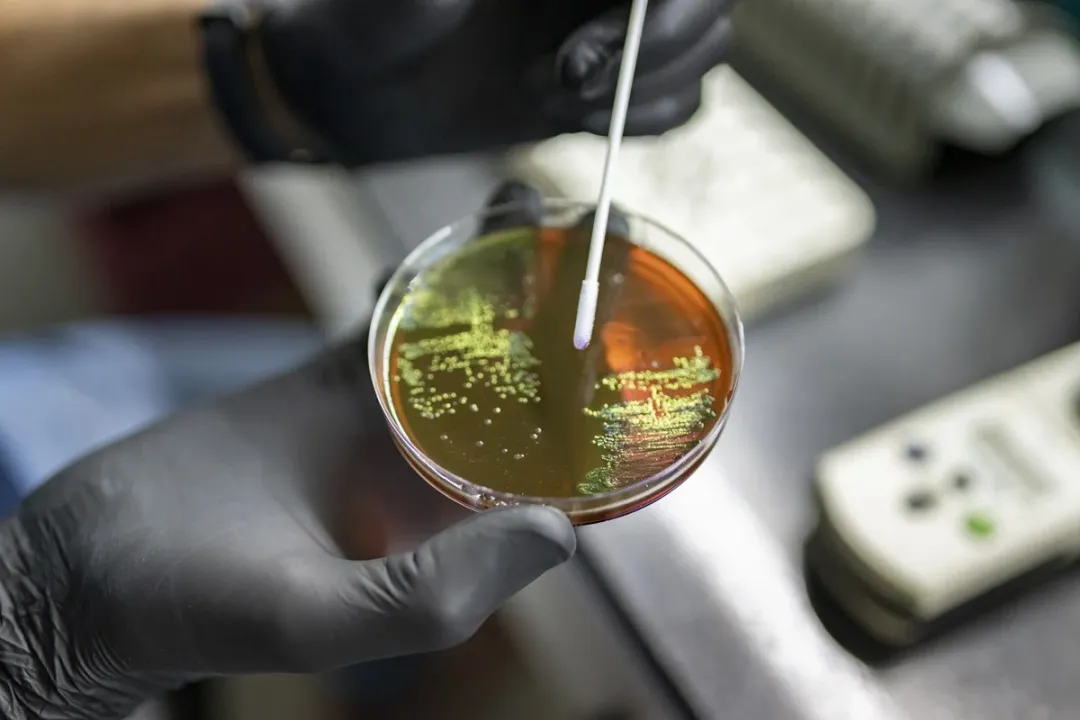
Antimicrobial resistance (AMR) describes a specific scenario where the failure lies not with the host's natural immune system, but with the efficacy of external chemical interventions used for treatment. This occurs when bacteria evolve genetic traits that allow them to withstand the effects of antibiotics; the presence of the drug selects for these resistant strains, enabling them to proliferate successfully against drugs that were previously effective. Although AMR focuses on the failure of chemical treatment, it mirrors the broader evolutionary arms race where pathogens evolve mechanisms to bypass or neutralize host defenses.
Related Questions
Which enzyme is present in tears and saliva to chemically break down bacterial cell walls?What cells are key players in the immediate, generalized defense provided by innate immunity?What two defining characteristics distinguish the adaptive immune system from the innate response?Which hormone floods the body during chronic psychological stress, suppressing immune function long term?What constitutes the most fundamental physical barrier layer acting as the first line of demarcation for many organisms?What resistance failure mode involves the treatment failing because bacteria develop defenses against antibiotics?What immune signaling molecules are crucially produced and regulated during adequate sleep periods?How does the innate immune response primarily recognize foreign threats for immediate action?What biological term defines the ability of a disease-causing agent to cause harm, contrasting with host resistance?In plants, which defense mechanism is triggered by specific recognition of pathogen effectors, akin to adaptive immunity?