To which fruits is rambutan botanically related, sharing similar characteristics like translucent flesh?
Answer
Lychee and longan
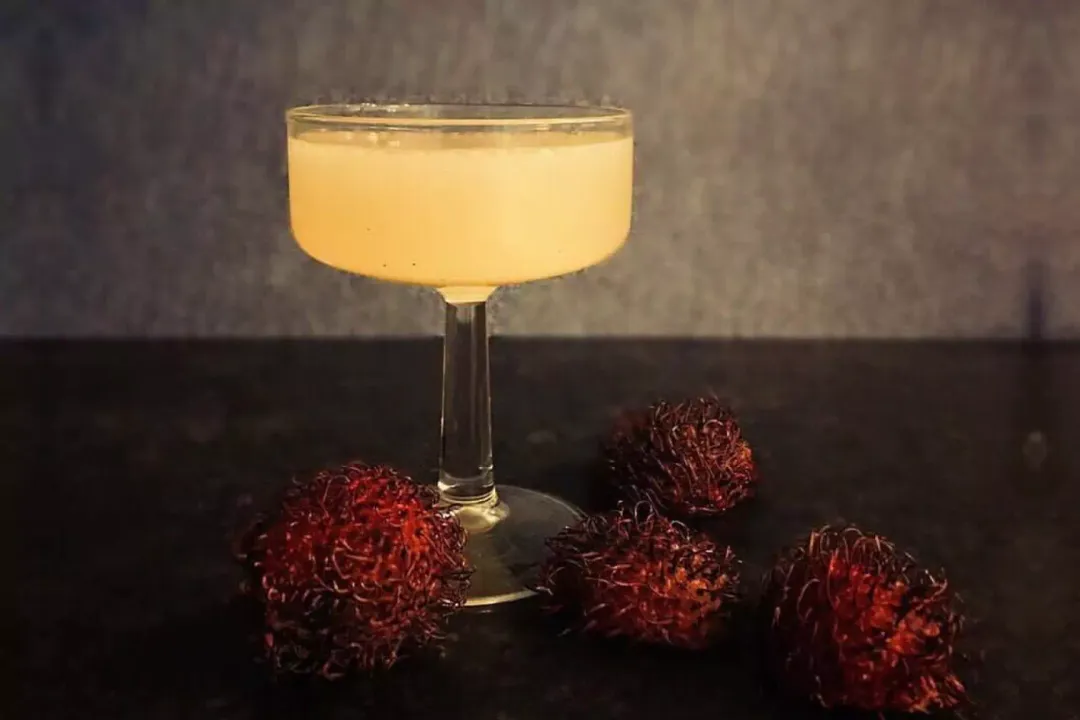
Rambutan belongs to the same botanical family as both the lychee and the longan. This relationship explains the similar physical characteristics often noted, such as the presence of translucent white, edible flesh encased within a distinctively textured exterior, in this case, a leathery, hairy rind. Understanding these botanical connections can provide context for expecting similarities in texture or flavor profiles among the related fruits. This familiarity often aids in practical consumption, as the method for accessing the edible portion (peeling the outer skin) is often analogous across these relatives.
Related Questions
What is the confirmed purine content of the rambutan fruit?What is the approximate caloric density of rambutan per 100 grams?Which sugar type in rambutan consumption requires moderation due to potential indirect effects on uric acid production?Which vitamin, noted for its antioxidant properties, is rambutan a good source of?Which mineral found in rambutan plays a role in metabolism and bone development?Rambutan shares a foundational safety profile regarding purine load with which common fruits?What specific bodily function is the mineral copper in rambutan important for?To which fruits is rambutan botanically related, sharing similar characteristics like translucent flesh?What key structural component of the rambutan fruit is generally discarded after consumption?What chemical compound's breakdown determines the uric acid potential of foods like rambutan?What general benefit does the high water content of rambutan offer related to bodily substance management?