Is all orange roughy high in mercury?
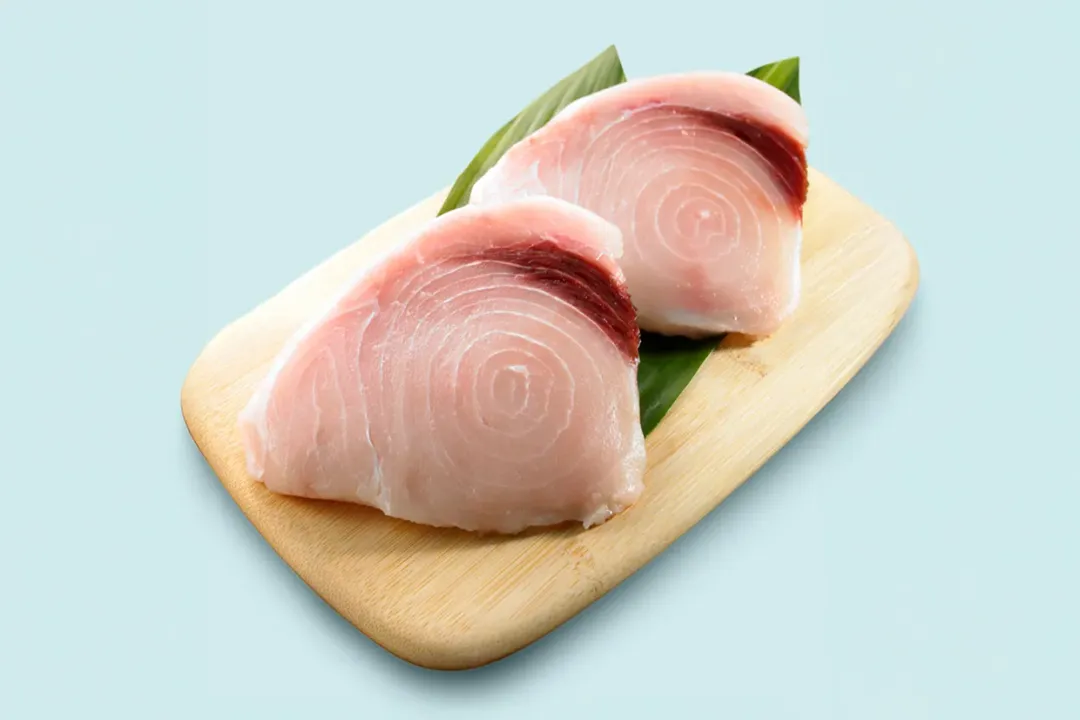
When considering fish for dinner, the topic of mercury content inevitably arises, especially concerning species like orange roughy. This deep-sea fish, known for its mild flavor and flaky texture, carries a reputation that warrants a closer look, specifically addressing whether every piece of this commercially available catch falls into the high-mercury category. Generally, health advisories classify orange roughy consistently among the fish highest in methylmercury, the form that poses the greatest risk to human health. [2][7]
# Bioaccumulation Factors
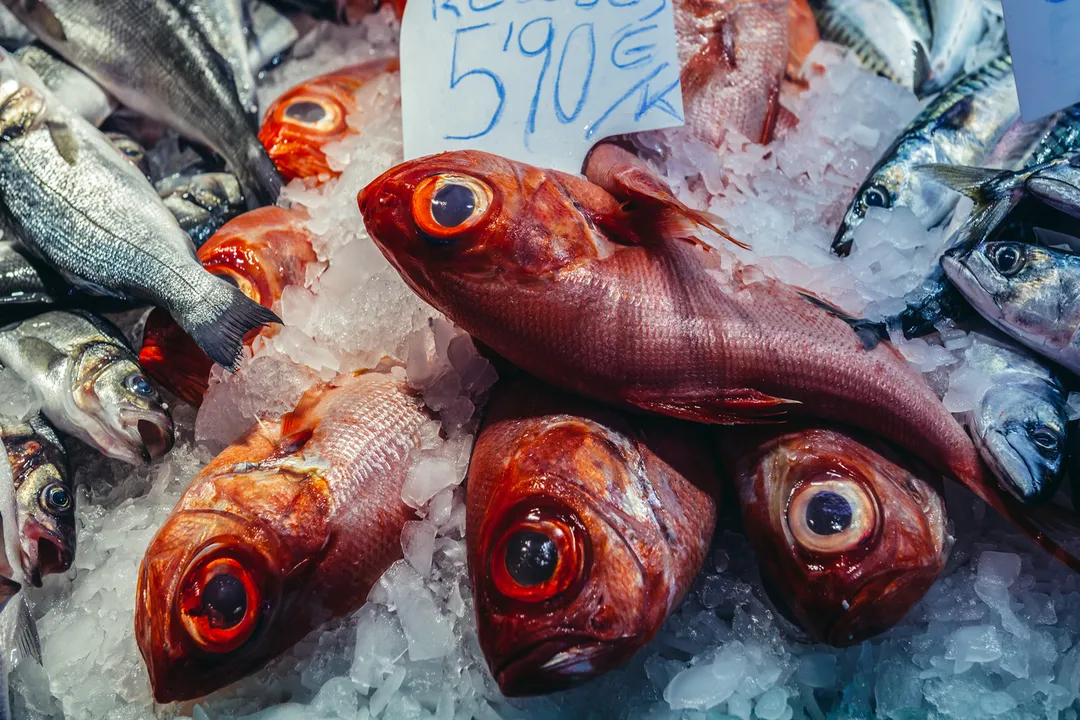
Mercury contamination in fish occurs when the element, released into the environment, is converted into methylmercury and absorbed by aquatic organisms. [5] This compound accumulates up the food chain; the larger and longer-lived a predator fish is, the more mercury it tends to concentrate in its tissues. [9] Orange roughy fits this profile perfectly. They are notably long-lived, with some individuals documented to reach ages well over 100 years. [9] This extreme longevity means they have had decades to accumulate mercury from the food they consume in the deep ocean environment. [9]
This slow growth and extended lifespan are the primary reasons why orange roughy, regardless of where it was caught or when it was processed, retains a high mercury classification. [9] It is not about a specific batch or fishery; it is intrinsic to the biology of the species itself. [9] For context, the Environmental Protection Agency (EPA) and the Food and Drug Administration (FDA) use data on mercury levels to guide recommendations, and orange roughy consistently appears on lists of fish that contain the highest concentrations. [7][8]
# Official Status
Health organizations categorize fish into low, moderate, or high mercury groups to help consumers make informed choices. [5] Orange roughy is firmly placed in the high-mercury bracket alongside species such as swordfish, shark, and king mackerel. [2][7]
Historically, the FDA has tracked mercury levels in commercially important fish between 1990 and 2012. [1] While specific, real-time testing for every catch is impossible, the established data points for orange roughy place its average concentration significantly above the thresholds deemed safe for frequent consumption, particularly for vulnerable populations. [1] High-mercury fish generally contain levels at or above $0.5$ parts per million (ppm). [8] Because of its biological profile, orange roughy generally exceeds this level, leading agencies to advise limited consumption. [8] Even consumers browsing grocery store fish counters, sometimes seeing it labeled simply as "deep sea perch," are dealing with the same bioaccumulative risk profile. [6]

# Vulnerable Groups
The concern over mercury isn't universal across all consumers; it is specifically targeted at those whose developing nervous systems are most susceptible to damage. Pregnant women, women who may become pregnant, nursing mothers, and young children are strongly advised to strictly limit or avoid high-mercury fish entirely. [8] For these groups, even moderate consumption of orange roughy could lead to intake levels that exceed safe thresholds established by federal agencies. [8] For instance, guidance often suggests that pregnant women eat no more than one serving (about four ounces) per week of high-mercury fish, or preferably substitute them with fish lower in mercury. [8]
Considering how often health advice is generalized, an important factor to consider is the cumulative exposure over time. If an adult consumer has eaten orange roughy even once a month for several years, the total accumulated load from that single source can become substantial, even if they don't eat it frequently now. [5] Unlike a short-term toxin that leaves the body quickly, methylmercury has a half-life in the human body of roughly 40 to 58 days, meaning it clears slowly and frequent consumption leads to steady buildup. [5]
# Sustainability Conflict
The conversation surrounding orange roughy often veers away from health and toward conservation, highlighting a dual concern for consumers. While mercury content speaks to safety, the fish's slow maturation rate also means it is highly susceptible to overfishing. [9] Seafood Watch, for example, often advises consumers to avoid orange roughy altogether. [3] This avoidance recommendation usually stems from poor stock status, fishing methods that damage the deep-sea habitat, and the slow recovery rate of the populations. [3]
This creates a unique situation where a product is discouraged both for human health reasons (mercury) and environmental stewardship reasons (sustainability). [9][3] While you might find orange roughy available for purchase—perhaps at a lower price point than expected for a deep-sea delicacy, as sometimes noted in general consumer discussions [6]—the consensus among scientific and environmental watchdogs leans heavily toward choosing alternatives. [3]
# Choosing Alternatives
Understanding that orange roughy is high in mercury means consumers have a clear directive to look elsewhere when seeking safe, regular sources of seafood protein. [2][7] The good news is that the marketplace is rich with fish that offer excellent nutritional value with significantly lower mercury levels, which are safe to eat more frequently. [5]
For adults who enjoy eating fish two to three servings a week, focusing on species known for being low in mercury is the standard recommendation. [8] These typically include smaller, shorter-lived fish that are lower on the marine food chain. [5] Examples often cited include salmon, shrimp, tilapia, canned light tuna, cod, and pollock. [2][5] When comparing orange roughy's high-mercury status to these safer choices, the difference in risk profile becomes very clear. [2][7]
If someone enjoys the flaky, white texture of orange roughy, an actionable strategy involves substituting it with lower-mercury white fish that mimic that mouthfeel. Instead of relying on orange roughy, incorporating sustainably sourced Pacific cod, haddock, or tilapia into the regular rotation offers a similar culinary experience without the persistent mercury load associated with the long-lived deep-sea species. [3] Furthermore, adults can sometimes benefit from a rotation strategy: consuming a known high-mercury fish like orange roughy very rarely—perhaps only once every month or two—while filling the rest of their weekly fish allowance with low-mercury options helps balance overall mercury intake across the year. This contrasts with regular consumption, which rapidly leads to concerning body burdens. [5]
It is worth noting that even within the "safer" category, variations exist. For instance, while canned light tuna is generally low-mercury, albacore (white) tuna carries substantially higher levels and should be limited, especially for sensitive groups. [8] This reinforces the idea that simply labeling a fish as "white fish" is insufficient; knowing the specific species and its position in the ocean ecosystem is key to accurately assessing mercury risk. [9]
The key takeaway regarding orange roughy remains consistent across most authoritative sources: this species should be treated as a rare indulgence, if eaten at all, due to its inherent biological tendency to store high concentrations of mercury throughout its very long life. [9][7] For reliable, regular seafood consumption, safer, lower-trophic-level species provide comparable protein with minimized environmental contaminant concerns. [3][5]
Related Questions
#Citations
Mercury Levels in Commercial Fish and Shellfish (1990-2012) - FDA
Best and Worst Fish for Your Health - WebMD
Orange roughy - Monterey - Seafood Watch
Do we need to limit fish consumption due to mercury levels?
Mercury in fish | Better Health Channel
We need to talk about the orange roughy : r/aldi - Reddit
Which Foods Are High in Mercury? - Everyday Health
[PDF] Mercury Levels in Fish | American Pregnancy Association
Why You Should Think Twice Before Eating Orange Roughy