Are king mackerels high in mercury?
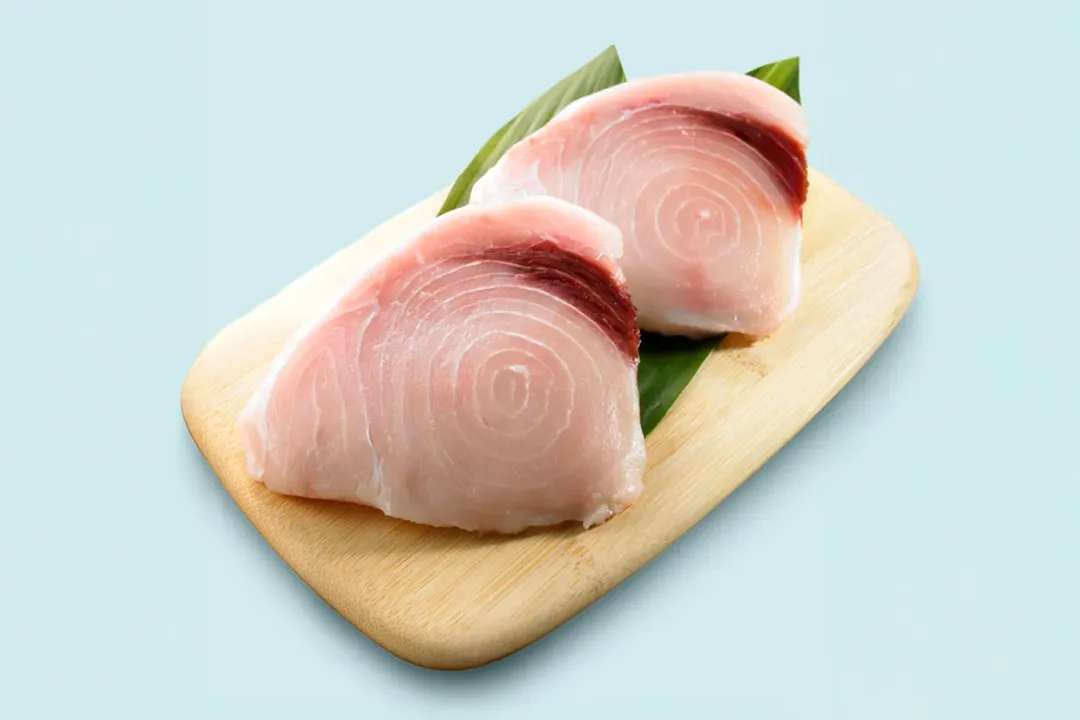
The concern surrounding mercury content in popular seafood choices is a valid one for anyone enjoying fish regularly. King Mackerel, a firm, flavorful fish often sought after for its taste, falls squarely into the category that prompts close attention from health advisories due to its potential for higher mercury accumulation. When deciding how often this fish makes it to your plate, understanding where it sits on the contamination spectrum compared to other familiar options is essential for making informed dietary choices.
# Mercury Accumulation
Mercury enters the environment and, through a process often involving industrial emissions, converts into methylmercury in water bodies. Fish absorb this compound from the water and the food they consume. Because methylmercury builds up in the tissues of fish over their lifespan—a process known as bioaccumulation—larger, longer-lived predatory fish tend to carry the highest concentrations. King Mackerel fits this profile, meaning it generally accumulates more mercury than smaller, shorter-lived species.
# High Risk Fish
Health organizations and nutritional guides frequently place King Mackerel on lists of fish to limit or avoid entirely, particularly for sensitive populations. For example, King Mackerel is specifically identified among fish that contain higher amounts of mercury compared to others available commercially. This categorization puts it in the same tier of concern as other large predators like shark, swordfish, tilefish from the Gulf of Mexico, and bigeye tuna. In contrast, fish generally recognized as having very low mercury levels include shrimp, pollock, light canned tuna, salmon, and sardines. This stark difference in accumulation rates is why specific fish types require tailored consumption advice.

# Mackerel Variations
The term "mackerel" itself covers several species, and for consumers, the distinction between them is vital when considering mercury intake. King Mackerel (often Scomberomorus cavalla) is the larger variety that typically carries the higher mercury load. On the other hand, the Spanish Mackerel is significantly smaller and is generally considered a much safer, low-mercury alternative. In consumer discussions, people often confuse the two or assume all mackerel behave the same way regarding contaminants, but their biological differences—primarily size and lifespan—dictate very different mercury profiles. While salmon is often lauded for its health benefits, including low mercury, when comparing a standard serving of King Mackerel to salmon, the mercury difference is substantial enough to warrant choosing the latter more frequently if intake limits are a primary concern.
If you were to plot the relative mercury content based on commonly discussed fish, you might see King Mackerel sitting near the top quartile for risk, whereas Spanish Mackerel often falls into the "Best Choices" or low-risk category alongside options like cod or haddock. This highlights that when ordering or purchasing, species identification is the single most important factor; asking specifically for Spanish Mackerel over King Mackerel can dramatically alter your potential mercury exposure without sacrificing the flavor profile of a firm, flaky fish.
# Regulatory Context and Data
The concern over mercury in fish is long-standing, leading regulatory bodies like the Food and Drug Administration (FDA) to monitor levels in commercial catches for decades. Data collected by the FDA between 1990 and 2012 showed mercury levels across various commercial fish species, offering a baseline understanding of the risks associated with species commonly available to the public. While specific, current, raw data points for King Mackerel across all commercial years are complex, its consistent listing in high-risk categories by various health sources confirms its position relative to those monitored populations. It's important to note that FDA guidance generally focuses on limiting intake of the highest-level accumulators to protect the most sensitive groups.
# Consumption Guidance
The advice regarding King Mackerel consumption is not absolute prohibition for everyone, but rather a strong recommendation for caution directed primarily at certain demographics. Pregnant or breastfeeding women and young children are often advised to completely avoid fish considered high in mercury, which places King Mackerel in that restricted category. For other healthy adults who eat fish moderately, the guidance usually suggests limiting high-mercury species to about one serving (four ounces) per week, if any at all.
For context, if an individual were to eat one recommended serving of a low-mercury fish (like salmon or cod) per week, their total weekly mercury intake would remain very low. However, replacing that with one serving of King Mackerel significantly raises the total, potentially pushing that individual toward the upper limits of safe intake as defined by health authorities. The general principle is always to prioritize the "Best Choices" found on advisory lists to maximize nutritional benefit while minimizing contaminant risk.
# Anglers and Local Catch
The concern about mercury levels extends beyond commercially caught fish and into the realm of recreational fishing. Anglers who catch their own fish often wonder about the safety of their haul, as local water quality and fish size can still lead to high concentrations. While federal advisories cover widely distributed commercial species, locally caught fish, including King Mackerel caught near shore or in specific bays, might carry unique local advisories based on regional pollution hotspots.
When you bring home a sizable King Mackerel you caught yourself, a prudent step is to check with local or state environmental or fish and wildlife agencies, rather than relying solely on broad national lists. These local bodies often issue advisories specific to particular waterways or regions, accounting for localized industrial discharge or unique water chemistry that might affect bioaccumulation rates differently than the averages used in national reports. If no specific local advisory exists for your catch area, erring on the side of caution and treating it as a high-mercury species—especially if it's a large specimen—is the safest editorial approach.

# Making Safer Choices
Navigating the seafood aisle can feel overwhelming, but focusing on a few key indicators simplifies the decision process. A helpful rule of thumb involves size and diet: if the fish is large, has been around for a long time, and eats other fish, it's more likely to be high in mercury. King Mackerel fits this description perfectly.
When aiming for a balanced diet rich in omega-3s, consumers should actively seek out the lower-mercury options. This includes substituting King Mackerel with species like Spanish Mackerel or other lower-on-the-food-chain fish. Furthermore, if you frequently consume fish, rotating through several of the "Best Choices" lists rather than relying heavily on one type provides a layer of safety against any potential contaminants, mercury being the most discussed among them. By understanding that King Mackerel is consistently classified as one of the higher accumulators, individuals can make easy substitutions that support long-term health goals without sacrificing the enjoyment of seafood.
Related Questions
#Citations
8 fish that can contain high levels of mercury - Business Insider
Mercury Levels in Commercial Fish and Shellfish (1990-2012) - FDA
Is it safe to eat king mackerel/ spanish mackerel? : r/Fishing - Reddit
Are King Mackerel typically eaten despite high mercury levels?
Which Fish Have the Highest and Lowest Mercury Levels?
Which Foods Are High in Mercury? - Everyday Health
Do mackerels contain less mercury than salmon? - Quora
Mercury on the Hook? Oceana Has Answers for Anglers