What causes poor cellular health?
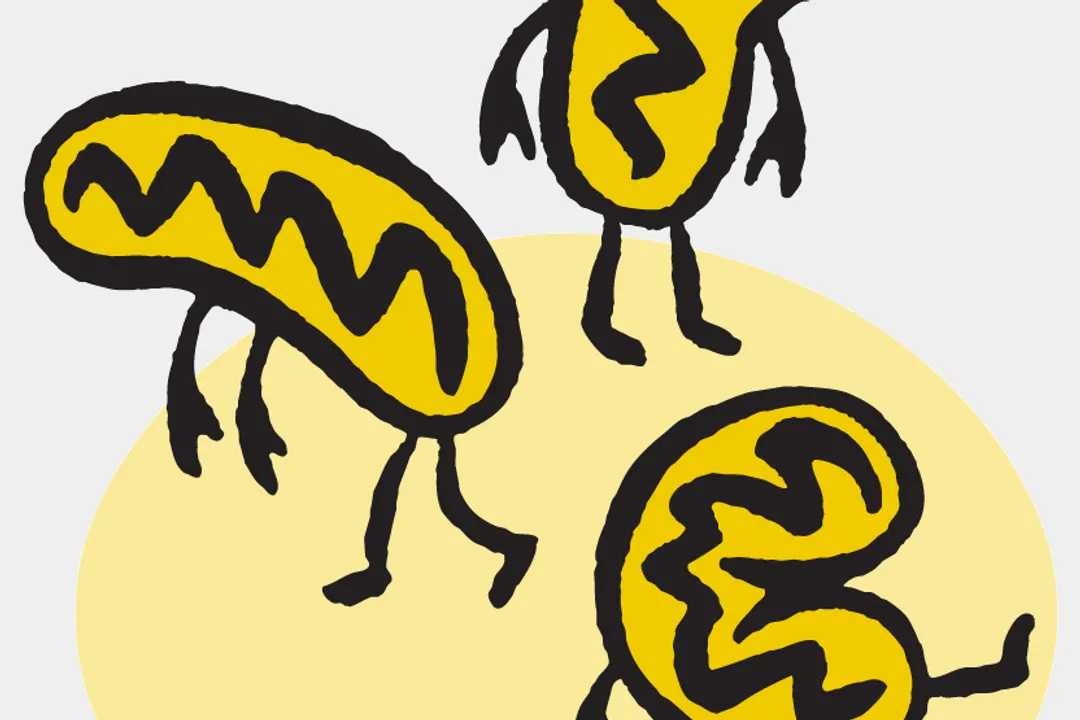
The health of the individual rests entirely upon the health of its smallest units: the cells. When these foundational components begin to struggle, the larger systems they compose eventually reflect that dysfunction, leading to widespread symptoms we often attribute to aging or generalized malaise. Understanding what causes this breakdown requires looking at how energy is managed, how damage accumulates, and how the cell is structurally supported.
# Basic Structure

At the most fundamental level, cellular health is about maintaining a stable internal environment while successfully interacting with the external world. [2] A key aspect of this is the health of the cell membrane—the boundary that dictates what substances are allowed entry and what waste products are expelled. [2][7] If this membrane loses its integrity, perhaps becoming too rigid or too leaky, the cell cannot efficiently maintain its necessary gradients or receive the correct signals, setting the stage for trouble. [2] The entire operational status of the cell hinges on this delicate, semi-permeable barrier. [2]
# Energy Crisis

A primary driver of poor cellular function is insufficient energy, often manifesting as an energy crisis. [1] Cells depend on a consistent supply of energy, generated chiefly within the mitochondria, to perform all their vital tasks, from repairing DNA to moving materials across membranes. [1] When energy production drops below the required threshold—whether due to insufficient fuel, structural damage to the mitochondria, or an overwhelming demand for repair—the cell enters a state of conservation. [1] This response involves shutting down non-essential activities to survive in the short term, but chronic energy shortages inevitably lead to degeneration and eventual failure. [3][5]

# Cellular Damage

The process of decline often involves the gradual accumulation of damage, known as cellular degeneration. [3] This isn't usually caused by a single, catastrophic event but rather by constant assaults that slowly erode the cell's ability to cope. Aging itself contributes to this wear and tear, but environmental stressors and internal metabolic byproducts accelerate the process. [3] When the mechanisms designed to clean up damaged proteins or repair DNA become overloaded, faulty components persist within the cell, impeding normal communication and function. [5] Think of it like never replacing worn-out parts in a machine; eventually, the entire system slows down and malfunctions. [3]
# Cell Demise
Cells have built-in methods for self-termination when damage is too great or when their purpose is served. [8] This happens primarily through two pathways: apoptosis and necrosis. [8] Apoptosis is a tightly regulated, programmed cell death; the cell essentially disassembles itself neatly without spilling its contents, which is a normal, healthy part of tissue turnover. [8] In contrast, necrosis is the result of acute injury, toxins, or overwhelming stress that causes the cell to burst open. [8] Necrotic cell death is messy, releasing inflammatory contents that can damage neighboring cells. [8] Observing a high rate of necrotic cell death versus controlled apoptosis gives a strong indication of whether the cell succumbed to chronic stress or acute, severe insult. [8]

# External Factors
The causes leading to energy crises and degeneration are often external to the cell itself, originating from the immediate environment the cell lives in—the tissues and fluids of the body. [9] Diet is a major influencer on the internal environment. [6] Certain foods can provide the necessary building blocks and energy substrates needed for peak function, while others might promote inflammation or deliver unnecessary toxic load. [6] Furthermore, chronic exposure to environmental toxins or systemic stressors keeps the cell on high alert, forcing it to expend energy on defense rather than maintenance and replication. [1][9] The body sends out SOS signals when these conditions persist, which manifest as physical symptoms indicating the cellular infrastructure is under strain. [9]
# Warning Signs
Recognizing that your cells are under duress is the first step toward correction, but these signs can be subtle. [4][5] A common indicator of poor cellular health is persistent, unexplained fatigue or low energy, reflecting the mitochondrial struggle mentioned earlier. [5][6] Additionally, signs of chronic, low-grade inflammation throughout the body can signal that cells are failing to manage waste or are reacting poorly to internal or external triggers. [5] If the systems responsible for cellular upkeep are failing, you might experience general malaise or a decline in resilience to everyday challenges. [4][9]

# Health Steps
Addressing poor cellular health requires a targeted approach that supports both energy production and structural integrity. [6][7] While the immediate advice often centers on optimizing nutrition—consuming foods that boost cellular energy and avoiding those that promote dysfunction [6]—it requires a deeper perspective on the application of resources.
A critical consideration often overlooked is the concept of cumulative burden. A single day of poor eating or a brief period of high stress is usually manageable because cells possess reserves for repair. [1] However, if your daily routine consistently involves low-grade stressors—inadequate sleep, constant low-level anxiety, or meals lacking key structural fats—the accumulated damage begins to outweigh the daily repair budget. [2] Tracking these small, consistent drains, rather than waiting for a major crisis, is far more effective for maintaining long-term cellular vitality.
Furthermore, successful cellular support must address the machinery itself, not just the fuel. While consuming energy-rich foods provides the fuel for the mitochondrial engines, [6] it is equally important to supply the construction materials for the engine casings and membranes. [2] For example, providing the right types of fatty acids ensures the cell membrane remains flexible and efficient at transporting necessary nutrients inward and waste outward. [2] You cannot run a high-performance engine indefinitely on low-grade gasoline, regardless of how often you refill the tank; the quality of the fuel and the quality of the engine components must align for sustained performance. [2][7] By focusing simultaneously on reducing systemic stress, optimizing nutrient intake, and ensuring structural components are sound, the cell has the best chance to thrive rather than merely survive.
Related Questions
#Citations
When Cells Face an Energy Crisis | NIH News in Health
How to Boost Your Cellular Health - BodyBio
Cellular Degeneration: What It Is and Why It Matters - Jinfiniti
Cellular Health: What You Need To Know - The Well Theory
Understanding Cellular Health: 10 Signs Your Cells May Be Struggling
Six Foods to Eat (and What to Avoid) to Boost Cellular Health and ...
Cellular Health: What is it & Why is it Important? - Fatty15
Cell Death: Causes, Apoptosis, Autophagy & Necrosis
The Silent Dangers of Poor Cellular Health: Are You Ignoring Your ...