During the mid-20th century, which scientific practice was the primary method used to identify new drugs and led to the discovery of erythromycin?
Answer
Soil sampling
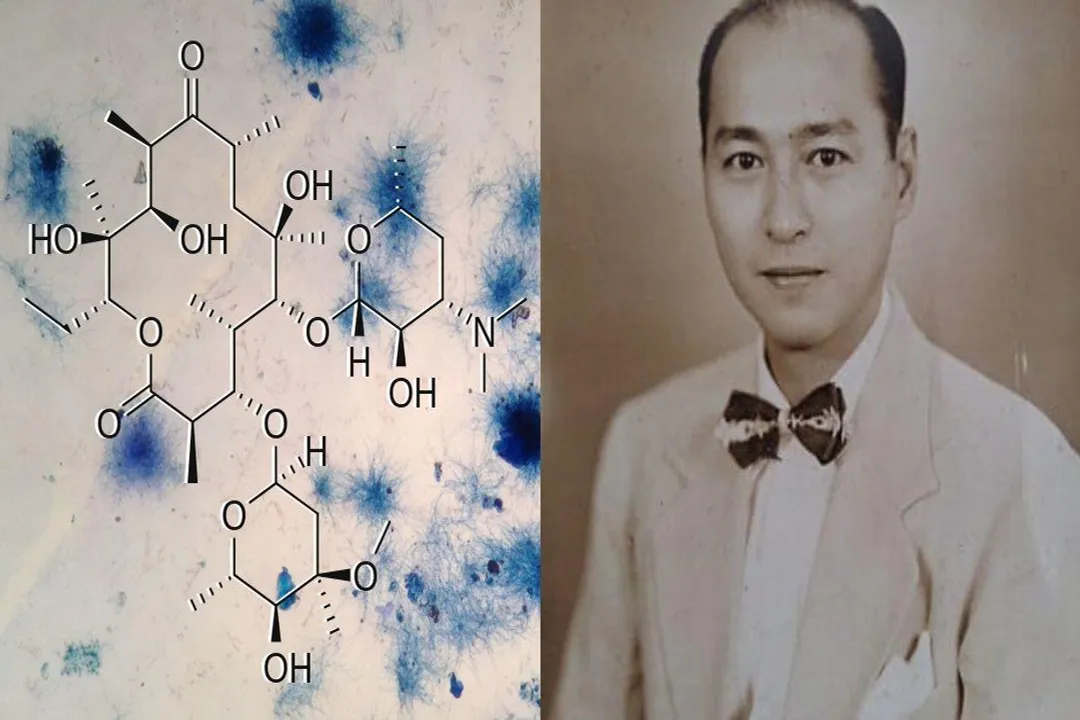
During the period known as the Golden Age of Antibiotics, researchers extensively practiced soil sampling to find new antibiotic-producing bacteria. Scientists believed that diverse environments, particularly tropical soils, contained unique bacterial strains capable of resisting other microorganisms. This strategy involved isolating soil samples and analyzing them in laboratory settings, which is how the bacteria responsible for erythromycin were identified.
Related Questions
Who is the Filipino physician credited with isolating the bacteria strain that led to the development of erythromycin?What specific bacteria strain, discovered in soil samples from Iloilo, produces erythromycin?In 1949, Dr. Abelardo Aguilar was working as a medical representative for which pharmaceutical company when he sent his soil samples for analysis?How does erythromycin function as an antibiotic to treat infections in patients?Erythromycin is frequently used as a critical alternative for patients who suffer from an allergy to which common antibiotic?What specific legal agreement is recommended for researchers to verify before sharing biological specimens with outside entities?In which Philippine location did Dr. Abelardo Aguilar collect the soil samples that eventually led to the discovery of erythromycin?What type of bacteria is erythromycin primarily effective against?During the mid-20th century, which scientific practice was the primary method used to identify new drugs and led to the discovery of erythromycin?Why was Dr. Abelardo Aguilar unable to receive the recognition or royalties he sought in his later years regarding the discovery of erythromycin?