What parts of mallow are medicinal?
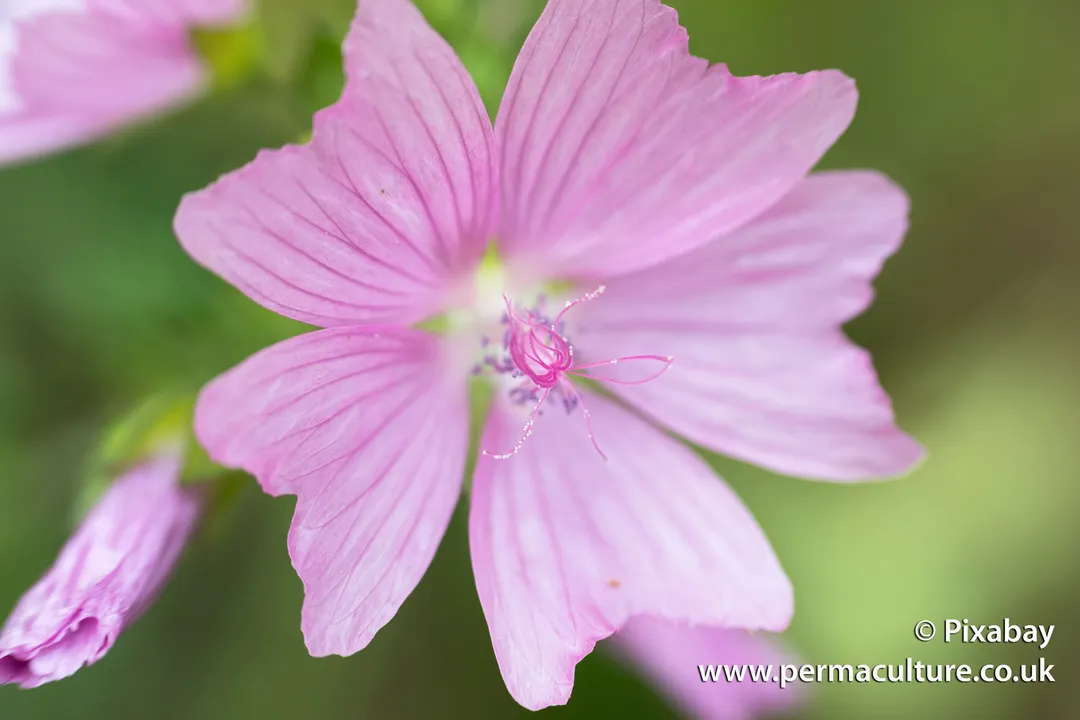
The common mallow plant, often seen as a persistent garden resident, holds a long-standing reputation in herbal traditions due to the particular soothing qualities found within its structure. When we look closer at what makes this plant medicinally valuable, we find that its benefits are not distributed equally, but rather concentrated in specific components that share a common, viscous characteristic. The primary medicinal attribute attributed to mallow, spanning its leaves, flowers, and roots, is its high mucilage content.
# Rich Mucilage
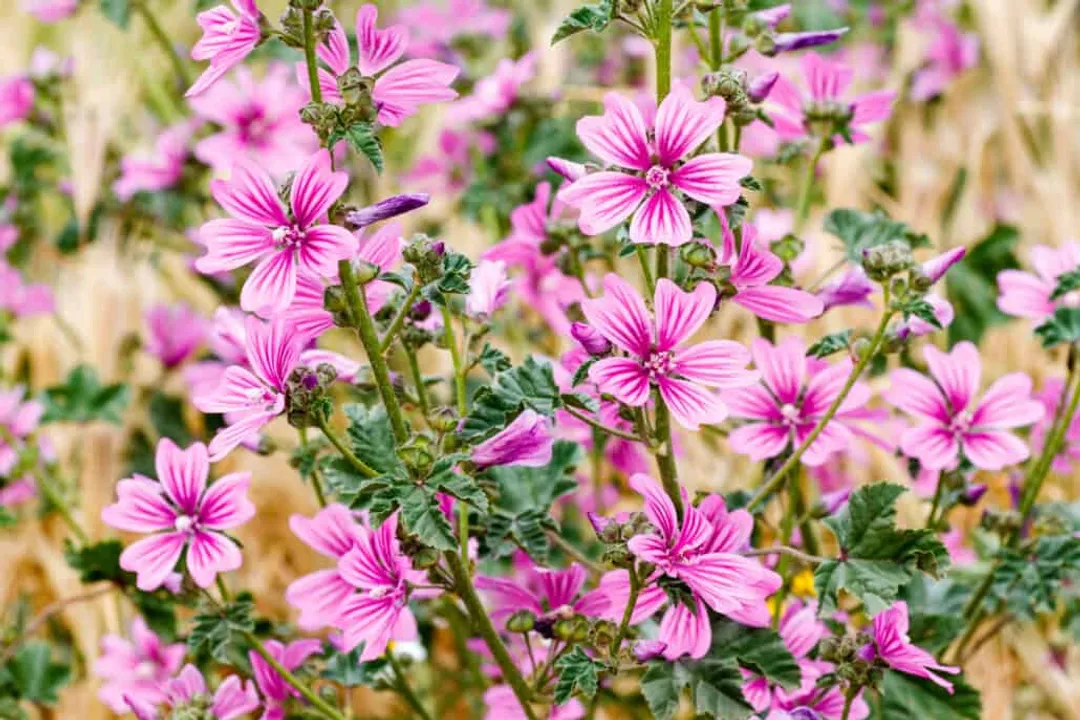
Mucilage is a complex mixture of glycoproteins and polysaccharides that become gelatinous when mixed with water. This gel-forming capacity is what drives most of mallow's well-regarded applications. This substance acts as a demulcent, meaning it creates a protective, soothing film over irritated mucous membranes throughout the body. In essence, when ingested, the mucilage coats the internal lining of the throat, stomach, and intestines, providing relief from dryness and inflammation. Furthermore, the presence of other chemical compounds, such as flavonoids, contributes to observable pharmacological effects, including potential antioxidant and antimicrobial actions.
It is important to distinguish mallow from other soothing herbs based on the consistency it produces. While both marshmallow root (Althaea officinalis) and mallow (Malva sylvestris) are famous for their mucilage, mallow leaves and flowers are generally easier to collect in abundance and yield a substance that can feel slightly less viscous or 'slimy' than a dense root infusion, depending on preparation time and temperature. This difference in texture can sometimes make mallow infusions more palatable for some individuals when used for internal coating, though both serve the same primary function.
# Soothing Airways
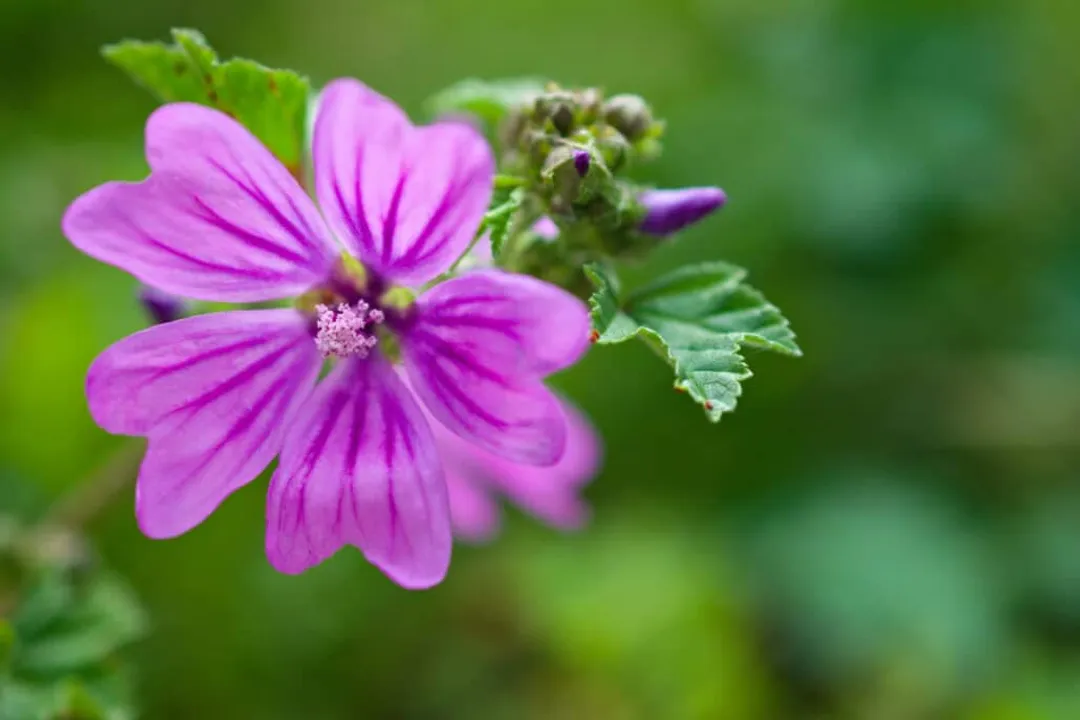
One of the most consistent uses for mallow across herbal applications targets the respiratory system. When irritation settles in the throat or lungs, the demulcent action of the mucilage comes into play. It effectively coats the sensitive lining of the pharynx and larynx, which can help to calm the tickle that triggers coughing. This soothing effect makes mallow a popular remedy for dry, unproductive coughs and general throat soreness.
Beyond simply coating the irritation, mallow preparations are also credited with an expectorant quality. This means that rather than just suppressing the cough, it can help thin and loosen thicker mucus secretions in the bronchial tubes, making them easier to clear from the airways. For someone dealing with persistent chest congestion accompanied by a scratchy throat, combining this demulcent action with the expectorant property offers a multi-faceted approach to comfort.
# Gut Comfort
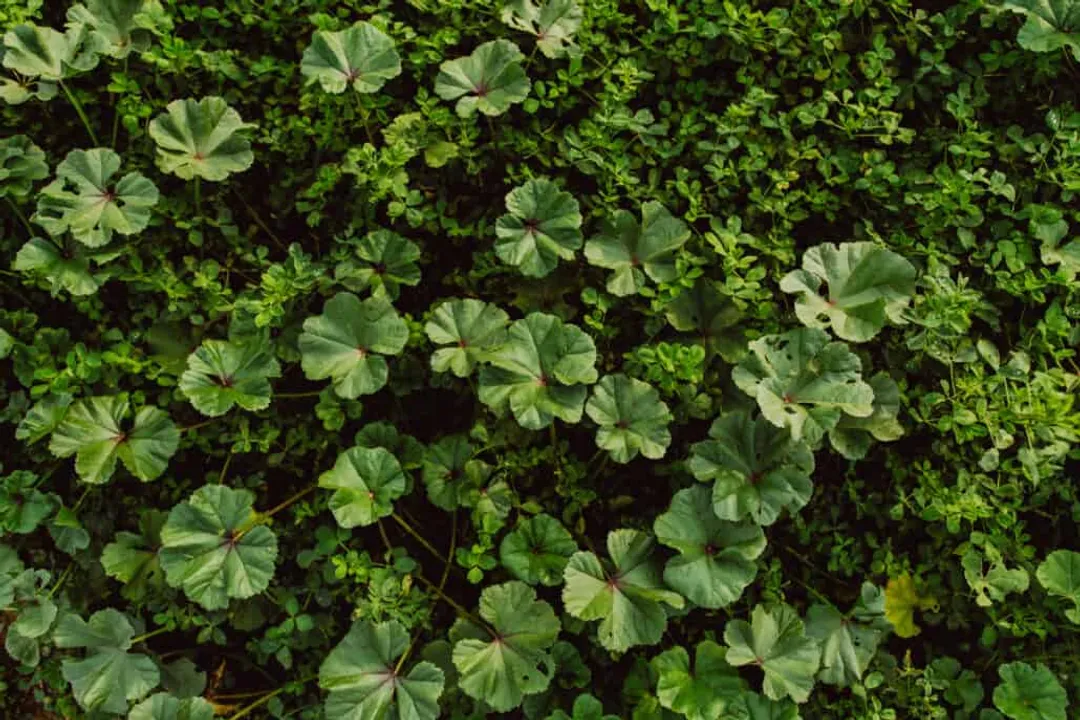
The same coating mechanism that calms an irritated throat also benefits the digestive tract, which is lined with mucous membranes that can become inflamed or distressed. Mallow is frequently recommended to address internal inflammation within the stomach and intestines, often being suggested for conditions like gastritis or enteritis.
Internally, mallow addresses digestive issues from two directions. Firstly, its soothing effect helps calm general inflammation. Secondly, due to the bulk provided by the mucilage, it can function as a mild laxative. This bulk helps to soften the stool and promote smoother passage through the colon, offering relief from mild constipation without the harsh stimulating effects of stronger herbal laxatives. When preparing a tea intended for digestive complaints, allowing the plant material to steep for a longer period, perhaps even covered and slightly cooled, ensures maximum mucilage extraction, which is essential for achieving both the coating and bulking effects.
# Skin Soother
While internal use focuses on mucous membranes, mallow’s emollient nature—its ability to soften and soothe the skin—makes it highly valuable for external applications. The leaves and flowers, when macerated or infused, can be applied topically to calm various forms of surface irritation.
This external use targets conditions characterized by dryness, redness, or itching. Applications include soothing dry skin patches, calming minor insect bites, or relieving discomfort from superficial abrasions. The cooling, gentle nature of the mucilage provides immediate, non-irritating relief, which is often preferable when the skin barrier is already compromised.

# Parts Utilized
When gathering mallow for medicinal purposes, virtually all aerial parts of the plant (Malva sylvestris) hold value, though the concentration of compounds varies.
# Leaves
The leaves are a primary source of mucilage and are easily harvested. They are used fresh or dried for teas, poultices, or infusions intended for both internal and external soothing. Their broad surface area allows for easy infusion in water.
# Flowers
The delicate flowers are also gathered and possess similar soothing properties to the leaves. Often, they are used alongside the leaves, or they may be added primarily for their visual appeal in a preparation, as their color can also transfer to the water.
# Roots
Although the leaves and flowers are more frequently accessed, the root of the mallow plant is also recognized for its medicinal contribution. Roots, like those of closely related species, generally contain a denser concentration of mucilage, though preparation typically requires longer simmering (decoction) rather than simple steeping to break down the tougher structure and release the active gel.
Here is a brief comparison of the medicinal parts mentioned:
| Plant Part | Primary Medicinal Action | Common Preparation Method |
|---|---|---|
| Leaves | Demulcent, Emollient | Infusion (Tea) |
| Flowers | Demulcent, Visual Appeal | Infusion (Tea) |
| Root | High Mucilage, Laxative | Decoction (Simmering) |
If you are planning to use mallow from your own garden, remember that harvesting should be done sustainably, taking only what you need and leaving plenty for the plant to thrive. A practical tip for home preparation is to always use cool or lukewarm water when steeping the leaves or flowers for the first time, even if you plan to heat it slightly later. Boiling water too rapidly can sometimes cause the mucilage to clump together instead of dissolving uniformly into the water, resulting in a less effective, slightly gritty infusion rather than a smooth, gel-like liquid.
# Research Context
While traditional herbalism relies on empirical observation over centuries, modern investigation helps categorize these traditional claims. Scientific studies support the presence of compounds that correlate with observed effects. For instance, research confirms that mallow extracts exhibit anti-inflammatory properties, which directly aligns with its traditional use for soothing internal inflammation in the digestive and respiratory tracts. The identification of antioxidants in the plant material further suggests a protective role within the body's tissues. This scientific validation lends authority to the practice of using mallow for conditions like sore throats or mild gastric upset.
It is worth noting that while many sources emphasize the demulcent action, the overall chemical profile includes various flavonoids and other constituents. This suggests that the plant offers more than just physical coating; it provides bioactive elements that interact chemically to reduce irritation and combat localized stressors, which is a subtle but important distinction from inert soothing agents.
In practical terms for the home user, this means that an infusion made from fresh leaves and flowers, steeped for at least fifteen to twenty minutes and consumed warm, is generally the most accessible route to gain the demulcent benefits for coughs and throats, while a similar preparation, cooled and used as a wash, addresses skin issues. The key component to extract is the mucilage, and the process needs to be gentle enough to keep it suspended in the water.
#Videos
Common Mallow - Identification, Uses, and Making a Cold Infusion!
Related Questions
#Citations
Mallow Uses and Plant Profile - LearningHerbs
Benefits of Common Mallow (Malva sylvestris) - Permaculture
Mallow – Robin Harford from Eatweeds
Mallow plant or "malva" is a nutritious, medicinal and edible green ...
Mallow, all the softness in a plant - Wilden Herbals - Share your nature
A Review on Health Benefits of Malva sylvestris L. Nutritional ...
Mallow: here are all its beneficial powers - Gruppo FarmaImpresa
Common Mallow is an attractive plant that has been used ... - Reddit
Common Mallow - Identification, Uses, and Making a Cold Infusion!