How do you use oregano medicinally?
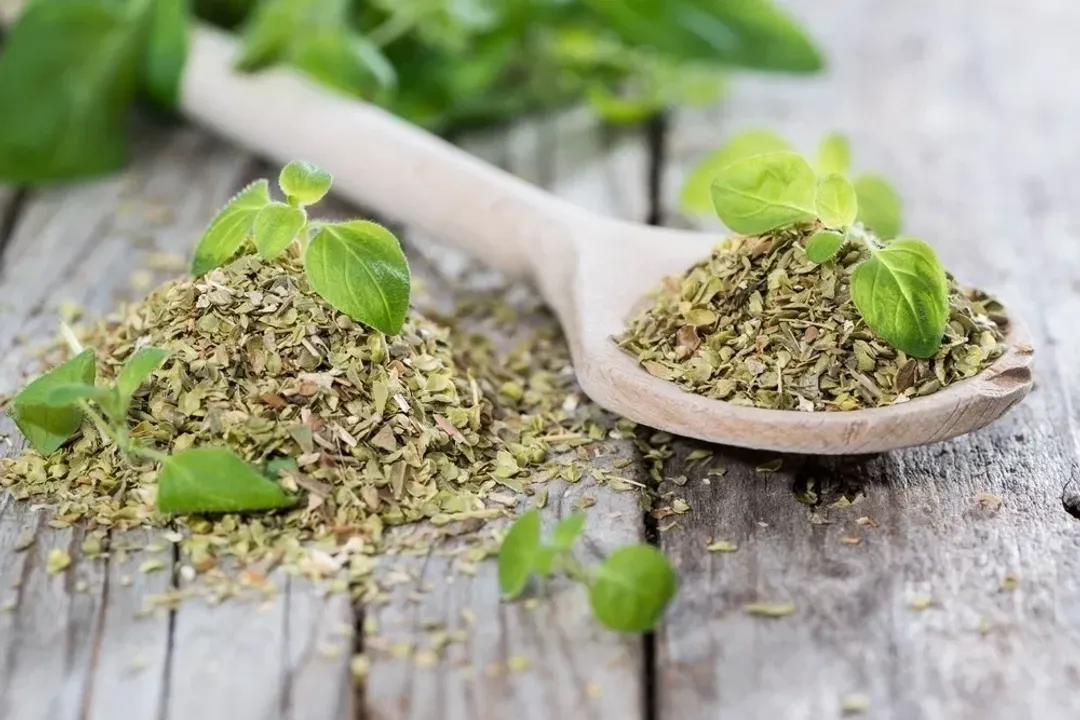
Oregano, the fragrant herb frequently associated with Italian cooking, possesses potent medicinal qualities largely due to the presence of key chemical compounds like carvacrol and thymol. [1][3][5] These constituents are the reason oregano extracts and oils are sought after for their antimicrobial, antioxidant, and anti-inflammatory effects. [1][3][7] Understanding how to properly employ oregano for therapeutic benefits requires moving past the spice rack and focusing on specific preparation methods that concentrate these active agents, whether through concentrated oils, steeped teas, or carefully applied topical treatments. [2][5][7]
# Potent Oil Forms
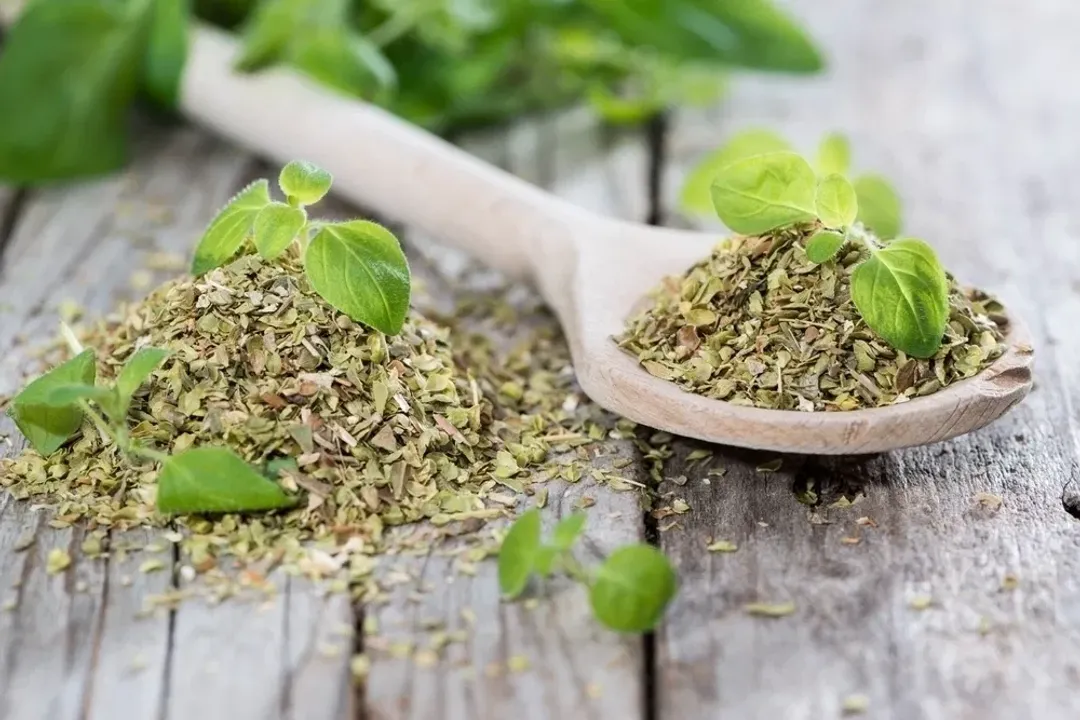
The most concentrated and widely studied form of medicinal oregano is its essential oil, extracted from the leaves and flowering tops of the Origanum vulgare plant. [1][7] This oil is exceedingly strong because it contains high levels of carvacrol, which is credited with much of its activity against bacteria, fungi, and potentially parasites. [1][5][7]
# Dilution Necessity
Because the essential oil is so potent, direct application or ingestion without dilution is strongly discouraged and can lead to irritation or adverse effects. [5][7] When preparing oregano oil for internal use, it is typically mixed with a carrier oil like olive oil or coconut oil. [7] A general guideline often suggests starting with just one or two drops of the essential oil mixed into a full glass of water or a teaspoon of a carrier oil. [5]
For topical use, such as supporting skin health or addressing muscle discomfort, the dilution ratio is critical. [7] While specific ratios can vary based on the concentration of the oil and individual sensitivity, a common starting point is mixing one drop of oregano essential oil with at least 12 drops of a gentle carrier oil. [7] Always perform a small patch test on an inconspicuous area of skin before applying a new dilution widely to check for hypersensitivity. [5]
# Internal Application Methods
When taking oregano oil internally, the method often involves placing the diluted drops under the tongue (sublingually) or mixing them into a small amount of liquid or food. [5] The sublingual route allows the active compounds to be absorbed more directly into the bloodstream, bypassing immediate digestive processing. [5] Another application method involves inhalation, where a few drops are added to a bowl of hot water for steam inhalation, which can be beneficial for respiratory congestion, though this method is usually reserved for the oil's aromatic and decongestant properties rather than systemic antimicrobial action. [5]
It is worth noting that while oregano oil targets various microbes, its use should be approached with awareness regarding other potential interactions. For instance, taking high doses might cause stomach upset, and individuals on blood-thinning medications should exercise caution due to potential interactions. [1]
# Herbal Tea Preparation

For a gentler medicinal approach, or for those seeking support for minor digestive upsets or respiratory symptoms, a simple infusion or tea made from dried or fresh oregano leaves is an accessible method. [2][5] This method provides beneficial compounds in a much milder form compared to the concentrated oil. [2]
# Steeping Technique
To make oregano tea, gather about one teaspoon of dried oregano leaves or one tablespoon of fresh leaves for every eight ounces of water. [2] Bring the water to a boil, pour it over the herbs in a mug, and allow it to steep for about 5 to 10 minutes. [2] Covering the mug while steeping is helpful to trap the volatile essential oils, which contain the beneficial components, ensuring they are transferred into the water rather than evaporating into the air. [5] After steeping, strain the leaves out before drinking. [2] Some people might add honey or lemon to improve the taste, though these additions should be considered for flavor rather than as primary medicinal agents in this context. [2]
When considering culinary versus medicinal amounts, one might observe that a typical recipe calls for a quarter teaspoon of dried oregano sprinkled over a dish, whereas a therapeutic tea uses a full teaspoon in eight ounces of water. [2] This difference highlights that the dosage required for a perceived medicinal effect is substantially higher than what is used for routine seasoning, emphasizing that treating an ailment requires a more deliberate preparation than simply cooking with the herb. [2]

# Topical Salves and Poultices
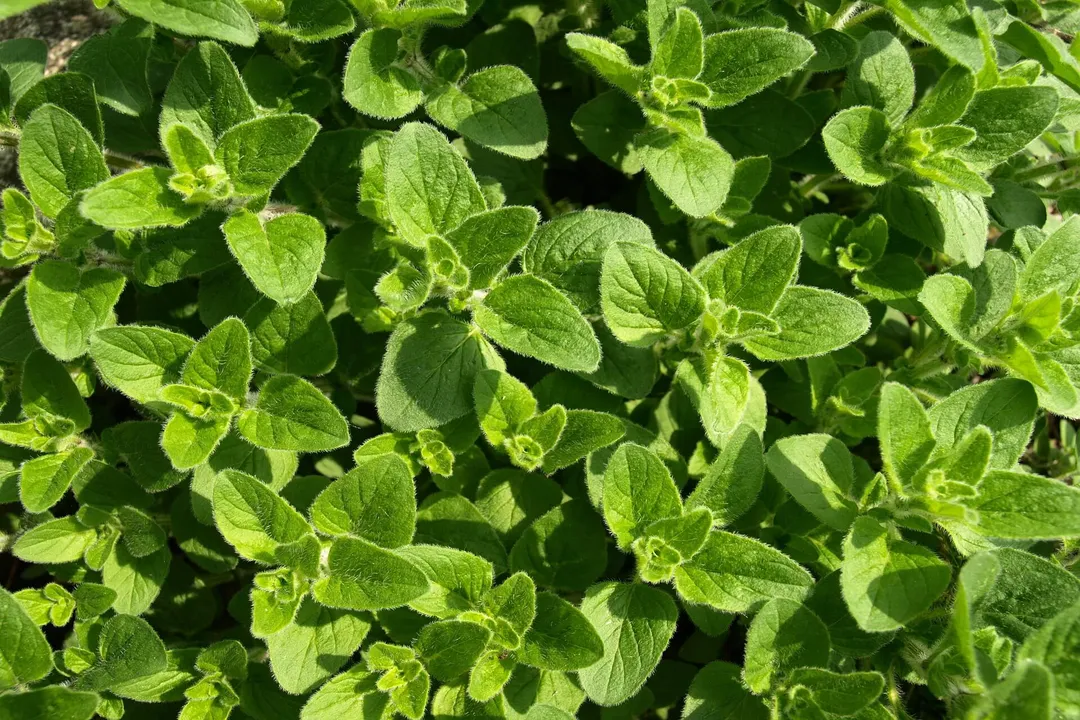
Beyond internal remedies, oregano has traditional external uses, primarily centered on its anti-inflammatory and antimicrobial capabilities applied directly to the skin. [7]
# Infused Oils for Skin
Creating an infused oil for topical application follows a similar principle to making the highly concentrated essential oil, but the result is a milder, carrier-oil-based product suitable for external rubbing or massage. [5] The process often involves combining fresh oregano leaves with a carrier oil, such as olive oil, and allowing them to infuse over time, sometimes utilizing gentle heat or sunlight exposure to aid in extracting the beneficial compounds from the plant material into the oil. [5] Once infused, the plant matter is strained out, leaving behind an oil rich in oregano's properties ready for external use. [5]
This resulting infused oil can then be massaged into areas experiencing soreness or inflammation, or applied to the skin where antimicrobial support might be desired. [7] Remember that this preparation is different from the essential oil; it is an infusion, inherently much weaker than a distillation, making it safer for broader topical application, though vigilance regarding skin reactions remains essential. [5]
# Safety and Expert Considerations
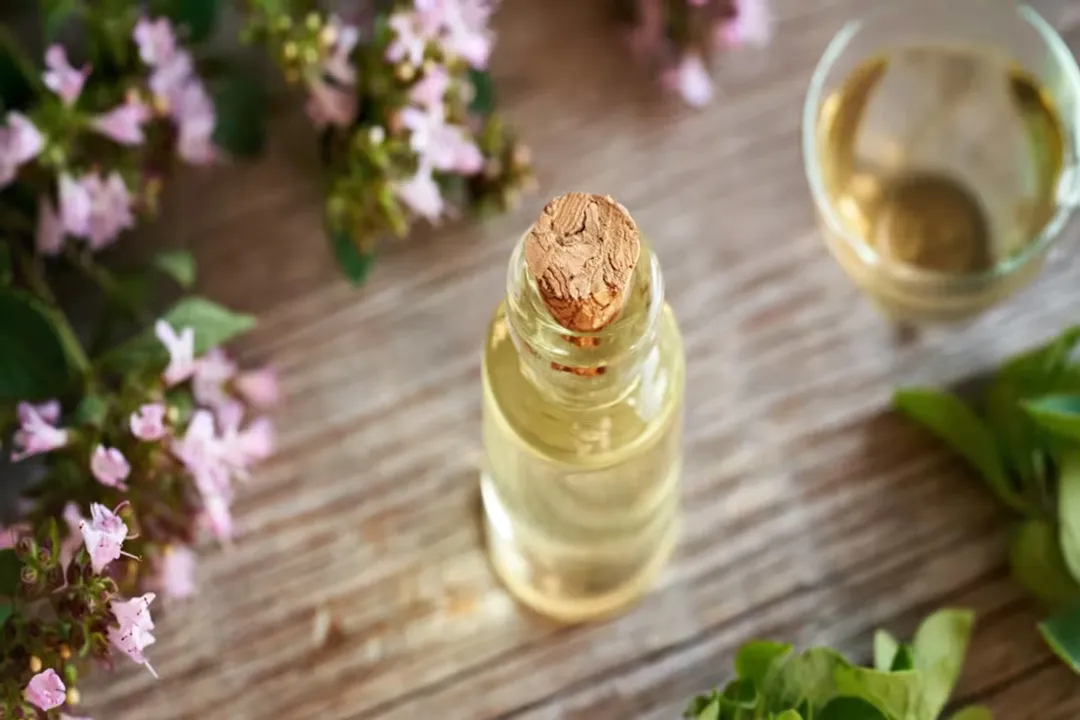
While oregano offers various health potentials, responsible use necessitates awareness of contraindications and potential side effects. [1] Oregano, especially in its concentrated oil form, is generally considered safe when used appropriately and in moderation. [1] However, certain groups must exercise significant caution or avoid it entirely. [1]
# Specific Population Warnings
Pregnant and breastfeeding women are often advised to avoid medicinal doses of oregano, particularly the concentrated oil, as sufficient data on safety in these populations is lacking. [1] People with allergies to plants in the mint family (Lamiaceae), which includes mint, sage, and thyme, may also be allergic to oregano. [1]
Furthermore, due to its potential effects, individuals taking medications that slow blood clotting, such as warfarin, should consult a healthcare provider before incorporating high amounts of oregano or its oil into their regimen. [1] High quantities can potentially amplify the effects of these medications. [1]
# Understanding Quality
The medicinal efficacy of oregano preparations is heavily dependent on the source material and the extraction method, which speaks to the Authority component of herbal use. [5] Quality matters significantly; commercially available oregano essential oils should ideally be standardized to contain a high percentage of carvacrol, often cited as being 60% or higher, to ensure therapeutic consistency. [1] When purchasing dried herbs or teas, look for vibrant green coloration rather than dull, dark leaves, as this indicates better preservation of the volatile oils. [2]
When you are assessing a potential supplier, understanding that the active constituent, carvacrol, is fat-soluble helps explain why the oil extraction process—which mixes the herb with an oil—is so effective at concentrating the desired properties. [1][5] This contrasts with teas, where water-soluble components are extracted, leading to a gentler but less targeted effect. [2][5] This distinction between oil concentration (fat-soluble) and tea infusion (water-soluble) is fundamental to choosing the right usage method for the desired outcome, whether tackling a persistent external issue or soothing internal discomfort. [1][2]
#Videos
Using Oregano as Medicine (Great for Colds & Coughs!) - YouTube
Related Questions
#Citations
Oregano - Uses, Side Effects, and More - WebMD
Oregano: Health benefits, uses, and side effects - Medical News Today
8 Potential Health Benefits of Oregano
Using Oregano as Medicine (Great for Colds & Coughs!) - YouTube
How to Make and Take Oregano Oil - Gaia Herbs
Oregano - LiverTox - NCBI Bookshelf - NIH
8 Benefits and Uses of Oregano Oil - Healthline
Oregano Benefits: 9 Science-Backed Health Effects & How to Use
Oregano – Roots of Medicine