Due to the pressure of coverage gaps and ensuring appropriate patient handoff, what often happens to documented 12-hour shifts in reality?
Answer
Documented 12-hour shifts frequently become 13- or 14-hour shifts, especially during high admission periods or staffing shortages.
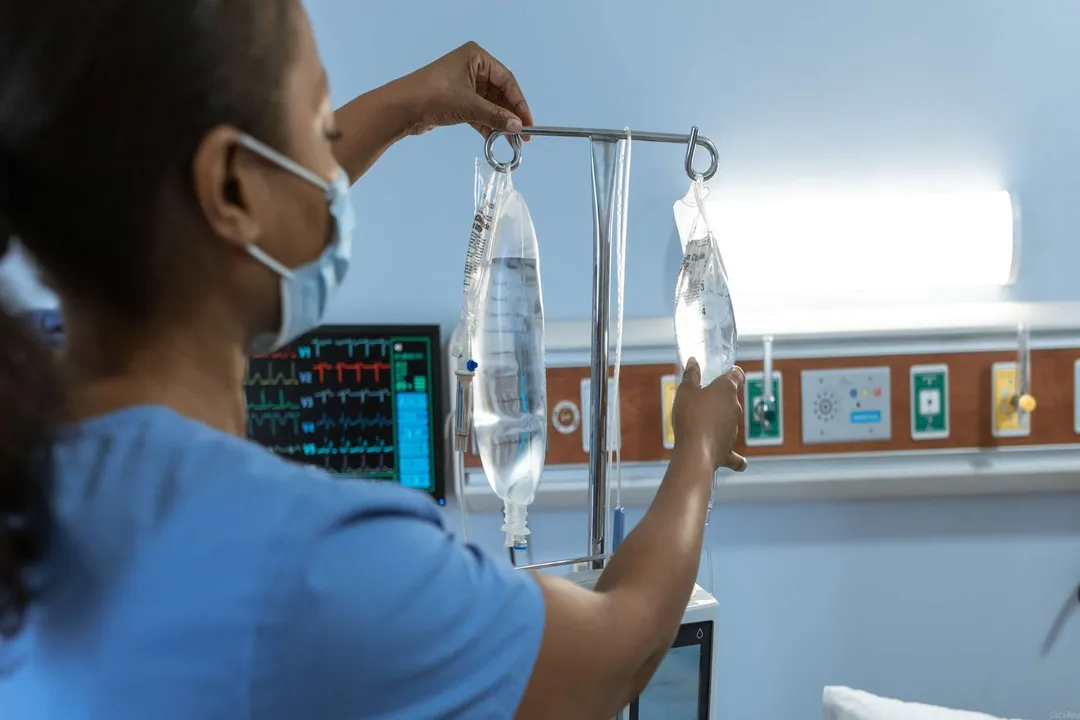
In practice, the commitment to patient safety often compels staff to remain beyond their scheduled end time, especially when staffing levels are inadequate or during peak patient influx periods like flu season. The expectation is that the worker remains until their patient load is safely transferred to the oncoming staff. This results in the documented 12-hour shift often naturally extending into 13 or 14 hours on many occasions, even though the intent was to work only 12 hours.
Related Questions
What is the typical industry standard work week structure often revolving around for many nurses?Under the Fair Labor Standards Act (FLSA), what defines the standard workweek for non-exempt employees regarding overtime triggering?What does the Fair Labor Standards Act (FLSA) explicitly not require employers to pay overtime for concerning daily hours worked?What is cited as the primary advantage that healthcare professionals accept when opting for the 12-hour shift trade-off?How do California state regulations specifically alter the work-hour landscape for healthcare workers in certain settings?How might a hospital find the 12-hour format beneficial regarding continuity of care compared to an 8-hour coverage base?Based on the comparison chart provided, how many fewer commute days does the 12-Hour Standard schedule incur weekly compared to the 8-Hour Standard schedule?Due to the pressure of coverage gaps and ensuring appropriate patient handoff, what often happens to documented 12-hour shifts in reality?Which healthcare role is cited as an example where hours can fluctuate wildly due to emergency or project-based commitments, exceeding standard shift norms?What general observation is indicated regarding hospital workers' reported hours compared to their non-hospital counterparts?