What is the best career in healthcare?
Determining the single "best" career in healthcare is less about finding one definitive answer and more about matching individual priorities—whether they lean toward high compensation, direct patient interaction, research, or work-life balance—with available roles. [5] The healthcare sector is vast, offering paths that require everything from short-term certification to advanced doctoral degrees. [9] What is considered excellent for one person might feel restrictive or unfulfilling for another, which is why looking at objective rankings alongside subjective experiences is vital. [1][2]
# Defining Metrics

The perception of a "best" job hinges on measurable criteria. Objectively, job satisfaction rankings often consider factors like work-life balance, stress levels, projected salary, and future outlook. [1] For example, U.S. News & World Report has consistently placed roles like Nurse Practitioner (NP) near the top of their overall best jobs lists. [1] These high rankings often reflect a strong combination of high median salaries, low unemployment rates, and significant growth prospects. [1][6]
However, salary is a primary driver for many considering a career shift or initial entry into the field. When looking specifically at compensation among non-physician roles, the highest earners often gravitate toward specialized management or advanced practice nursing. [4] Roles such as Nurse Anesthetist, Nurse Practitioner, and Physician Assistant frequently command salaries that rival or exceed those in other high-demand sectors. [4]
In contrast, satisfaction reports sometimes paint a more nuanced picture. While an NP role might rank highly overall, subjective feedback from current professionals suggests that the actual daily grind can involve significant administrative burden or on-call demands, impacting perceived enjoyment. [2] This highlights a critical divergence: a job can be "best" financially or statistically, but not necessarily "enjoyable" day-to-day. [2]
# Top Performers
To provide a tangible starting point, comparing some of the most frequently cited high-achieving careers across different metrics is helpful. Many lists prioritize roles that involve clinical decision-making and require advanced education. [1][3]
For instance, the roles often cited as top healthcare jobs consistently include those in advanced practice nursing and technology:
| Career Title | Typical Education Level | Key Focus Area |
|---|---|---|
| Nurse Practitioner (NP) | Master's or Doctoral | Primary/Specialty Care, Diagnostics, Treatment [1][4] |
| Physician Assistant (PA) | Master's | Practicing medicine under physician supervision [1][7] |
| Medical and Health Services Manager | Bachelor's/Master's | Administrative and operational leadership [4][7] |
| Physical Therapist (PT) | Doctoral | Restoring function and movement [1][7] |
| Medical Laboratory Scientist | Bachelor's | Analyzing bodily fluids and tissues [7][8] |
Roles in medical technology, while perhaps not always topping the salary charts compared to NPs, are cited among the top 50 healthcare careers due to their stability and necessity. [8] These include positions like Medical Laboratory Technicians, who perform essential testing that guides patient treatment, often working behind the scenes. [8] The Bureau of Labor Statistics (BLS) confirms robust growth across many of these occupations, indicating strong job security nationwide. [6]

# Career Entry Paths
The "best" career must also align with the time and financial investment a person is willing or able to make in their education. Healthcare offers a surprisingly flexible spectrum of entry points. [9]
One path involves quick entry through associate's degrees or certifications. For example, a Medical Assistant or an entry-level Laboratory Technician can enter the workforce relatively quickly, providing immediate support in clinics or labs. [8][9] These roles are crucial for the smooth running of any medical facility, as they handle vital administrative and preliminary diagnostic tasks. [8]
For those with bachelor's degrees, roles like Registered Nurse (RN) or certain specialized technologists are common entry points. [9] RNs consistently feature highly in employment statistics due to constant demand across various settings, from hospitals to schools. [6][7]
The advanced track, leading to the highest compensation and autonomy, usually requires a graduate degree or doctorate. Becoming a Nurse Practitioner, for example, builds upon an existing RN license, requiring a master's or doctoral degree. [1][9] Similarly, careers like Physical Therapy or Occupational Therapy now often mandate a doctoral degree for entry. [1][7] Considering the sheer number of degree options—from certificates to doctorates—a prospective student should map out the required time commitment against their desired scope of practice early in the process. [9]
# Subjective Fulfillment
While data on salary and growth is straightforward, gauging enjoyment requires looking at the day-to-day reality, which is often best captured by those currently working in the field. [2] On forums where healthcare workers discuss enjoyable roles, themes emerge that often contrast with the highest-paid positions.
For instance, some commenters suggest that while being an NP is rewarding due to diagnostic autonomy, the administrative load can be exhausting. [2] Conversely, certain technical roles, like those in diagnostic imaging or medical coding, are sometimes praised for offering more predictable hours and less direct emotional exhaustion compared to bedside nursing or emergency care. [2] One theme that surfaces repeatedly is the value of autonomy and variety in preventing burnout. [2] A role that allows a practitioner to control their schedule or encounter different types of challenges daily is often rated highly, even if the paycheck is slightly lower than the absolute top tier. [2]
This realization leads to an important self-assessment point: if long-term job satisfaction is the primary goal, a role that involves a substantial amount of patient-facing emotional labor (like social work or primary care) might be less sustainable than a specialty requiring deep technical focus, provided the individual has the temperament for intense human connection. [5] It is essential to research the daily tasks, not just the title, when evaluating if a career path offers personal alignment. [5]

# Military Options
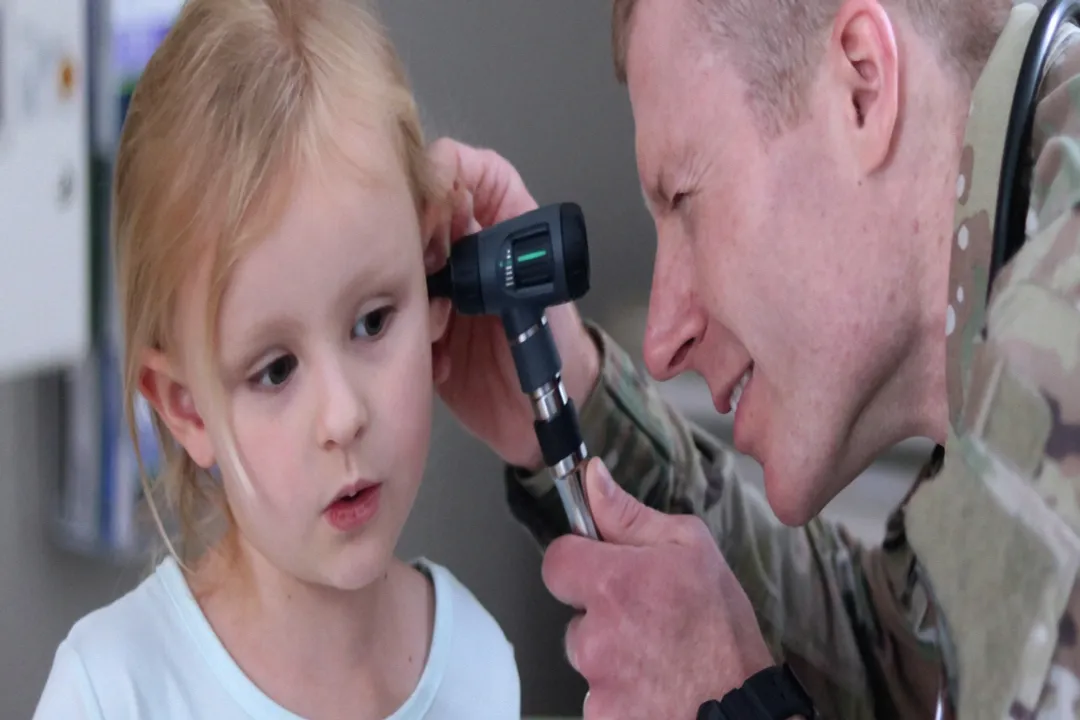
An often-overlooked dimension of healthcare employment involves service within the armed forces, such as the U.S. Air Force. [10] Military healthcare careers offer unique benefits, including comprehensive support, career progression, and the chance to serve in diverse operational environments worldwide. [10] Individuals with various levels of training, from technicians to physicians, can find roles within this structure. [10] While the commitment involves military service obligations, the career path provides built-in structure and often excellent educational support for advancement. [10] This presents a compelling alternative for those who value service and structure alongside their clinical practice.
# Charting The Next Steps
For anyone feeling overwhelmed by the options, developing a systematic approach is key. The "best" path begins with honest self-reflection on what trade-offs are acceptable. [5]
A practical way to narrow down choices is to create a simple weighted matrix based on personal values. For example, if work-life balance is twice as important as starting salary, assign a weight of 2 to that factor when scoring potential careers against published data. [1][6]
Here is a synthesized tip for navigating the educational investment: Before committing to a multi-year, high-cost graduate program (like an NP or DPT), investigate the salary ceiling for mid-career professionals in that field and the typical starting salary for those who opt for a faster route (like an RN or a specialized technician) after gaining several years of experience. [4] Sometimes, the salary premium achieved after seven or eight years of work experience in a highly skilled but perhaps less degree-intensive role can bridge a significant gap with advanced degree holders, without the added debt load. [9]
Finally, seeking firsthand knowledge is irreplaceable. While online rankings and salary surveys offer excellent generalized data, nothing substitutes for shadowing or informational interviews. [5] Spending a day observing a Medical Laboratory Scientist versus an Emergency Department RN provides an authentic, unfiltered view of the daily reality, which often proves more insightful than any statistical report when making the final decision. [2][5]
Related Questions
#Citations
Best Health Care Jobs - U.S. News Careers
What healthcare careers are actually enjoyable? : r/careerguidance
Top 25 Healthcare Careers in 2026 [+ Salary & Career Growth]
20 Highest Paid Non-Physician Jobs in Healthcare | Medical Field ...
Which Healthcare Career Is Right for You? - Explore Health Careers
Healthcare Occupations - Bureau of Labor Statistics
Careers A-Z - Explore Healthcare Careers - Mayo Clinic College of ...
Top 50 Health Careers - Salary & Career Growth
11 Types of Healthcare Degrees You Can Earn in 2 Years or Less
Healthcare Careers - U.S. Air Force