What are the risks of being a healthcare worker?

The dedication required of healthcare workers often places them in environments where hazards are inherent to the service provided. While saving lives and promoting health is the mission, the reality of the job frequently exposes professionals to a spectrum of dangers, ranging from physical injury to emotional exhaustion and threat of violence. [4][7] These risks are not abstract; they translate directly into lost workdays, chronic health issues, and a constant strain on the well-being of those on the front lines. [1][4] Understanding the scope of these dangers is the first step toward creating safer working conditions.
# Bodily Strain
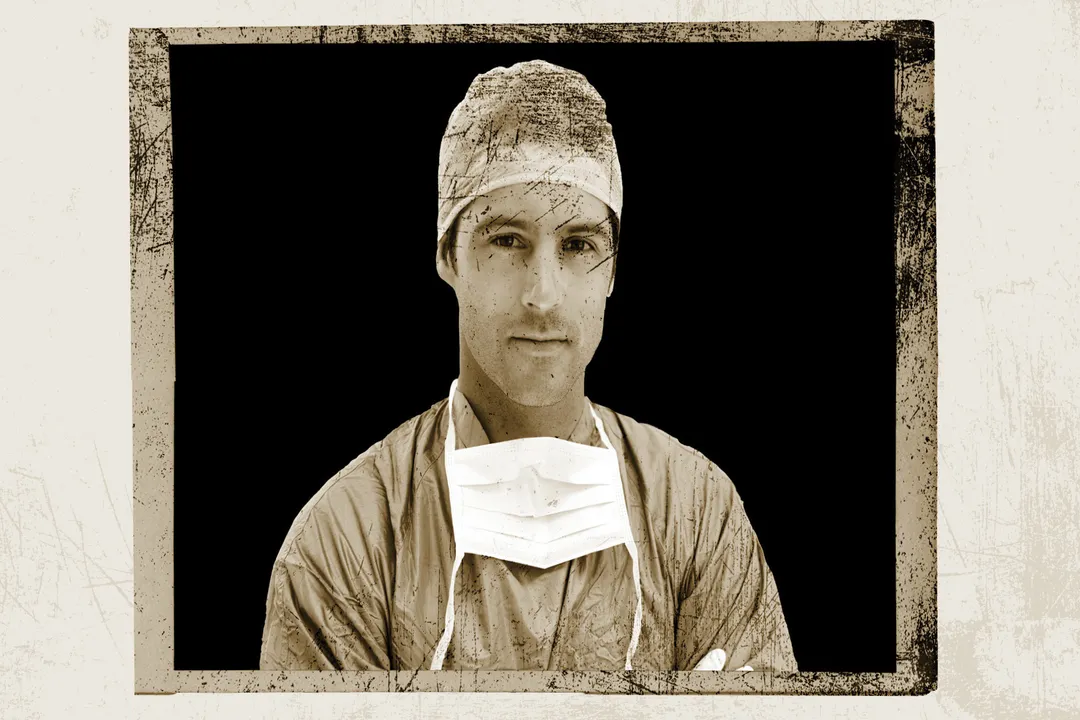
One of the most pervasive and often underestimated risks in healthcare involves the physical toll of the work, primarily manifesting as musculoskeletal disorders (MSDs). [2] The constant need to move, lift, reposition, and support patients—many of whom may have limited mobility—places immense stress on the back, shoulders, and extremities. [2][3] The frequency of these activities is high, and while a single patient transfer might seem minor, the cumulative effect over years of practice can lead to serious, debilitating injuries. [2]
The risks are not limited to patient handling. Repetitive motions involved in tasks like charting, performing procedures, or even manipulating complex medical equipment contribute to strains and chronic pain. [3] Furthermore, awkward postures adopted during surgery, dental work, or while examining patients in non-ergonomic settings create long-term structural damage. [2] For instance, surgeons and operating room staff often endure prolonged static postures, which is a risk factor often discussed alongside the more acute hazards of the operating theater. [2]
It is worth noting the contrast between the acute, sudden injury (like a fall) and the insidious onset of MSDs. While a slip might be covered under immediate reporting protocols, the slowly developing back pain from years of improper lifting techniques often goes undiagnosed or untreated until it forces a break in service, representing a silent epidemic within the profession. [2][3] This distinction highlights a need for proactive, rather than reactive, ergonomic support.
# Infectious Exposure
Healthcare environments are, by definition, places where infectious agents are present, placing workers at a direct risk of exposure to pathogens. [3][4] This hazard category includes exposure to bloodborne pathogens, airborne illnesses, and contact with contaminated surfaces or fluids. [3] Needlestick injuries, for example, remain a significant concern, posing risks of transmitting viruses such as HIV or Hepatitis B and C. [3][4]
The threat evolves with global health crises. During outbreaks, the sheer volume of infectious patients increases the probability of exposure, demanding stringent and consistent use of personal protective equipment (PPE). [3] Beyond known pathogens, healthcare workers can also face exposure to chemical hazards, including anesthetic gases, sterilizing agents, and various pharmaceutical compounds. [3] Proper ventilation, containment protocols, and consistent training on safe handling are non-negotiable elements in mitigating these constant biological and chemical exposures. [1]

# Workplace Violence
Perhaps the most alarming risk escalation in recent years involves direct violence from patients or visitors. [8] Healthcare workers are frequently subjected to verbal abuse, threats, physical assaults, and even injury inflicted by individuals in their care or accompanying them. [6][8] Data suggest that violence against surgeons and other clinical staff is increasing, a trend that safety bodies are actively trying to address. [8] Assaults can stem from various factors, including patient frustration, delirium, mental health crises, or even simple agitation in high-stress settings like emergency departments. [7][9]
The Joint Commission emphasizes that a safe environment is crucial for staff well-being and quality care, pointing to violence prevention programs as necessary components of institutional safety plans. [5] Security risks are not confined to direct patient interaction; assaults can occur anywhere within a facility, from waiting rooms to parking lots. [6] The reality is that for many staff, especially those in direct care roles, the potential for sudden, unpredictable physical aggression is a daily concern. [7][8]
# Mental Load
The strain on healthcare professionals extends deeply into their psychological well-being. The nature of the work involves dealing with suffering, death, critical decision-making under pressure, and managing high patient acuity, all contributing to significant emotional fatigue. [4] This constant exposure to stressful situations is a primary driver of burnout, defined by emotional exhaustion, cynicism, and a reduced sense of personal accomplishment. [4][5]
Fatigue is another critical factor. Long shifts, mandatory overtime, and chronic understaffing contribute directly to physical and mental tiredness, which, in turn, increases the risk of making errors. [4][9] When considering the physical strain and the exposure to violence, it becomes clear that the cumulative risk exposure for healthcare workers is often compounded. An exhausted professional who has just dealt with an aggressive visitor is at a higher risk for an MSD during the next patient transfer, illustrating how psychological pressures degrade the ability to safely manage physical ones. [9] This interlocking nature of risk—where stress amplifies physical danger and vice versa—demands a perspective that looks at overall occupational health rather than isolated hazards. [4][5]
# Proactive Safety Culture
Addressing these multifaceted risks requires organized, authoritative oversight and proactive institutional commitment. [1][5] Organizations like the Occupational Safety and Health Administration (OSHA) mandate that employers provide a workplace free from recognized hazards, which includes implementing effective safety programs in healthcare settings. [1] The Joint Commission, in its safety initiatives, signals that workforce safety is inextricably linked to patient safety, pushing organizations toward comprehensive worker protection strategies. [5]
Effective risk reduction involves several key components derived from best practices:
- Engineering Controls: Modifying the work environment or equipment to reduce exposure. This includes installing security measures, using lift-assist devices to prevent MSDs, and ensuring proper ventilation for airborne hazards. [1][2]
- Administrative Controls: Changing the way people work. This covers developing safe patient handling policies, limiting shift durations to combat fatigue, and establishing clear procedures for reporting and responding to workplace violence. [1][5]
- Personal Protective Equipment (PPE): Providing and mandating the correct use of barriers like gloves, gowns, masks, and eye protection against infectious or chemical agents. [3]
While regulatory bodies set the minimum standards, a high-trust organizational culture moves beyond mere compliance. [5] For example, an effective violence prevention program, as supported by safety research, must involve ongoing staff training not just on how to de-escalate, but also on institutional support mechanisms provided after an incident occurs. [6][8] Merely having a policy is less effective than having staff who feel genuinely supported when they must report an exposure or an assault. [5] Focusing on these systems of support strengthens the entire safety net, making the workplace feel genuinely safer, which in turn can improve retention and service quality. [9]
Related Questions
#Citations
Healthcare - Overview | Occupational Safety and Health Administration
Health problems in healthcare workers: A review - PMC - NIH
Occupational Health Risks in the Healthcare Industry
Occupational health: health workers
Workforce Safety & Well-Being - Joint Commission
New research reveals almost half of healthcare workers are ...
What types of risks do health care workers face on the job?
Violence Escalates against Surgeons and Other Healthcare Workers
Healthcare workers face these 5 risks | Rehbock & Wilson