How does Telecare work?
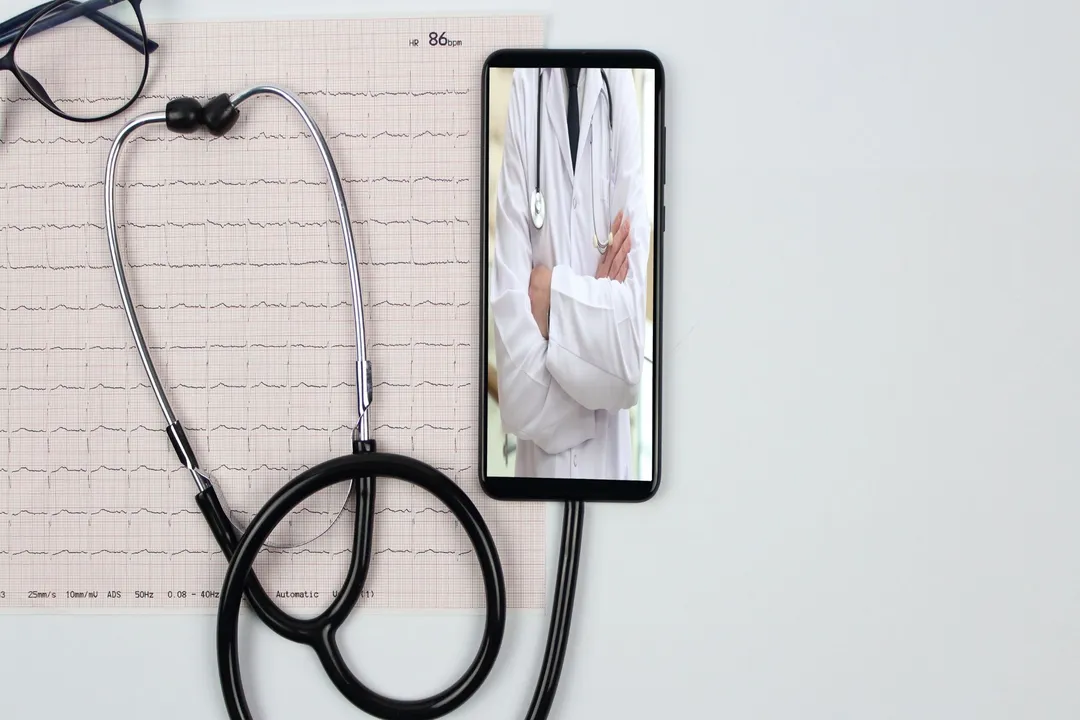
Telecare represents a collection of monitoring and communication technologies designed to help people remain safe and independent in their own homes for longer periods. [3][8] At its most fundamental level, telecare is about providing rapid access to assistance when it is needed, whether for emergencies like a fall or for non-urgent queries about daily living. [4][5] It is distinct from telehealth, which generally focuses on remote clinical monitoring, like checking blood pressure or blood sugar levels from afar. [6] Telecare, conversely, is primarily concerned with safety, security, and responding to immediate incidents or providing reassurance. [4][6]
# System Mechanics
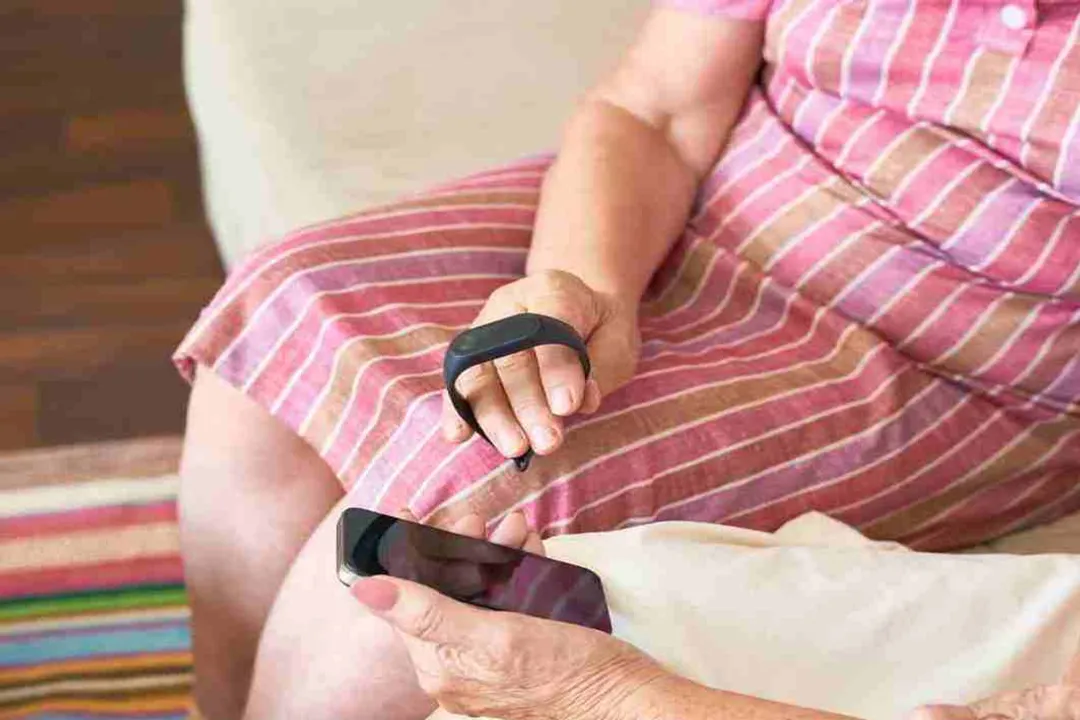
The core function of a telecare system revolves around an immediate communication link established between the service user and a monitoring center, typically available around the clock. [2][5] This process usually begins when a person realizes they need help. If someone falls, feels unwell, or is otherwise unable to reach a phone, they activate a device designed for immediate access. [2]
The activation triggers an alert. This alert signal travels from the user's personal device—often a pendant or wristband worn around the neck or wrist—to a base unit or hub located within their home. [2][5] This base unit is usually connected to the public telephone network or sometimes via a mobile/cellular network. [2][9] Once the base unit receives the signal, it automatically dials out to a dedicated monitoring service. [2][5]
When the call connects, the user speaks directly with an operator at the monitoring center. [5] The operator confirms the situation, assesses the urgency, and determines the appropriate next steps. [2] This assessment is crucial; the operator needs to quickly differentiate between a genuine medical emergency requiring an ambulance and a situation where, perhaps, the user just dropped the pendant and needs reassurance. [5] If emergency services are required, the operator contacts them immediately. If the situation is less severe, the operator might contact a designated key holder, such as a family member, neighbor, or carer, to check in on the individual. [2][4][5] The entire sequence, from pressing the button to initiating contact with emergency responders or family, needs to be swift and reliable for the system to be effective. [2]
# Essential Hardware
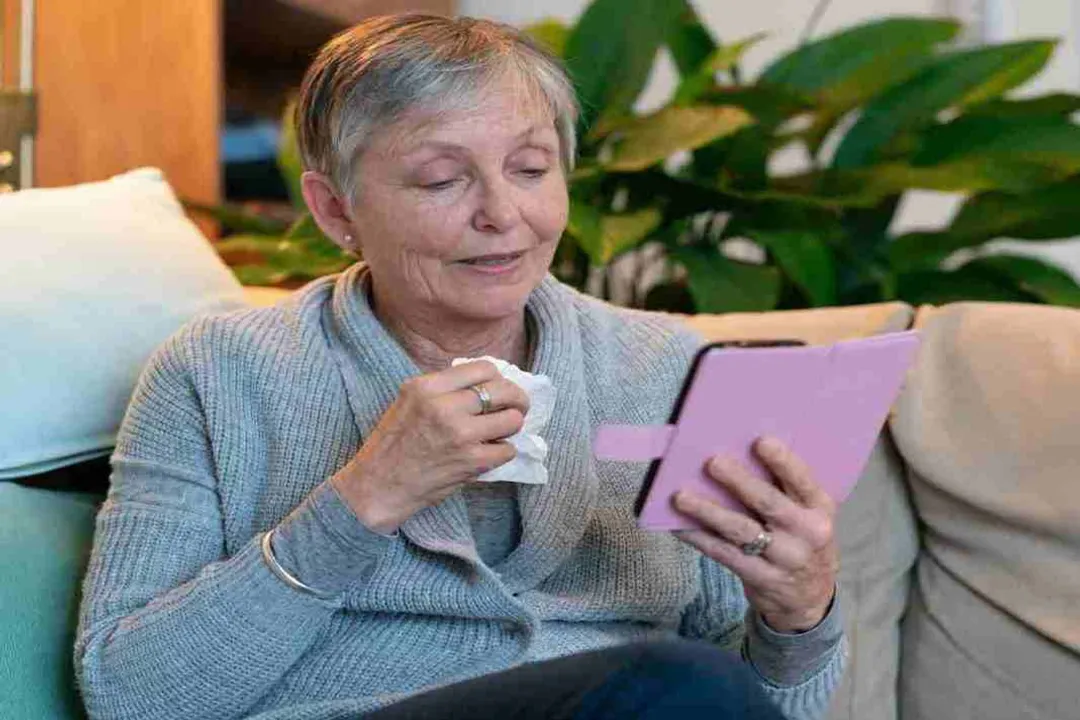
For this communication process to function, several key pieces of equipment must be in place within the home environment. [5][9] The most visible and frequently used item is the personal alarm unit, often referred to as a pendant or wristband. [3][9] These are designed to be waterproof so they can be worn safely in areas like the bathroom, which are common locations for accidents. [3] The key feature of these devices is a clearly marked button that initiates the call for help with a simple press. [9]
Connected to these personal alarms is the main base unit or alarm unit. [2][5] This is the device that plugs into the telephone socket or uses a SIM card to transmit the alert signal. [2] It contains the speaker and microphone, allowing for two-way conversation between the user and the monitoring center once the call is established. [5] Modern systems often integrate features that allow the base unit to communicate with various other devices installed around the home, extending the protective reach beyond just the personal pendant. [5]
The system also relies on secondary sensors that can be placed strategically around the house to monitor for specific risks, such as smoke detectors, carbon monoxide alarms, or fall detectors. [3][5] A fall detector, for instance, uses sensors to recognize the pattern of a sudden fall and can automatically trigger an alert even if the person is unconscious and unable to press their pendant button. [5] The base unit collects signals from all connected peripherals and relays them to the monitoring station. [5]

# Response Tiers
Telecare is not a one-size-fits-all service; the level of response dictated by the system is often tailored to the individual’s needs and preferences. [1] Services can generally be categorized by how they handle incoming alerts and the time of day they cover. [1]
Some basic schemes might only be designed for daytime use or for individuals who have a reliable network of family or friends nearby who can respond quickly. [1] In these cases, the telecare service acts primarily as a digital telephone for emergencies, connecting the user to their named contacts rather than an official 24-hour monitoring station. [1]
More commonly, however, telecare involves a 24-hour monitoring service. [4] This level of service ensures that regardless of when an incident occurs—be it 3 AM or 3 PM—there is a trained professional ready to take the call. [4][5]
Within the professional monitoring model, there are often differentiated response protocols:
- Direct Emergency Service Dispatch: For clear, life-threatening emergencies (e.g., severe injury, fire confirmed), the operator contacts the appropriate emergency service (police, fire, ambulance) immediately. [5]
- Key Holder Contact: If the user is safe but needs assistance that doesn't require an emergency response—perhaps they are locked out of the house or need help getting up after a non-injury slip—the operator contacts pre-selected family members or neighbors listed as key holders. [2][5]
- System Check/Reassurance: If the user presses the button accidentally, the operator initiates contact to confirm everything is fine and concludes the call, often logging the false alarm. [5]
Thinking about setting up such a system requires considering local infrastructure. For instance, in areas with patchy mobile phone coverage, ensuring the telecare base unit is compatible with a cellular/GSM connection rather than relying solely on a landline can be a critical decision point for reliable service, as landlines are increasingly being phased out in some regions. [2] If the primary connection relies on a traditional copper landline, any disruption to that phone service—due to maintenance or other issues—can render the telecare system inert until the line is fixed, which is a risk factor that cellular backup systems mitigate entirely. [2]
# User Profiles
The primary audience for telecare technology consists of older adults who wish to maintain their independence at home, a desire common across many Western nations. [8][9] However, the technology is not limited by age; it is also invaluable for individuals managing long-term health conditions that might lead to unexpected incidents, such as epilepsy or severe mobility issues. [8]
For many older service users, the greatest value comes from the psychological benefit—the peace of mind that comes from knowing help is instantly available. [7] This psychological security can reduce anxiety related to living alone, which in itself can contribute to better overall well-being and potentially reduce the likelihood of stress-induced health episodes. [7]
Furthermore, telecare systems can be adapted to manage specific risks. While falls are a major concern, systems can also incorporate sensors related to the home environment itself, such as flooding or gas leaks, offering a broader sense of security than just personal assistance. [3] This multi-sensor capability transforms the device from a simple personal alarm into a comprehensive in-home safety monitor. [3][5]
# Customizing the Safety Net
Understanding how the system works also means appreciating the different types of programs available, as not all services are packaged identically. [1] Telecare providers often offer packages that mix and match monitoring capabilities with specific in-home sensors. [1]
Some standard program types include:
- Personal Alarms: The basic offering, focusing only on the pendant/wristband activation. [1]
- Environmental Monitoring: Integrating devices like smoke alarms, heat sensors, or flood detectors that automatically alert the monitoring center if a hazard is detected, irrespective of the user's actions. [1][3]
- Activity Monitoring: Less common but growing, this might involve sensors that track movement patterns. While this doesn't generate an immediate alert, anomalies in routine—such as no movement detected during daytime hours when activity is expected—can prompt a welfare check call from the monitoring service. [1]
When choosing a service, it is beneficial to map out the expected daily routine. For example, if the primary concern is a complex medical event where the individual might not be able to press the button, prioritizing systems with reliable automatic fall detection becomes paramount, even if it adds to the monthly cost. [5] Conversely, for someone mainly worried about daytime slips or needing help with small tasks, ensuring the key holder network is robust and readily accessible might be the main focus. [1]
# Maintaining Reliability
A telecare system is only as effective as its weakest link, which often lies in maintenance or setup procedures. [7] While these devices are designed to be simple to operate, they rely on power, battery life, and clear communication lines. [2]
A critical, though often overlooked, aspect of long-term telecare success is the habit of testing. Most monitoring services schedule automated weekly or monthly check-ins where the user is prompted to press their button to ensure the signal gets through and the monitoring center acknowledges it. [5] However, users should be encouraged to perform random, unprompted tests themselves, perhaps once a month when they are fully capable and alert, just to be certain they remember exactly how the pendant feels and sounds when activated. This small, proactive step reinforces muscle memory for the actual emergency.
Another key maintenance point involves power. Many base units operate on mains electricity but have a backup battery for power outages. [2] Understanding the expected lifespan of that backup battery—often around 24 hours—is vital information that should be readily available to the user and their family. When the power goes out, the base unit should switch over, but if the battery itself is old or depleted, the system goes silent just when it might be most needed, such as if an electrical fault causes a fire. [2]

# Expanding Independence Through Technology
The narrative around telecare often centers on mitigating risk, but a significant, less-discussed effect is its capacity to support and expand personal independence. [7] When a person is constantly worried about a potential emergency rendering them helpless, they might naturally start avoiding activities, visitors, or even leaving the house—a condition sometimes called 'pre-emptive restriction'. [8] Knowing that a simple press of a button summons verified assistance breaks this cycle of anxiety.
Consider a scenario where an older gentleman lives alone and has mild arthritis, making him slightly unsteady on his feet in the morning before his joints warm up. Without telecare, he might skip his independent morning walk to the local shop for fear of falling unnoticed. With telecare installed, perhaps utilizing a fall-detecting pendant, that fear is significantly lessened. He gains the confidence to maintain his routine, which directly supports his physical and mental health more than simply staying on the sofa does. [7] This shift in behavior, enabled by the technology, is where telecare provides its deepest value: it doesn't just react to crises; it helps prevent the crises caused by fear and isolation.
Furthermore, the distinction between telecare and telehealth, while generally clear, is blurring with newer integrated systems. While telecare handles the emergency button, the base unit may now connect to simple, user-friendly devices that monitor environmental factors like room temperature or whether the front door has been opened recently. [1] If a family member sees via a web portal that the temperature in the house has dropped significantly overnight, they can intervene by calling the user or dispatching a key holder to check the heating system before the cold itself becomes a health risk to the occupant. This move toward proactive monitoring based on established patterns transforms the system from reactive support to preventative care management, even if the core function remains safety assurance. [1]
# Access and Setup Process
The initial setup is generally straightforward, though it requires cooperation between the provider, the user, and often a caregiver or family member. [9] The process typically begins with an assessment, either conducted in person or via detailed questionnaires, to determine the right equipment package and the appropriate response protocol—who gets called, and in what order. [1][4]
Once the package arrives, professional installation is often recommended to ensure the base unit is placed optimally—near a main living area and close to a functioning telephone point—and that all accessories, like bathroom pull cords or extra pendants, are correctly paired. [9] The installer should also walk through the entire process verbally and have the user successfully complete a test call to the monitoring center before leaving. [5] Documentation detailing emergency contacts, medical history known to the service, and instructions for troubleshooting (like how to check the status light on the base unit) should be left in a clearly visible place, such as near the telephone. [9]
In summary, telecare functions as a dedicated, always-on lifeline connecting an individual in their home to a response network via simple, dedicated hardware. It is a technology built around immediacy, reliability, and peace of mind, allowing individuals to manage risk while maximizing their ability to live independently for as long as they desire. [4][7]
Related Questions
#Citations
Program Types - Telecare
How does telecare work - Safe at home
Technology to keep you safe at home | Independent Age
What is Telecare
What is telecare and how does it work? - Reach & Respond
What is Telecare? | TakingCare
What is Telecare and What Does it Do? - Televeda
Telecare For The Elderly - A Guide To Monitoring Services
Telecare | NHS inform