How do I gain weight faster?
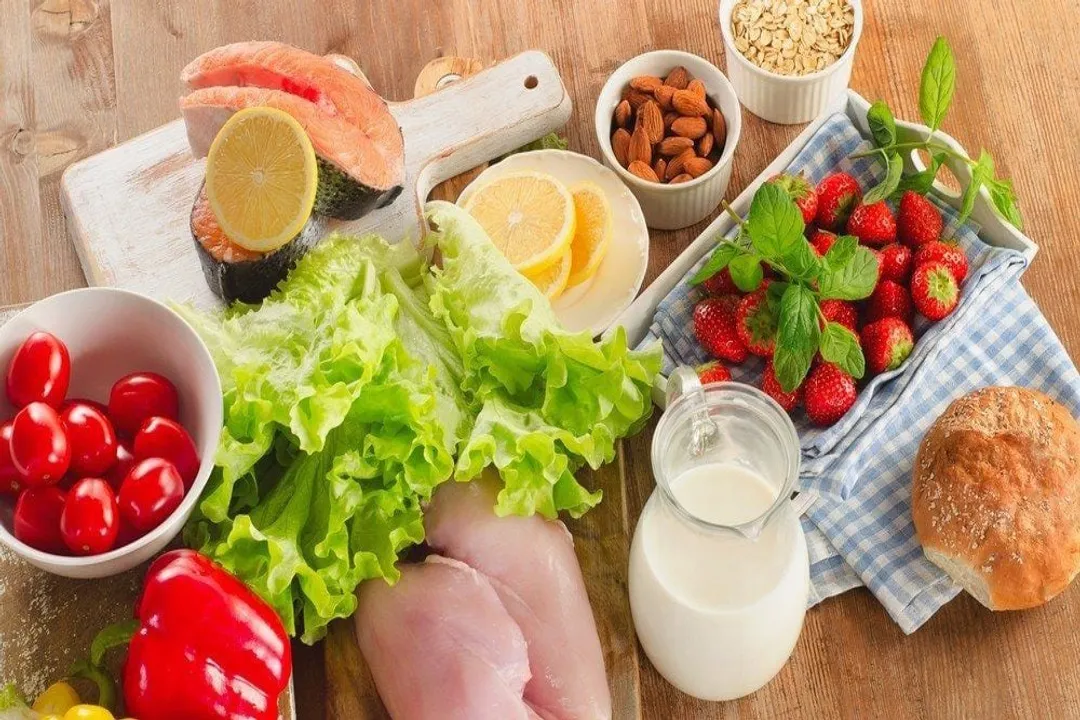
The challenge of putting on weight in a deliberate, healthy manner can be just as frustrating for some individuals as losing weight is for others. Whether you are naturally very lean due to a fast metabolism, or you are recovering from an illness, intentional weight gain requires a structured, consistent approach. Simply consuming excess junk food is not the answer; the goal is to increase lean mass and healthy fats, ensuring your body receives the necessary vitamins and minerals. Ignoring low body weight (a Body Mass Index, or BMI, under 18.5) carries risks, potentially leading to issues like weakened immune function, muscle wasting, and even fragile bones.
# Calorie Surplus

The fundamental principle of gaining weight—any weight—is creating an energy surplus: you must consistently consume more calories than your body burns throughout the day. For adults looking to gain weight gradually, aiming for an addition of approximately 300 to 500 extra calories daily is a common suggestion. It is important to understand that rapid weight gain is possible, but achieving it safely means structure is needed, combining high-calorie foods with resistance training. Drastic dietary changes should generally be discussed with a healthcare provider or dietitian first. Gaining lean body weight specifically is known to be a slow process, often requiring months or years, rather than a quick fix over a few weeks.
# Eating Plan
How you structure your eating routine is almost as important as what you eat. If you have a smaller appetite or get full quickly, trying to consume three large meals might be counterproductive. A more effective strategy involves eating smaller, more frequent meals, planning for three main meals interspersed with two or three nutritious snacks each day.
To maximize space for nutrient-dense food:
- Avoid filling up on drinks right before sitting down to eat; focus on drinking water between meals and planned snacks.
- Try using larger plates, as smaller ones can subconsciously signal the brain to eat less.
- When eating, prioritize the higher-calorie, energy-dense items on your plate first, saving high-fiber vegetables for last if necessary.
- If you struggle to remember to eat, set a timer to prompt you to consume a planned meal or snack every two hours.
# Fuel Mix
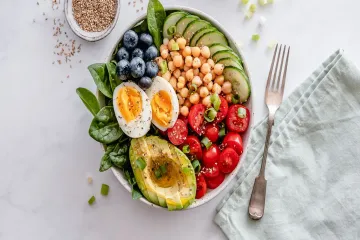
Healthy weight gain requires balancing the three macronutrients, but with an emphasis on consuming nutrient-rich foods over empty calories like soft drinks or chips. Your increased calories should come from a quality mix of protein, complex carbohydrates, and healthy fats.
# Protein Focus
Protein is the building block for lean muscle tissue. While the general Recommended Daily Allowance (RDA) for healthy adults is around per kilogram of body weight, this requirement increases if you are actively resistance training.
Excellent protein sources that also contribute fat and calories include:
- Red meats, with fatty cuts offering more calories than lean ones. Red meat contains the amino acid leucine, which stimulates muscle protein synthesis, and is a natural source of creatine.
- Oily fish like salmon, which provide high-quality protein alongside beneficial omega-3 fatty acids.
- Eggs—remember that nearly all the beneficial nutrients are concentrated in the yolk.
- Dairy options like whole-milk Greek yogurt (a serving can pack of protein) and cheese.
- Legumes and beans.
For those needing a significant boost, protein supplements like whey, soy, or pea protein can be convenient, especially when paired with resistance exercise. Research suggests that combining strength training with protein intake at or above per kilogram of body weight daily can effectively improve lean body mass.
# Carbohydrate Power
Complex carbohydrates are vital as they offer a steady energy release and help replenish muscle glycogen stores, which serve as the primary fuel for activity. Focus on nutrient-rich starches rather than processed sugars. Good choices include:
- Rice (very calorie-dense).
- Potatoes and sweet potatoes.
- Oats, quinoa, and buckwheat.
- Whole-grain bread.
# Fat Density
Fats and oils are your most potent tool for increasing calories without drastically increasing food volume, as they are among the most calorie-dense foods available. Adding just one tablespoon of olive oil to a salad or cooking process can quickly add about 120 calories.
Key high-fat, nutrient-dense additions include:
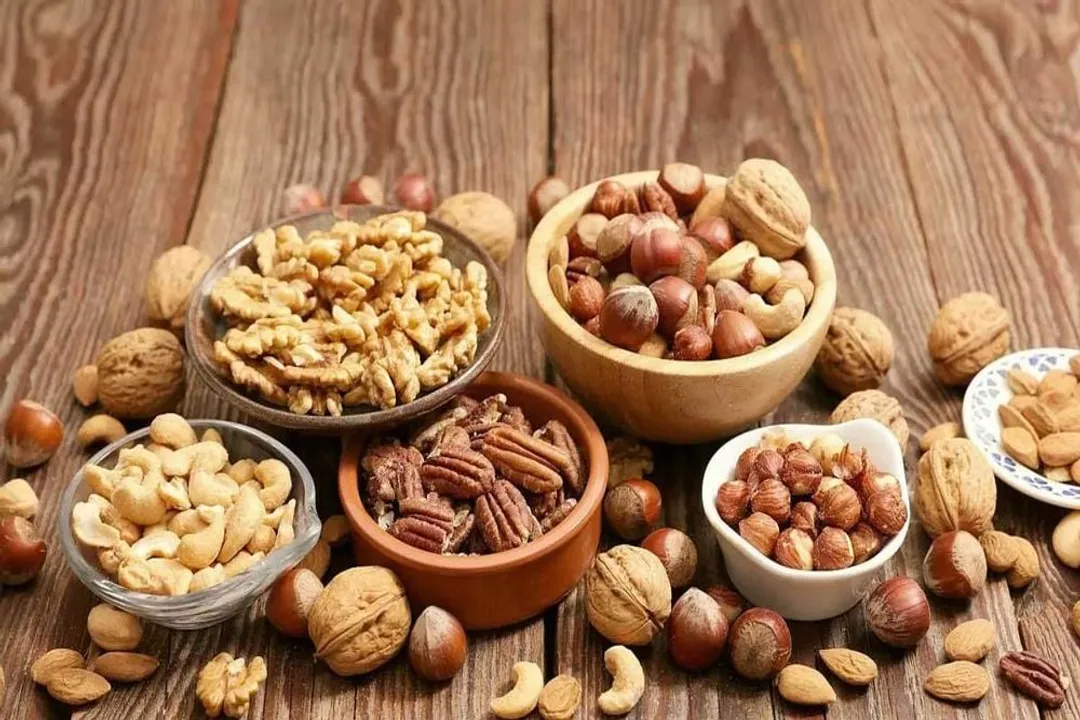
- Nuts and nut butters (e.g., cup of almonds offers and healthy fats).
- Avocados (a large one can contain around and of fat).
- Full-fat dairy like cheese and whole milk.
# Food Choices
To simplify this, here is a comparison of how some recommended foods contribute to your calorie goals:
| Food Item | Benefit/Key Component | Example Calorie Boost Method |
|---|---|---|
| Whole Milk | Balanced protein, carbs, fat, calcium | Drink a glass as a snack ( per cup) |
| Nuts/Nut Butter | Calorie-dense fats and protein | Two handfuls daily adds hundreds of calories |
| Avocado | High in healthy fats and fiber | Add to toast, salads, or omelets |
| Rice | Calorie-dense carbohydrate base | Top with cheese, eggs, or nuts |
| Dried Fruit | Natural sugars, antioxidants, fiber | Mix into yogurt or use as a snack |
| Dark Chocolate ($70%+$ cacao) | High calorie density, antioxidants | Add to trail mix or enjoy as a small, dense treat |
| Whole Eggs | High-quality protein and fats | Eat the whole egg, including the yolk |
Homemade protein smoothies are an exceptional way to pack calories and nutrients easily. A blend of banana, protein powder, and nut butter made with whole milk can easily provide in one serving.

# Muscle Building
If the objective is specifically to gain lean mass, diet alone will not suffice; you must pair your increased intake with an appropriate exercise regimen. Resistance training—using weights, machines, or body weight—is necessary to signal to the body that the extra calories should be directed toward muscle repair and growth rather than solely being stored as fat.
Aim for training sessions only two or three times per week, ensuring adequate recovery time, as muscle growth occurs during rest. Focus on compound exercises that engage multiple large muscle groups, like the squat or bench press, keeping workouts intense but short. While cardiovascular health is important, excessive aerobic activity can burn too many of the hard-earned calories needed for mass gain, so moderate cardio is advised. Crucially, adequate sleep is essential for muscle repair and growth processes to take place.
For a practical approach to implementation, consider the concept of a Calorie Density Multiplier in your daily planning. Instead of feeling obligated to eat enormous volumes of food at every sitting, identify one high-density element—like a tablespoon of olive oil, a serving of nuts, or a half-scoop of protein powder—and commit to adding that single element to every planned meal or snack. If you eat five times a day (3 meals, 2 snacks), consistently adding just via this multiplier technique results in daily without requiring massive plate sizes at every sitting, making the surplus easier to manage day after day.
It is also important to manage expectations about the final composition of your gain. While training directs calories toward muscle, it is a documented reality that attempting to increase muscle mass necessitates gaining some amount of body fat simultaneously; attempting to build muscle in a calorie deficit or perfectly lean environment is not physically possible. The ratio of muscle to fat gain will heavily depend on the inclusion of structured resistance work, contrasting sharply with simply eating more food without exercise, which directs the surplus heavily toward fat storage.
# Consistency Check
Gaining weight effectively relies heavily on consistency. You must maintain the increased caloric intake every single day, even on days you don't feel hungry or don't train. Keep a diary to monitor your intake and training schedule to reinforce commitment and spot where adjustments might be needed.
If you find yourself struggling to make progress despite adhering to a structured eating and exercise plan, or if you experienced sudden, unintentional weight loss, consulting a healthcare professional is necessary. Underlying conditions such as thyroid disorders or digestive issues could be interfering with nutrient absorption, requiring medical attention before further weight gain strategies can be effective. Professional guidance can help tailor your goals to be both realistic and safe for your unique body composition and health status.
#Videos
5 Best Foods For Rapid Weight Gain (Naturally) - YouTube
Related Questions
#Citations
Healthy ways to gain weight - NHS
[PDF] Weight Gain Tips
Healthy Weight Gain Strategies | Memorial Hermann
18 healthy foods to gain weight fast and effectively | Vinmec
Weight and muscle gain | Better Health Channel
How Can I Gain Weight Fast: Healthy Strategies and Tips
The 18 Best Healthy Foods to Gain Weight Fast - Healthline
5 Best Foods For Rapid Weight Gain (Naturally) - YouTube