What is healthier, a kiwi or an apple?
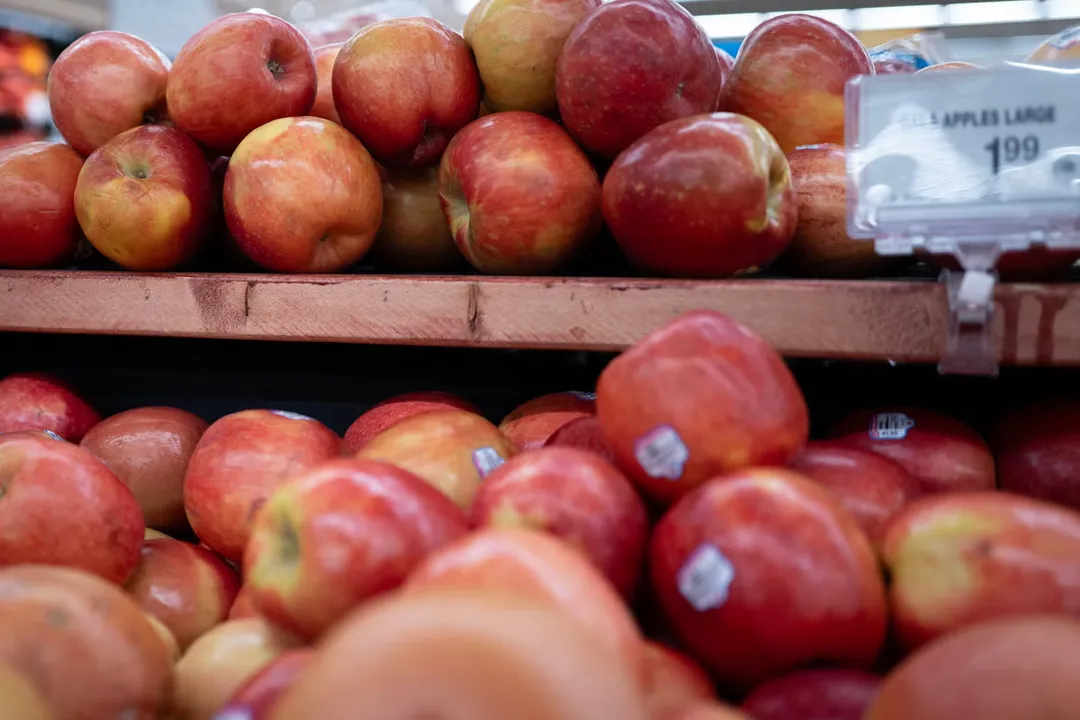
When weighing the nutritional merits of two familiar fruits, the kiwi and the apple, it becomes clear that choosing the "healthier" option depends entirely on what specific nutrient you are prioritizing at that moment. Both fruits regularly appear on lists of top healthy choices, frequently cited by dietitians for their distinct contributions to well-being. [4][9] Apples are famous for their convenience and accessibility, often eaten on the go, while kiwis bring a punch of tropical intensity and unique enzymatic action to the table. [1] A straightforward side-by-side comparison reveals that while they share common ground as whole foods, their micronutrient profiles diverge significantly.
# Energy Density
For those closely monitoring calorie intake, understanding the energy density of each fruit is a good starting point. A medium-sized apple generally contains around 95 calories, while a medium kiwi clocks in slightly lower, usually between 40 to 50 calories, depending on the variety and size. [8][2] This difference makes the kiwi potentially more favorable for individuals seeking a lower-calorie fruit serving. However, the total sugar content is also a factor, and both fruits are naturally sweet, offering carbohydrates for energy. [2] When looking at raw data, a 100-gram serving of a raw kiwi contains approximately 61 calories, compared to a raw Granny Smith apple which contains about 52 calories, suggesting that depending on the specific type of apple, the difference can be marginal or even slightly favor the apple in certain raw comparisons. [6][3]
# Vitamin Punch
The battle for vitamin superiority is where the kiwi often pulls ahead, especially concerning Vitamin C. Kiwis are exceptional sources of this essential antioxidant. A single medium kiwi can provide more than the recommended daily intake of Vitamin C. [1][2] Vitamin C is vital for immune function, collagen production, and fighting off oxidative stress. [1]
Apples, while certainly providing Vitamin C, do not match the kiwi's density in this area. For instance, a 100-gram serving of kiwi typically offers around 92.7 mg of Vitamin C, whereas the same weight of a Granny Smith apple provides about 4.6 mg. [6][3] This massive difference is a strong argument for the kiwi when boosting immune defenses is the primary goal.
# Folate and Vitamin K
Beyond Vitamin C, the profiles continue to diverge. Kiwis are also a solid source of Vitamin K, which is crucial for blood clotting and bone health. [2] Furthermore, they often outshine apples in folate content, which is important for cell division and DNA synthesis. [2] While apples do contain some folate, the kiwi generally presents a more concentrated dose of this B-vitamin, making it a quiet contributor to overall cellular maintenance.

# Fiber Content
Fiber is a critical component of both fruits, supporting satiety and digestive regularity. Apples are legendary for their fiber content, often recommended as a benchmark for measuring fiber in other produce. [5] A medium apple, especially one eaten with its skin, offers about 4.4 grams of total dietary fiber. [2]
The kiwi, however, presents a compelling case, often rivaling or exceeding the apple depending on the variety. A medium kiwi generally packs around 2.1 grams of fiber. [2] While this might look lower, it is important to consider the context of consumption.
# The Skin Factor Analysis
Here we encounter a crucial difference in how these fruits are typically consumed, which affects their actual fiber intake. Most people consume apples with the skin on, benefiting from the concentrated fiber and polyphenols located there. [1] Conversely, while the skin of a kiwi is technically edible and packed with fiber, most consumers discard it, only consuming the fuzzy flesh. [1] If one were to consume the skin of a kiwi—a practice that is gaining popularity—the fiber content would increase significantly, potentially narrowing the gap or even surpassing that of an unpeeled apple depending on the serving size and variety. [1] If sticking to the standard practice, the apple maintains a slight edge in total fiber per serving.
# Mineral Comparison
When looking at essential minerals, both fruits contribute meaningfully to daily requirements, but they specialize in different areas.
# Potassium Contribution
Potassium is vital for regulating fluid balance, muscle contractions, and nerve signals. [2] Apples provide around 195 mg of potassium per 100 grams. [3] Kiwis, meanwhile, offer a slightly higher concentration, generally providing around 312 mg per 100 grams. [2][3] If you are seeking a modest boost in this electrolyte, the kiwi provides a denser source relative to its size.
# Copper and Other Elements
Kiwis are also noteworthy for their copper content, an essential mineral involved in iron absorption and energy production. [2] Apples tend to have less copper than kiwis. Considering the overall mineral matrix, the kiwi offers a slightly broader spectrum of essential trace elements in denser amounts compared to the apple, which relies more heavily on its fiber and Vitamin C contribution for its high ranking. [2]

# Gut Health
The impact on digestion provides one of the most significant differentiators between these two fruits. While both fruits support gut health through their fiber content, the kiwi possesses a unique, naturally occurring enzyme that the apple lacks.
# The Actinidin Advantage
Kiwis contain a protease enzyme called actinidin. [7] This enzyme is specialized in breaking down proteins, which can significantly aid the digestive process, particularly after meals containing meat or dairy. [7] This makes the kiwi an excellent choice to consume alongside a heavy meal if you anticipate slower digestion. Apples, on the other hand, do not possess this specific enzymatic aid for protein breakdown. [7] While apples are celebrated for their soluble and insoluble fiber, which adds bulk and feeds beneficial gut bacteria, the kiwi offers a dual benefit: fiber and digestive enzyme assistance. [7][5]
If your primary digestive concern is breaking down tough proteins, the kiwi clearly wins. If your concern is purely promoting regularity through bulk fiber, both fruits are excellent, though the apple usually edges it out in a standard comparison. [5][2]
# Protective Compounds
Beyond the vitamins and minerals listed on standard nutrition labels, both fruits are packed with beneficial plant compounds, or phytochemicals, that offer protection against long-term disease.
Apples, particularly the skin, are rich in quercetin, a powerful flavonoid antioxidant. [1] This compound is associated with reducing inflammation and potentially improving heart health. [1] The variety of apple greatly matters here; darker-skinned varieties often contain more of these beneficial polyphenols than paler ones. [4]
Kiwis also contribute significant antioxidants, including Vitamin E and various carotenoids. [2] These compounds work synergistically with Vitamin C to protect cells from damage caused by free radicals. While the specific cocktail of antioxidants differs—apples leaning toward quercetin and kiwis toward Vitamin E and C—both represent strong sources of protective dietary components. [1][2] Making a consistent choice between them often comes down to personal preference for flavor or texture, as the overall antioxidant benefit is substantial for both.

# Daily Selection
Deciding which fruit to incorporate into your daily rotation should be guided by what your body needs most that day. It is rarely an all-or-nothing proposition; a varied intake is usually best.
# Actionable Tip: Timing Your Fruit Intake
To maximize the distinct benefits, consider when you eat them. If you are focused on boosting your immediate immune response or need help digesting a protein-heavy lunch, slice up a kiwi and eat it shortly afterward. The actinidin enzyme works best when consumed near the protein it is meant to break down. [7] For a more sustained energy release mid-morning or as a convenient, portable snack that also provides significant fiber, a whole apple—skin and all—is hard to beat. Because the apple’s fiber content is slightly higher when eaten whole, it tends to have a lower glycemic index impact than if it were juiced or peeled, offering steadier fuel. [5][4]
# Synthesis of Strengths
If we were forced to summarize their primary advantages in a simple chart based on common preparation methods (apple eaten with skin, kiwi peeled), the roles become distinct:
| Feature | Kiwi (Peeled) | Apple (With Skin) | Winner (General Focus) |
|---|---|---|---|
| Vitamin C | Very High (Approx. 90mg/100g) | Low (Approx. 4.6mg/100g) | Kiwi [3][6] |
| Total Fiber | Moderate (Approx. 2.1g/medium) | Good (Approx. 4.4g/medium) | Apple [2] |
| Digestive Enzymes | Contains Actinidin | None | Kiwi [7] |
| Potassium | Higher Density | Lower Density | Kiwi [2][3] |
| Quercetin (Antioxidant) | Lower | Higher (in skin) | Apple [1] |
| Calories | Slightly Lower (per 100g) | Slightly Higher (depending on type) | Kiwi [6][3] |
This comparison shows that the kiwi packs a more intense concentration of several key vitamins and digestive aids into a smaller package, while the apple offers superior bulk fiber and different beneficial antioxidants, largely thanks to its edible skin. [1][2][5] For routine general health maintenance, both are outstanding staples, offering significant hydration and essential nutrients. However, if you are specifically targeting a nutritional gap—like an acute need for Vitamin C or help with protein digestion—the vibrant green kiwi provides a targeted solution that the humble apple simply cannot replicate.
Related Questions
#Citations
Kiwi vs. Apple: Which Fruit Is Better for Digestion and Gut Health?
Apple Vs Kiwi - Nutrition Comparison - Souper Sage
Nutrition Comparison of Kiwifruit vs Apples vs Oranges
This fruit could be better for your overall health than an apple
9 Fruits That Have More Fiber Than an Apple - Verywell Health
Granny Smith Apple vs Kiwi: What is the difference? - Versus
Kiwi vs Apple: Which fruit is good for digestion and gut health? - 1mg
Kiwifruit Calorie Comparison - Zespri
The six healthiest fruits of all time, according to a dietitian