Is the wax on apples good for you?
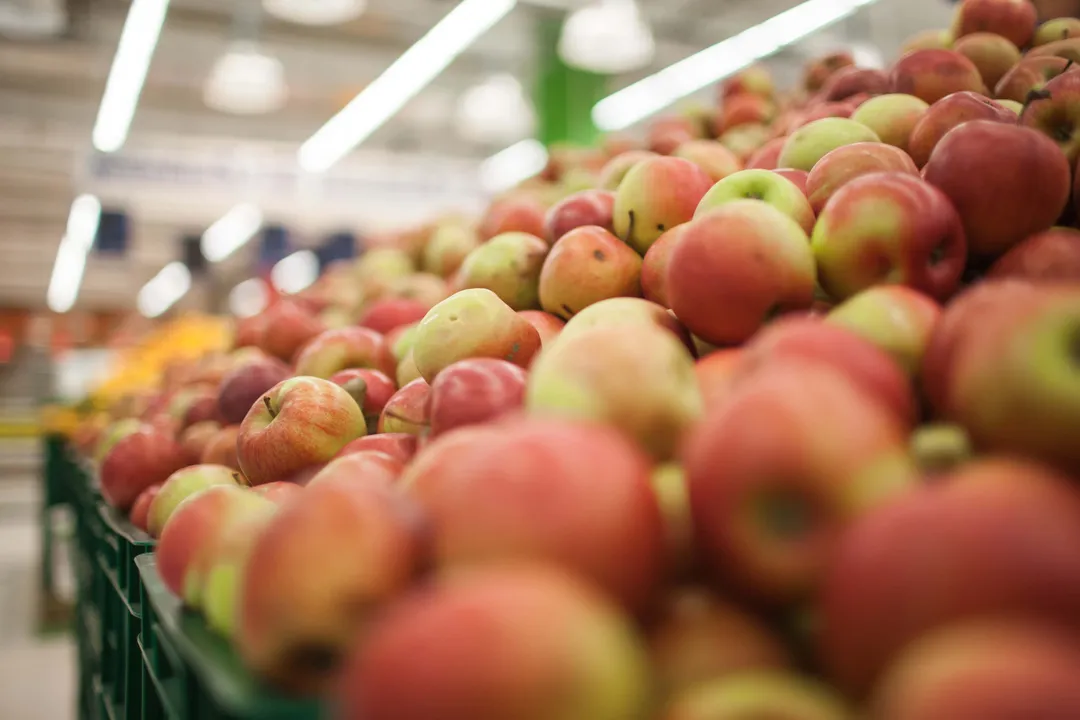
Apples arriving at the market with a characteristic sheen often spark curiosity, and sometimes concern, about what exactly creates that polished look. The reality is that the outer layer is a combination of nature’s own defense system and a carefully applied coating meant to keep the fruit appealing and fresh between the orchard and your kitchen. [3]
# Natural Protection
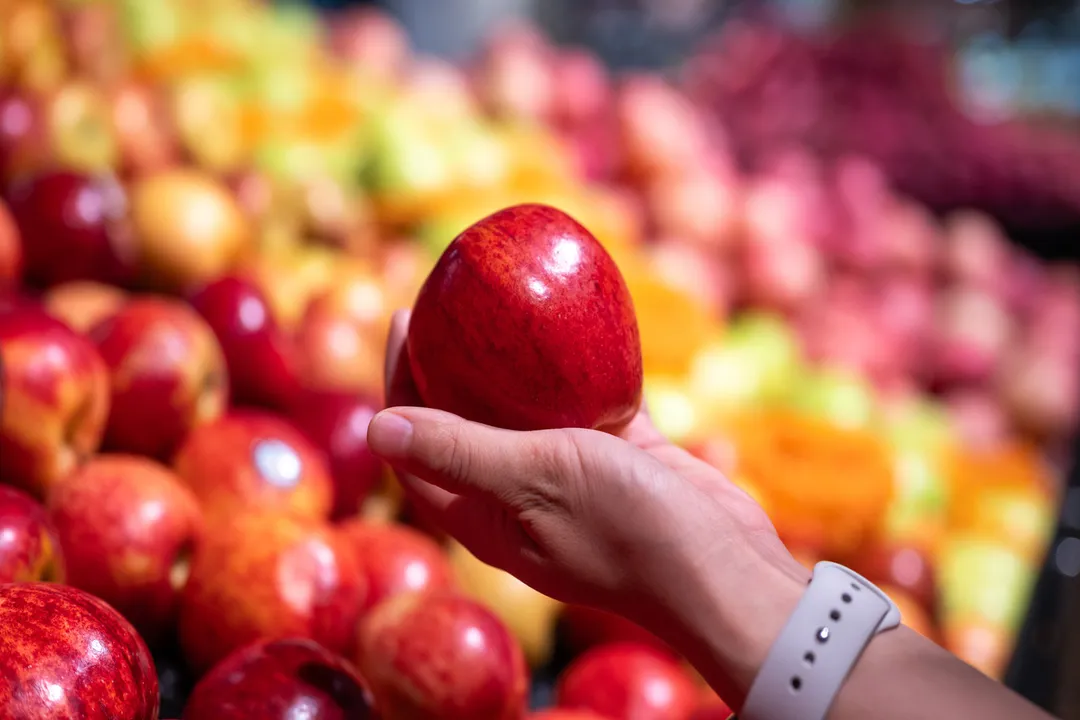
Every apple, as it grows, produces its own thin, waxy coating, often referred to as the bloom. This natural layer is critical because apples are mostly water—between 80 and 95 percent—and they constantly lose moisture through respiration and transpiration. [3] The wax acts as nature’s seal, helping to trap that vital moisture, which ensures the fruit maintains its desired crispness and firmness. [3] Beyond hydration, this natural barrier also inhibits the entry of bacteria and other microorganisms, and it helps keep mold from taking hold on the surface until harvest. Some sources note that this natural wax contains compounds like ursolic acid, a triterpenoid that might offer minor health benefits by inhibiting estrogen production, although the amount present is unlikely to provide significant impact.
# Commercial Necessity
Once apples are picked, they must undergo cleaning processes to remove field dirt, leaves, and debris before packing for shipment. [3] This necessary scrubbing effectively strips away the fruit’s original, delicate wax coating. [3] Without this protection, apples would quickly begin to shrivel, lose moisture, and soften during transit and storage. [3] To counteract this, many apple packers re-apply an edible, food-grade wax or coating. [3] This is not just for looks; it extends the fruit’s shelf life by continuing the essential work of slowing moisture loss, inhibiting mold, and protecting the fruit's structure. [3] Other produce items, such as pears, plums, and citrus fruits, also receive similar coatings to maintain quality.

# What Waxes Used
The coatings applied post-harvest are highly regulated and made from food-grade ingredients certified as safe to eat by bodies like the U.S. Food and Drug Administration (FDA). [3] Common components derived from natural sources include carnauba wax, which comes from the leaves of a Brazilian palm, and candelilla wax, sourced from reed-like desert plants. [3] Another ingredient mentioned is shellac, a resin secretion from the lac bug, though its percentage in the overall mix is often noted as less than two percent. [1][3] These same types of waxes are frequently approved for use in other food items like candies and pastries. [3]
It is worth noting that while industry sources emphasize these natural and food-grade coatings, some public discourse raises concerns about the use of petroleum-based waxes, such as paraffin, in the US market, and questions whether "food-grade" equates to a substance people should willingly ingest. [1]
# Safety Scrutiny
The primary public question revolves around whether consuming this wax is harmful or linked to serious health issues, specifically cancer. [1] Fact-checking resources generally confirm that the statement suggesting the wax itself causes cancer is false or misinformation. The waxes are highly diluted, indigestible, and regulated to be safe for consumption. They are designed to pass through the digestive system essentially untouched, similar to swallowing chewing gum.
While the waxes themselves are deemed safe by regulatory bodies, discussions often shift to other residues. [1] Concerns arise because the wax coating can potentially seal in residues from pesticides or fungicides that may have been applied during cultivation, especially if the pre-wax washing process is insufficient to remove them first. [1] However, regulatory agencies like the EPA monitor pesticides to ensure treated produce is safe for consumption with a reasonable certainty of no harm. The consensus among many reliable fact sources is that the edible coating presents no inherent danger, but washing produce is still crucial for removing surface dirt and residues.
# Cleaning Methods
If the presence of wax is bothersome, there are ways to mitigate it. Simple rinsing under running water can sometimes be effective, especially since warm water can help melt off the coating slightly. [3] Scrubbing with a vegetable brush is also recommended to remove surface dirt and adhere the wax. [3] However, using detergents on porous foods like apples is generally not advised. [3] Peeling the apple is the most surefire method to remove the wax layer entirely.
# Volume Versus Perception
When discussing the application of this coating, it is interesting to consider the scale involved. Industry information suggests that just a few drops of wax are sufficient to coat a single apple, with one pound of wax theoretically able to cover as many as 160,000 pieces of fruit. [3] This minimal application volume contrasts sharply with the visual impact of the shine, which might lead some consumers to believe the layer is much thicker or more substantial than it actually is. [1] In scenarios where people attempt to scrape the wax off for weighing, individual results may vary based on apple size and the thoroughness of scraping, leading to anecdotal evidence that seems to contradict the average industry figures. [1]
# Prep Routine
For those who wish to remove as much surface material as possible before eating an apple unpeeled—whether it is the natural bloom or the food-grade application—developing a consistent washing routine is key. A helpful approach involves combining gentle mechanical action with a mild, edible scrubbing agent. After rinsing the apple under lukewarm water, you can apply a paste made from baking soda and a little water, then gently scrub the entire surface using a soft brush or clean cloth. This combination has been suggested anecdotally as effective for breaking down and lifting the waxy layer and surface grime simultaneously, rather than just polishing the existing coating. [1] Always ensure a thorough final rinse, as the goal is to clean the surface, not consume the cleaning agent or any loosened debris. [1] Choosing apples directly from a local orchard or farmers market, where minimal post-harvest processing and waxing might occur, remains another avenue for those wishing to consume the fruit with only its natural bloom intact. [1]
#Videos
Don't Eat Apples Before Doing THIS – The Wax Could Be Poisonous!
Related Questions
#Citations
IsItBullshit: wax on US apples is cancerogenic/bad for your health?
Don't Eat Apples Before Doing THIS – The Wax Could Be Poisonous!
Apples and Wax Backgrounder - USApple
Wax on fruits and vegetables - Cancer FactFinder
Why is There Wax On Apples | Wax Emulsions - Blended Waxes Inc.
Should You Be Worried About The Wax On Your Apples? - Mashed