What are the side effects of kaffir lime juice?
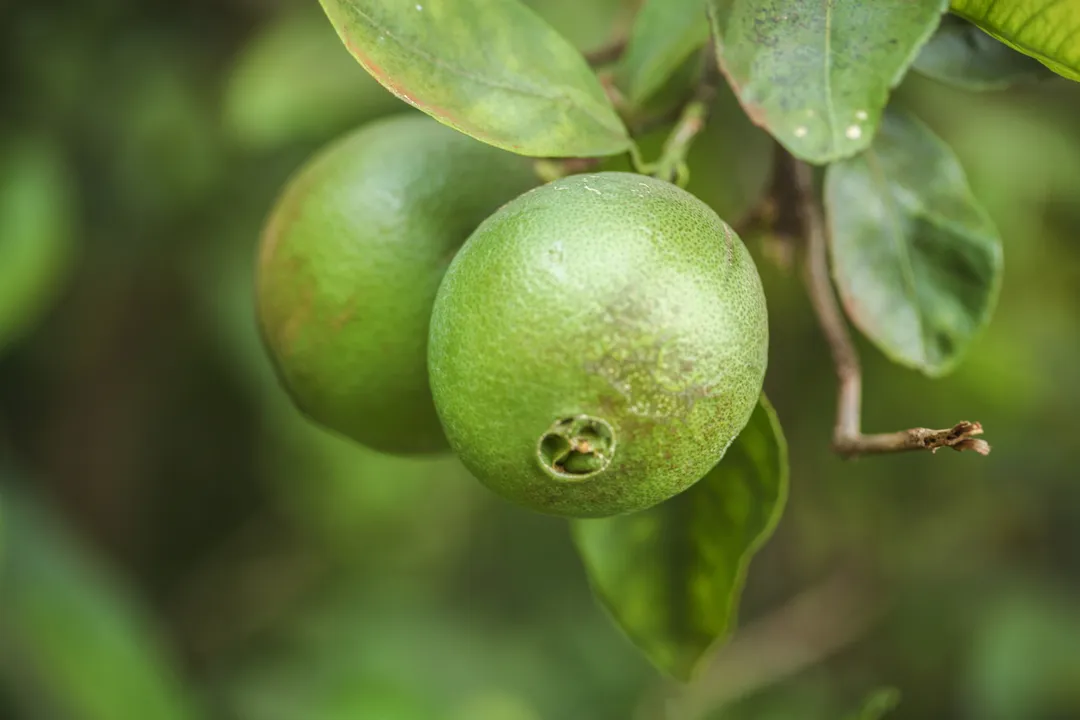
The experience of incorporating ingredients like kaffir lime juice into one's diet often involves navigating both its vibrant flavor profile and its potential impact on the body. While kaffir limes—botanically known as Citrus hystrix and sometimes called makrut lime—are prized for their intensely aromatic zest and leaves in Southeast Asian cuisine, the juice, like that of other citrus fruits, carries inherent properties that warrant consideration regarding consumption, particularly in larger amounts or over extended periods. [7][8][10] Understanding the side effects is less about finding unique dangers specific to the kaffir variety and more about recognizing the general reactions associated with highly acidic citrus consumption. [6]
# Citrus Acidity Profile
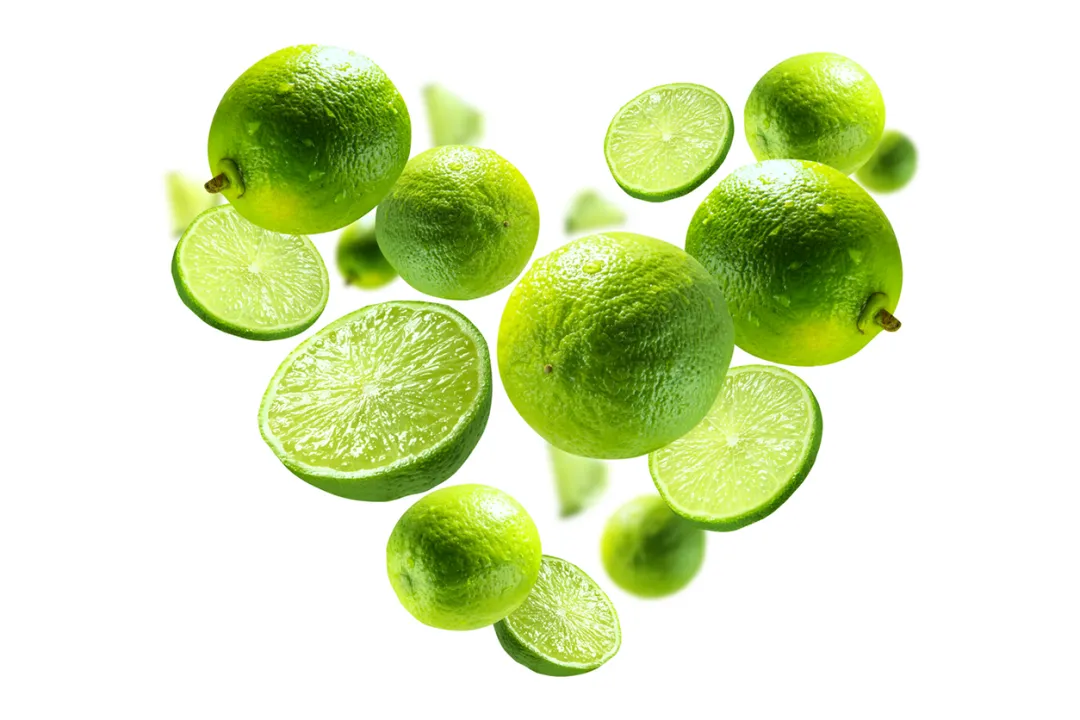
Kaffir lime juice is inherently acidic, a characteristic shared with Persian limes and lemons. [6] This acidity is due to the presence of citric acid, which contributes to its tart flavor but also dictates how the body processes it. When consuming any concentrated fruit juice, the primary concerns usually revolve around the impact of this acidity on the digestive tract and dental health. [9][3]
The degree of acidity in citrus juices is significant. For instance, many citrus fruits maintain a pH level well below that of neutral water (pH 7.0), often hovering in the 2.0 to 3.0 range, depending on the specific fruit and ripeness. [6] This low pH is crucial when assessing potential gastrointestinal distress or enamel wear. [9]
# Digestive Upset
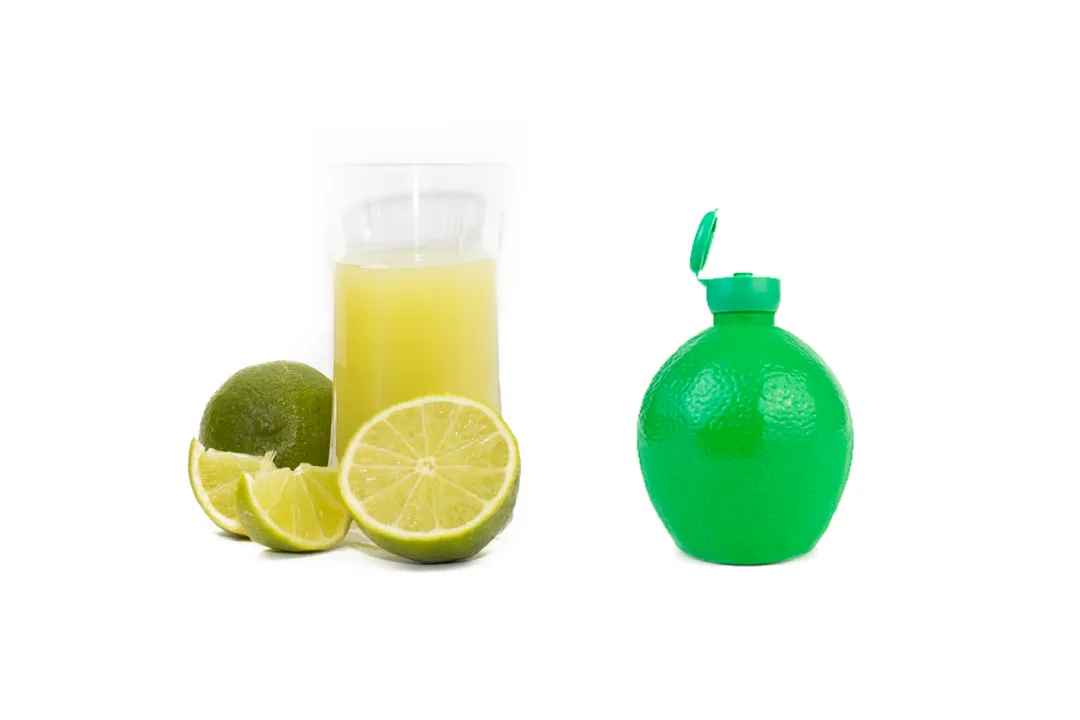
For many individuals, the most immediate side effect associated with consuming highly acidic beverages like lime juice is gastrointestinal discomfort. [6] This is not exclusive to kaffir lime but is a property of the fruit family.
# Heartburn and Reflux
One common reaction stems from acid reflux or heartburn. [3][6] When the lower esophageal sphincter (LES), the muscle that acts as a valve between the esophagus and the stomach, relaxes inappropriately, stomach acid can flow back up into the esophagus. [6] Acidic foods and drinks, like kaffir lime juice, can trigger or worsen this symptom in susceptible people because they introduce more acid into the system and may contribute to the relaxation of the LES. [6] If someone already experiences frequent heartburn, introducing sharp citrus juices, even if they are heavily diluted, could increase the frequency or severity of these episodes. [3]
# Stomach Irritation
In some cases, especially when consumed on an empty stomach or in high concentrations, the juice can cause stomach irritation. [3] While limes are often touted for their digestive benefits, for those with sensitive stomachs or pre-existing conditions like gastritis or ulcers, the sharp acidity might exacerbate symptoms, leading to pain or a burning sensation. [3]

# Dental Erosion Risk
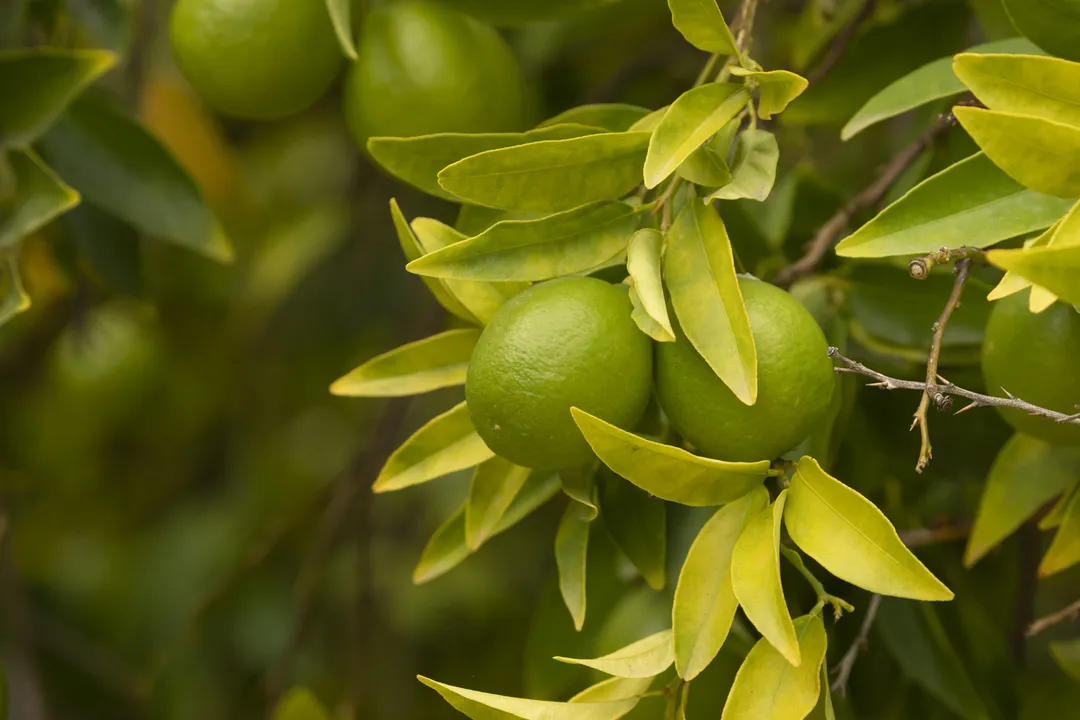
Perhaps the most underestimated side effect of frequent citrus juice consumption is the potential for irreversible damage to tooth enamel. [9] Dental erosion occurs when acids dissolve the mineral structure of the teeth. [9] Because kaffir lime juice is so acidic, regular, undiluted exposure poses a tangible threat to oral health. [6][9]
It is important to note that this damage is different from cavities, which are caused by bacteria metabolizing sugars; erosion is a direct chemical attack on the enamel itself. [9] Over time, this can lead to increased tooth sensitivity, discoloration, and a change in the appearance of the teeth as the underlying dentin becomes more exposed. [9]
To mitigate this risk when enjoying kaffir lime juice in a beverage—perhaps diluted in water for flavor—one strategy involves rinsing the mouth with plain water immediately afterward, avoiding brushing for at least 30 minutes, as brushing immediately after acid exposure can physically scrub away softened enamel. [9] It’s helpful to visualize this process: if you were to measure the pH of standard lime juice versus milk or plain water, the stark difference in acidity highlights the need for caution with consumption timing and rinsing habits. [6] A standard serving of lime juice can significantly lower the pH of saliva, creating an environment conducive to demineralization until the saliva neutralizes the acid. [9]
# Potential Drug Interactions
When considering any food or beverage that contains high levels of bioactive compounds, potential interactions with prescription medications are a necessary consideration. [2] While the sources specifically mentioning kaffir lime juice do not detail drug interactions, the general safety profiles for limes point toward caution, especially concerning medications processed by the liver's cytochrome P450 enzyme system. [2]
Citrus fruits, in general, can interfere with how the body absorbs, distributes, metabolizes, and excretes certain drugs. [2] If kaffir lime juice were consumed in medicinal quantities, or frequently alongside medications, this risk becomes relevant, although the primary warning in general literature often relates to grapefruit rather than limes. [2] It remains a prudent step to consult a healthcare provider if one is consuming kaffir lime juice regularly while on maintenance medication, simply because of the general citrus caution. [2]

# Skin Sensitivity and Phototoxicity
While the concern here shifts from juice ingestion to topical exposure, it is vital to address the use of kaffir lime products, as consumers might confuse juice usage with essential oil application, or experience skin reaction from handling the fruit heavily. [10] Kaffir lime essential oil is frequently cited in literature for its strong aromatic properties, but it contains compounds like limonene and linalool. [1]
Many citrus essential oils are considered phototoxic, meaning they can cause a severe skin reaction—ranging from redness to blistering—when the skin exposed to the oil is subsequently exposed to UV light (sunlight). [1] While this is a primary concern for topical essential oil application, an extreme, though less common, scenario might involve accidental, heavy splashing or contamination of exposed skin with concentrated juice followed by sun exposure. It serves as an important distinction: the juice consumed internally has a different risk profile than the concentrated, cold-pressed oils applied externally. [1]
# Considerations for Kaffir Lime Specifics
The kaffir lime fruit itself is distinct from the more common limes found widely in Western supermarkets. [7][8] While the side effects discussed so far are largely related to its high citric acid content, there are minor differences in nutritional components or traditional uses that might influence consumption habits.
Kaffir limes, particularly their zest and leaves, contain various bioactive compounds, including flavonoids and essential oils, which are often studied for antioxidant and anti-inflammatory properties. [1][7] These components are generally linked to positive health outcomes when consumed in food amounts. [1][5] For example, the use of kaffir lime in traditional Thai and Indonesian cooking centers around its flavor enhancement and potential digestive aid, but these applications usually involve small amounts of zest or whole fruit infusion, not large quantities of pure juice. [10]
# The Issue of Quantity
The key differentiating factor in experiencing side effects versus benefits usually boils down to dosage. A teaspoon of kaffir lime juice added to a glass of water or a dish is unlikely to cause issues for a healthy person. [6] The side effects described—heartburn, enamel wear—are typically associated with chronic, high-volume intake, such as habitually drinking several glasses of straight lime juice daily. [3][9]
Consider this practical application: In many Southeast Asian culinary traditions where kaffir lime is central, the fruit's juice or zest is used as a potent flavor accent rather than a primary beverage base, similar to how one might use concentrated lemon extract in baking. [10] This contrasts sharply with Western habits where large glasses of lemon or lime water are consumed throughout the day for perceived health benefits. [6] When substituting a highly aromatic kaffir lime for a standard Persian lime in a large-volume drink, the increased aromatic intensity might psychologically encourage faster consumption, inadvertently increasing acid exposure. [7]

# General Citrus Safety Versus Kaffir Specifics
The scientific literature on the side effects of kaffir lime juice specifically is not as extensive as that for common limes or lemons, meaning many recognized risks are extrapolated from the broader citrus family. [2][9]
| Side Effect Category | Primary Mechanism | General Citrus Applicability | Kaffir Lime Juice Status |
|---|---|---|---|
| Dental Erosion | High Citric Acid Content (Low pH) | High Risk [9] | Assumed high risk due to acidity [6] |
| Heartburn/Reflux | Acidic load on LES | Common Trigger [6] | Likely to trigger in sensitive individuals |
| Stomach Upset | Direct acid irritation | Possible, especially if undiluted [3] | Possible with large consumption |
| Drug Interactions | Liver enzyme interaction (CYP450) | Documented for citrus generally [2] | Caution advised, general citrus protocol applies |
| Phototoxicity | Furocoumarins (Topical) | Primarily essential oils [1] | Relevant for topical use of concentrated extracts, not ingestion |
When comparing the documented potential downsides of limes generally, the scientific consensus points toward managing acidity. [3][6] Limes are rich in Vitamin C and antioxidants, which contribute to health, but the benefit-to-risk ratio shifts negatively when the acidity overwhelms the body's buffering capacity or damages structures like teeth. [2][9]
# Consumption Adjustments and Best Practices
For those who wish to enjoy the unique flavor of kaffir lime juice without courting negative side effects, slight adjustments in consumption habits can make a significant difference. [9]
# Dilution Strategy
The most effective initial step is always dilution. Instead of mixing a tablespoon of juice directly into a small amount of water, use a quarter teaspoon in a large glass, or incorporate it into food where other ingredients can help buffer the acidity. [6] If using it in cooking, remember that the zest, which carries the intense aroma, can often be used in place of some of the juice, providing flavor with less direct acid contact. [7]
# Monitoring Sensitivity
If you have a history of gastroesophageal reflux disease (GERD) or sensitive teeth, keep a small log of your intake. Note the time you consume the kaffir lime juice and any subsequent symptoms experienced over the next few hours. [3] This personal data is more valuable than generalized warnings, as individual tolerance to acid varies widely based on saliva production, stomach health, and overall diet composition. [6]
For example, consuming a small amount of kaffir lime juice with a meal, rather than before or after, allows other foods—especially those containing proteins or fats—to act as buffers, potentially reducing the immediate pH drop in the stomach and lessening the chance of LES relaxation. [3] This is a nuanced approach where one applies general nutritional knowledge to a specific ingredient, aiming to maximize flavor delivery while minimizing the known risks associated with its dominant chemical component, citric acid. [1]
In summary, while kaffir lime juice brings unique aromatic qualities to the table, its side effects are largely predictable based on its high acidity. The primary concerns are gastrointestinal distress, particularly heartburn, and long-term dental erosion. [3][6][9] By respecting the potency of the juice and adopting careful consumption habits—prioritizing dilution and post-consumption mouth care—one can typically enjoy this ingredient without adverse effects. [9] No source suggests unique, severe toxicological side effects from the juice itself when used as a culinary ingredient, but caution around acidity and potential medication interactions remains warranted. [1][2]
Related Questions
#Citations
Chemical, Aroma and Pro-Health Characteristics of Kaffir Lime ...
Limes: Nutrition, Benefits, Uses, and Side Effects
Kaffir lime benefits for cooking and health
Limes: Nutrition, Benefits, Uses, Recipes, Side Effects and ...
kaffir lime leaves online
Lime Health Benefits and Downsides
Are there any harms associated with pure kaffir lime juice?
Kaffir Lime
Get to know: Thai Kaffir Lime
Lime - Uses, Side Effects, and More