Does mallow have any side effects?
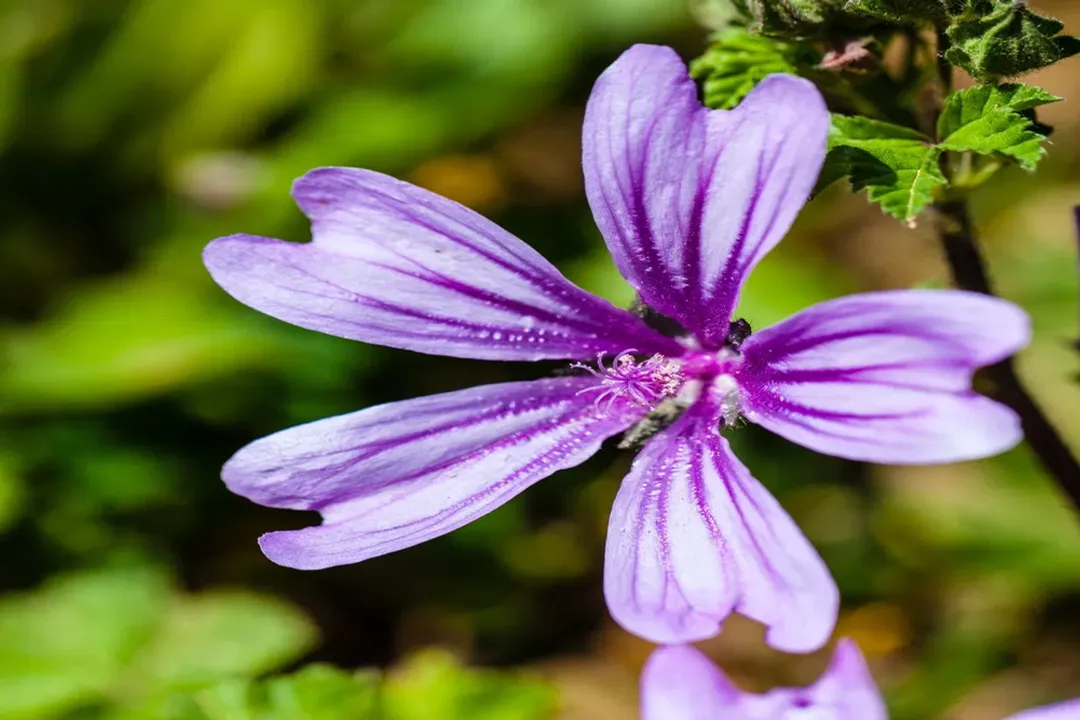
Mallow, derived from plants in the Malvaceae family, has been valued for centuries, particularly for its soothing, mucilaginous properties that benefit the throat, skin, and digestive tract. [1][2][9] When considering any natural remedy, understanding potential adverse reactions is essential, and for mallow, the safety profile is generally considered mild, though certain circumstances and preparations warrant careful attention. [4][6] While it is often praised for its demulcent action—coating irritated membranes—it is not entirely without potential for side effects or contraindications that users should be aware of before incorporating it into their routine. [2][5]
# Safety Generalities
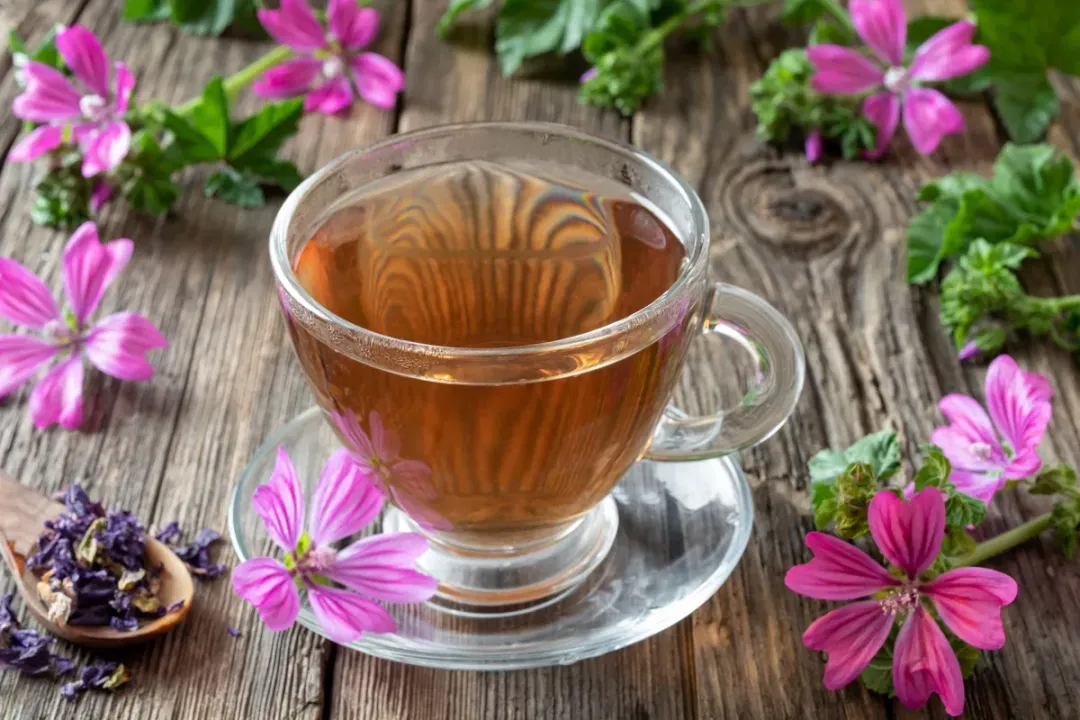
The plant contains significant amounts of mucilage, which is the gooey substance responsible for most of its therapeutic effects, such as coating inflamed areas in the digestive or respiratory tracts. [2][9] Because of this mechanism, when looking at the overall safety data, mallow appears to have relatively few documented side effects when used appropriately and for short durations. [4][6] In many traditional uses, particularly as a tea or food additive, it is considered a gentle herb. [8]
However, even gentle herbs can present issues, especially in concentrated forms or when taken by sensitive individuals. For instance, high doses, which might occur with potent extracts rather than a standard tea infusion, could potentially lead to gastrointestinal upset, though this is not universally documented across all sources. [1] Furthermore, as with any botanical product, contamination from pesticides or heavy metals during cultivation presents a risk that exists outside the plant’s inherent pharmacology. [3] One useful way to frame its general risk is by comparing it to similar demulcent herbs; while slippery elm or marshmallow root might also cause minor bloating at very high intake, mallow generally occupies a similar, relatively low-risk category for the average healthy adult taking standard therapeutic amounts. [1][4] The key differentiator often lies in the specific species used and the preparation method, as extracts can concentrate unknown compounds. [2]
# Allergic Risks
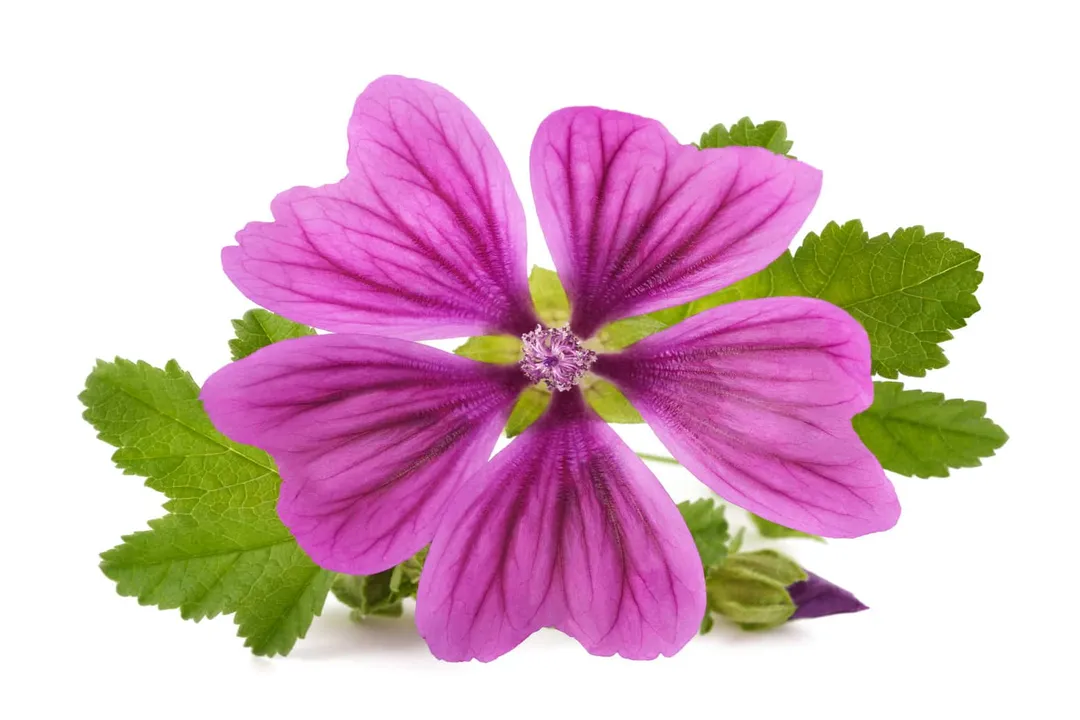
A fundamental safety consideration with any plant-derived product involves the potential for allergic reactions. [4] While not frequently reported, it is possible for an individual to be allergic to mallow. [4][7] These reactions can manifest in various ways, from mild skin irritation or itching to more severe systemic responses. [4] If you have known allergies to other plants within the Malvaceae family, such as hibiscus or cotton, exercising extra caution with mallow preparations is prudent, even though cross-reactivity is not guaranteed. [4]
The safest approach, particularly when introducing mallow into a regimen for the first time—whether for a soothing tea or a topical application—is to start with a very small amount. [1] Observing how your body reacts over the first day or two helps establish a baseline of tolerance. Should any unexpected symptoms arise, discontinuation is the immediate next step. [4] This precautionary measure is especially relevant when using commercial preparations where the precise concentration of the active mucilage might vary between batches. [3]
# Drug Interference
For individuals managing chronic health conditions that require prescription medication, the question shifts from simple side effects to potential interactions. [5] Mallow's high mucilage content is the primary factor influencing its interactions with other substances. Because mallow creates a coating substance in the digestive tract, it can theoretically slow down or reduce the absorption of concurrently taken oral medications. [1][5]
This effect is not unique to mallow; it is a known pharmacological characteristic of many demulcents. [1] If you are taking medications where precise absorption levels are critical—such as certain antibiotics, thyroid hormones, or narrow therapeutic index drugs—timing becomes crucial. [5] A general guideline when using potent herbal supplements like concentrated mallow extracts is to separate the administration of the herb and the medication by at least two hours. [5] This separation allows the medication time to be absorbed before the demulcent layer fully forms in the stomach or intestines. While specific clinical studies detailing major drug interactions with mallow are often limited in standard literature, this mechanical interference remains a valid theoretical caution based on its known physical properties. [1][5]
# Populations Needing Caution
Certain physiological states place individuals into higher-risk categories for using herbal remedies, and mallow is no exception. [6]
# Pregnancy and Nursing
The most commonly cited contraindication involves pregnancy and breastfeeding. [1][4][6] Due to a lack of sufficient high-quality safety studies regarding mallow's impact on fetal development or the nursing infant, medical professionals typically advise against its use during these times. [1][6] This conservative stance is standard practice for many herbs where safety data is simply unavailable, prioritizing the health of the mother and child over the unproven benefits of the herb. [4]
# Pre-existing Conditions
Individuals with specific pre-existing conditions should consult a healthcare provider before using mallow, particularly in concentrated or medicinal forms. [6]
- Gastrointestinal Issues: While used for soothing the gut, if a person suffers from chronic gastroesophageal reflux disease (GERD) or other severe digestive motility issues, the bulky nature of the mucilage could potentially exacerbate symptoms for some, although sources generally list it as beneficial for gastritis or ulcers. [1][6] The key is monitoring individual response. [2]
- Diabetes: There is some theoretical concern, though not universally confirmed, that mallow might affect blood sugar levels due to its composition. [5] Anyone managing diabetes using insulin or oral hypoglycemic agents should proceed with caution and monitor their glucose readings closely if they choose to use mallow. [5]
# Diuretic Effect
Some sources note that certain parts of the mallow plant may possess a mild diuretic effect, meaning it can increase urine output. [1] While this is generally not a side effect of major concern for healthy people, those on prescription diuretics or who have conditions requiring strict fluid balance management should be aware of this potential mild action. [1]

# Preparation Forms
The method of consumption significantly influences both the efficacy and the potential for side effects. [2] Mallow is encountered in several forms: as a culinary ingredient (leaves/flowers), a simple infusion (tea), or as a standardized extract. [8][2]
When used as a tea, the mucilage is extracted in a relatively dilute form, which is generally considered the lowest-risk preparation method. [8] However, if you are preparing your own herbal tea, consistency is hard to control. A practical tip for home preparers is to always use freshly dried plant material stored away from light and air, as older or improperly stored herbs can harbor mold or lose potency, leading to either ineffectiveness or unpredictable reactions when brewed. [3]
In contrast, standardized extracts or tinctures contain a much higher concentration of the active compounds in a smaller volume. [2] This concentration increases the likelihood of experiencing side effects if the dose is too high, or if an individual is sensitive to minor alkaloids or other components that are less concentrated in a simple tea. [5] If you purchase supplements, look for products that clearly state the species of mallow (Malva species, for example) and the standardization level, as different species carry different traditional uses and minor chemical profiles. [9]
# Dosage Limits
Establishing a precise, universally accepted upper safe limit for mallow intake is difficult because herbal standards are often less rigid than pharmaceutical ones. [3] Safety data tends to rely on traditional usage patterns rather than large-scale clinical trials. [4] In the context of tea, drinking several cups daily for a short period is often cited as acceptable for acute symptoms like a sore throat. [8]
However, when moving to extracts, the risks escalate with dose, as mentioned earlier. [2] If a product does not list a recommended dosage, it is best to consult with a qualified herbalist or practitioner familiar with standardized botanical dosing, rather than guessing based on comparison to a tea. [5] In many cases, exceeding a reasonable therapeutic dose is the only pathway toward inducing unwanted stomach discomfort or other minor adverse events. [4]
# Synthesis and Context
When evaluating the risk associated with mallow, it is helpful to compare it against the expected benefit, especially for short-term needs. For a simple, dry cough or minor throat irritation, the benefit of its soothing coating action often outweighs the very low risk of side effects for the general population. [2][6] The side effects mentioned—allergies, potential absorption interference, and mild GI upset at high doses—are manageable through awareness and timing adjustments. [4][5]
Another point to consider, which often goes unstated in basic ingredient lists, is the source's environmental context. A mallow plant growing near a heavily trafficked road or in contaminated soil will accumulate pollutants that tea-drinkers or topical users will inevitably ingest or absorb. [3] This external factor, far removed from the plant's biology, is a significant, yet often overlooked, source of adverse reactions when consuming wild-harvested or unsourced herbs. [3] Ensuring the mallow used comes from a reputable supplier who addresses cultivation standards is an indirect but powerful way to mitigate unseen side effects. [7] Overall, mallow’s primary safety profile suggests it is a gentle remedy, provided users respect the standard precautions for herbal medicine use, particularly regarding pregnancy and potential medication interactions. [1][6]
Related Questions
#Citations
Mallow: Medicinal Uses, How to Take & Side Effects - Tua Saúde
Mallow: Properties, Benefits, Uses, and Contraindications - Terza Luna
[PDF] Safety Assessment of Malva sylvestris (Mallow)
Mallow side effects - Botanical-online
Mallow Uses, Benefits & Dosage - Drugs.com
Mallow – Health Information Library | PeaceHealth
Mallow: Health Benefits, Side Effects, Uses, Dose & Precautions
MALLOW FLOWER - BENEFITS, USES AND DOSAGE - NEWSHA
Malva Sylvestris (Mallow) Flower Extract - Cosmacon