What are the side effects of cucamelon?
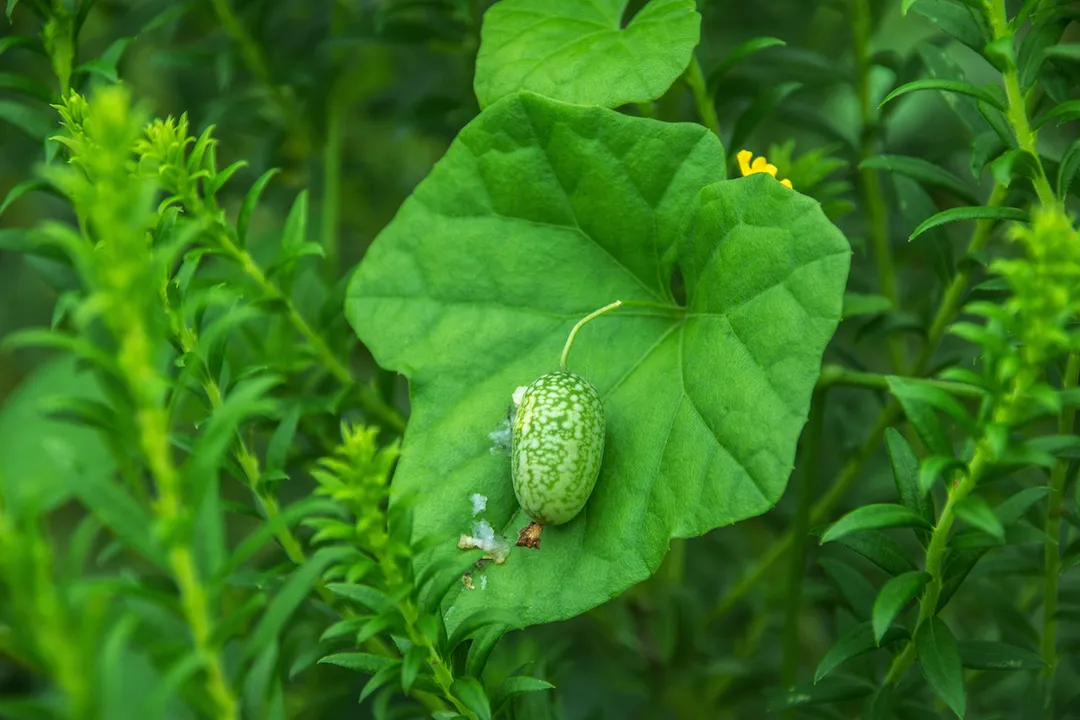
The little watermelon-looking snack, often called the Mexican sour gherkin or cucamelon, is celebrated for its zesty, fresh flavor that brings a delightful crunch to salads and garnishes. For many people who enjoy this unique fruit, the primary experience is overwhelmingly positive, with reports focusing more on its surprising taste and ease of growth than any negative reactions. Given its general acceptance as an edible novelty, concrete, widely documented pharmacological side effects specific to Melothria scabra are difficult to pinpoint across common literature, especially when compared to more heavily studied produce. However, as with any food, and especially considering its membership in the sprawling Cucurbitaceae family—which includes cucumbers, squash, and melons—a careful examination of potential issues arising from consumption, quantity, or misidentification is warranted.
# Family Concerns
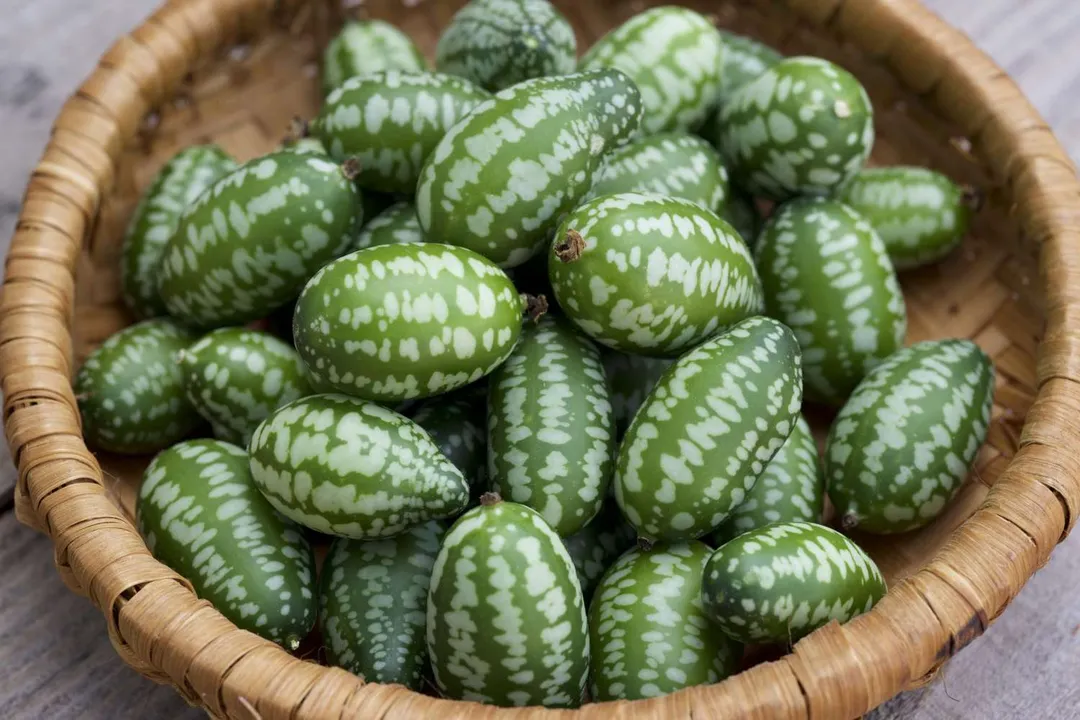
Cucamelons share a botanical lineage with a vast array of gourds, a family known to occasionally present digestive challenges or, in rare instances, compounds that warrant caution. While the Melothria scabra variety consumed widely is generally mild, drawing comparisons to its relatives can highlight areas where vigilance might be useful. For instance, members of the melon group, such as watermelon or cantaloupe, have been linked to digestive issues when consumed in excess, often attributed to the high water and fiber content. A person eating a massive quantity of cucamelons might experience similar temporary gastrointestinal discomfort, such as bloating or gas, simply due to the volume of raw material being processed.
Furthermore, the Cucurbitaceae family contains compounds called cucurbitacins, which are responsible for bitterness and can be toxic in high concentrations. While cucamelons are prized for their tart, slightly acidic flavor, true bitterness is usually an indication that the plant has developed higher levels of these compounds, potentially due to stress during growing. If an individual were to consume a large amount of fruit from a plant that has bolted or been grown under harsh conditions, resulting in a genuinely bitter flavor, the likelihood of experiencing more pronounced gastrointestinal distress increases. It is vital to distinguish the slight, pleasant tartness of a healthy cucamelon from the acrid bitterness associated with potentially problematic varieties or stressed plants.
# Creeping Cucumber Distinction
A significant area for caution lies in distinguishing the cultivated cucamelon (Melothria scabra) from its wild relative, the creeping cucumber (Melothria pendula), which shares a common genus name. Some sources suggest that the creeping cucumber, while sometimes eaten green, has a different profile, particularly when fully ripe. The ripe fruit of M. pendula is often described as having a powerful laxative effect. This is a critical difference for the home gardener or consumer: the desirable, small, firm, savory fruit of the garden cucamelon should not be confused with a wilder variety that might carry stronger, purgative properties when mature.
To frame this for the home enthusiast, if you are growing the standard variety known for its salad appeal, you are likely safe when eating them raw and fresh. However, if you encounter a similar-looking vine in the wild, or if your cultivated plant is behaving unusually, checking its mature fruit characteristics is essential to avoid an unexpected laxative episode. Consider this: many people find the unripe fruit of M. pendula to be a decent salad addition, but the consensus shifts significantly once the fruit ripens and its more potent effects manifest. This variance within the Melothria genus underscores why understanding the specific plant being consumed is the first step in preventing adverse reactions.

# Related Plant Comparisons
While side effects specific to M. scabra are not widely documented in the sources consulted, looking at other related members of the gourd family can provide context for general dietary caution. Bitter melon (Momordica charantia), for example, is known in traditional medicine but carries warnings, particularly for individuals managing blood sugar. Bitter melon has been associated with potential hypoglycemia, meaning it might lower blood glucose levels too much, especially when taken alongside diabetes medications. Cucamelons are not bitter melon, but for individuals with underlying conditions like diabetes, introducing large quantities of a new, high-fiber, high-water-content fruit from a related family might warrant a quick check-in with a healthcare provider, simply as a matter of proactive dietary management.
Similarly, some melons are noted for potentially causing issues in sensitive individuals due to specific enzyme activity or acidity. For instance, very ripe melons might cause stomach upset in some people. If we consider the tartness of the cucamelon as related to mild acidity, someone with severe acid reflux or a sensitive stomach lining might find that consuming many of these tart fruits on an empty stomach causes temporary irritation, similar to eating too many unripe green tomatoes. This is an inference based on the general properties of fruits, not a documented reaction to cucamelons themselves, but it represents a practical consideration for consumption quantity.
# Managing Potential Digestive Effects
For the average healthy individual, the most likely "side effect" associated with cucamelons is related to overindulgence. Cucamelons are eaten whole and raw, meaning they contribute both water and dietary fiber to the diet simultaneously. When introducing any high-fiber food rapidly or in large amounts, the body can react by increasing motility, leading to gas, bloating, or loose stools. This is less a toxic side effect and more a natural physiological response to a sudden increase in indigestible bulk.
A practical way to mitigate this potential is through measured introduction. If you harvest a large crop, rather than trying all of them in one sitting, think of them as a sprinkle, not a main course. A good rule of thumb, derived from observing how people manage new, high-fiber vegetables, is to incorporate them gradually. For instance, if you typically eat one cup of mixed greens, substitute half a cup with cucamelons for a few days before increasing the amount [Editor's Insight: A gradual introduction helps the gut biome adapt to new fiber sources, minimizing temporary digestive upset that is common with high-volume raw vegetable intake]. This simple adjustment avoids shocking the digestive system while allowing you to enjoy the fruit's unique profile.

# Purity and Plant Health
Another area where side effects could theoretically arise is through environmental factors affecting the plant itself, a concern often raised in community gardening forums. If a cucamelon plant is struggling—perhaps due to nutrient deficiency, pest infestation, or adverse weather conditions—it might produce fruit that is chemically altered or contaminated. While the sources discuss general plant afflictions, the underlying principle remains: what stresses the plant can impact the quality of the edible part. If a plant is suffering from visible disease or has been treated with chemicals, consuming those fruits, even if they look normal, poses a risk unrelated to the fruit's inherent nature.
This brings up the importance of knowing your source, whether it's your own garden or a farmer's market. For gardeners, paying attention to the health signals of the vine—such as yellowing leaves or signs of blight—is crucial not just for yield but for food safety. If the plant looks sick, the fruit should be discarded, regardless of whether it is a cucamelon or a common tomato.
In summary, the available information suggests that the side effects of consuming Melothria scabra are generally non-existent for most people when consumed in normal culinary amounts. The primary concerns shift to potential digestive upset from overconsumption of any raw, fibrous food, and the critical need to correctly identify the plant to avoid the potentially purgative effects associated with the creeping cucumber (M. pendula) when it ripens. Being mindful of the plant's family ties and ensuring vibrant plant health forms the basis of safe enjoyment. For those who find themselves sensitive to tart or acidic foods, simply limiting intake when consumed on an empty stomach is a straightforward preventative measure [Editor's Insight: The tartness comes from acids; consuming these fruits alongside a more neutral food, like a standard cucumber or a piece of bread, can buffer the acidity on the stomach lining, much like pairing acidic tomatoes with fats or proteins in a meal].
Related Questions
#Citations
The cucamelon, also called Melothria scabra or Mexican miniature ...
Creeping Cucumber: When Is Creeping Cucumber Safe to Eat? - 2026
Any idea what's afflicting my Cucamelon plant? : r/GardeningUK
5 Side Effects Of Melons That You May Not Have Known - NDTV Food
Creeping Cucumber: Melothria Pendula - Eat the Weeds
How To Grow And Care For Cucamelon - Southern Living
Bitter Melon - Uses, Side Effects, and More - WebMD