What are the bad side effects of jicama?

While jicama, the starchy, crisp root vegetable often enjoyed raw in salads or as a snack, is frequently touted for its nutritional value—especially its high fiber content and satisfying crunch—it is not without potential downsides for certain individuals. Understanding these negative aspects ensures that incorporating jicama into your diet remains a positive experience rather than a source of discomfort. The most frequent complaints center around digestion, though other, rarer issues like allergic responses must also be considered. [1][2]
# Gas Bloating

The most common side effect reported by people consuming jicama relates directly to its high fiber composition. Jicama is an excellent source of dietary fiber, which is essential for gut health, but introducing a large amount of fiber too quickly, or consuming it when the digestive system is unaccustomed to it, can lead to increased gas production and bloating. [1][5]
This effect is amplified by the type of fiber jicama contains. It is particularly rich in inulin, a type of fructan that acts as a prebiotic. [5][7] Prebiotics are beneficial because they feed the healthy bacteria in your large intestine. However, when these bacteria ferment the inulin, they produce gas as a byproduct. [5] For someone with a sensitive digestive system, or for those already dealing with irritable bowel syndrome (IBS), this fermentation process can lead to significant discomfort, including cramping, flatulence, and abdominal distention. [2]
It is interesting to note that the digestion of jicama's fiber differs slightly from vegetables higher in more complex starches. Because inulin is highly fermentable, the immediate digestive load is high, meaning that discomfort, if it occurs, usually happens relatively quickly after consumption compared to slow-digesting structural fibers found in things like celery stalks. [6] If you are new to jicama or coming off a low-fiber diet, starting with a small, one-half cup serving and observing your body's reaction is a practical first step. If you usually prepare jicama by soaking it in citrus juice, this mild acidity can sometimes help pre-soften the surface fibers slightly, though the primary source of gas remains internal fermentation. [1]
# Allergic Reactions
Although uncommon compared to digestive issues, allergic reactions to jicama are certainly possible and require attention if they occur. [3] Jicama allergies are not as widely documented as those for major allergens, but they do exist. Symptoms can range from mild to severe and may appear shortly after eating the root vegetable. [3]
General allergy symptoms might manifest as itching in the mouth or throat, which is often referred to as oral allergy syndrome. [3] More systemic or severe reactions can include hives, swelling of the lips, tongue, or face, and in rare, serious cases, difficulty breathing, which necessitates immediate medical attention. [3] Individuals who are sensitive to other members of the Apiaceae family, such as celery, carrots, or parsley, might have an increased risk of cross-reactivity with jicama, as it belongs to a related plant family. [3] If you suspect an allergy, avoiding the food entirely and seeking testing from an allergist is the standard recommendation. [3]

# Toxin Avoidance
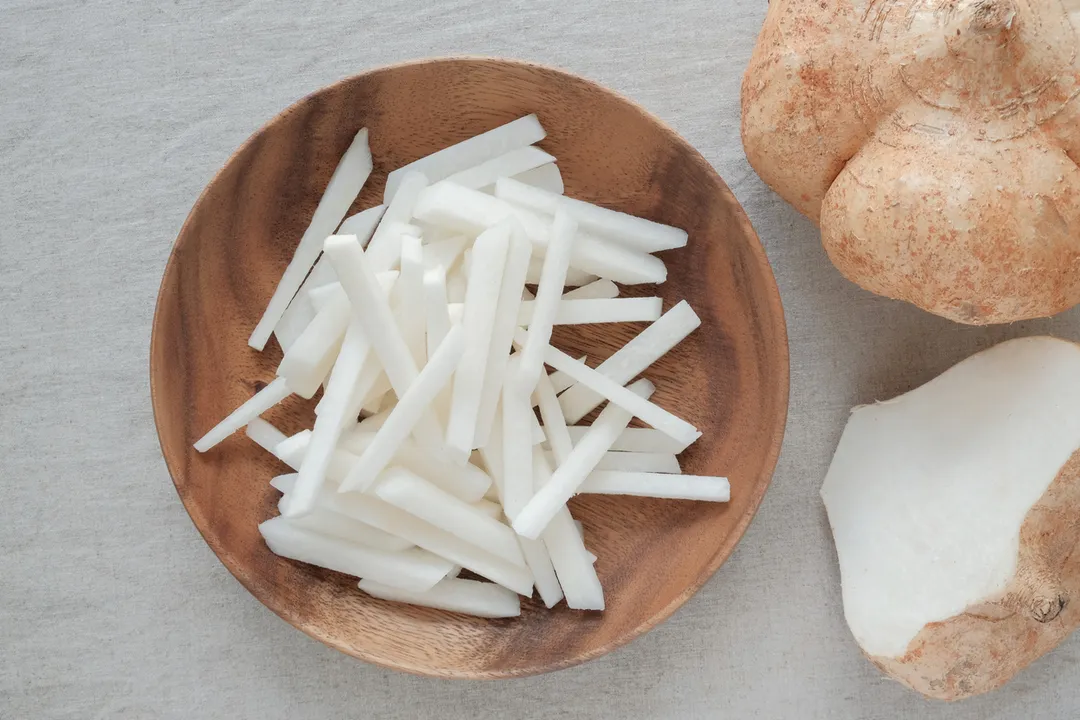
A critical safety consideration when handling jicama involves understanding which parts of the plant are safe for human consumption. Jicama is only safe to eat in its mature, peeled, tuberous root form. [5][7] This is a crucial point of expertise often missed by casual consumers.
The leaves, stems, and seed pods of the jicama plant contain natural toxins that can be harmful if ingested. [1][5][7] These parts of the plant should be strictly avoided during preparation and consumption. Furthermore, it is vital that the exterior skin—the papery, brownish peel—is thoroughly removed, as compounds in or directly under the skin may also pose risks. [1][7] The toxicity associated with the non-root parts means that jicama should always be treated with preparation care similar to that of raw potatoes, ensuring only the desired edible portion enters the kitchen. [5]
# Dietary Impact

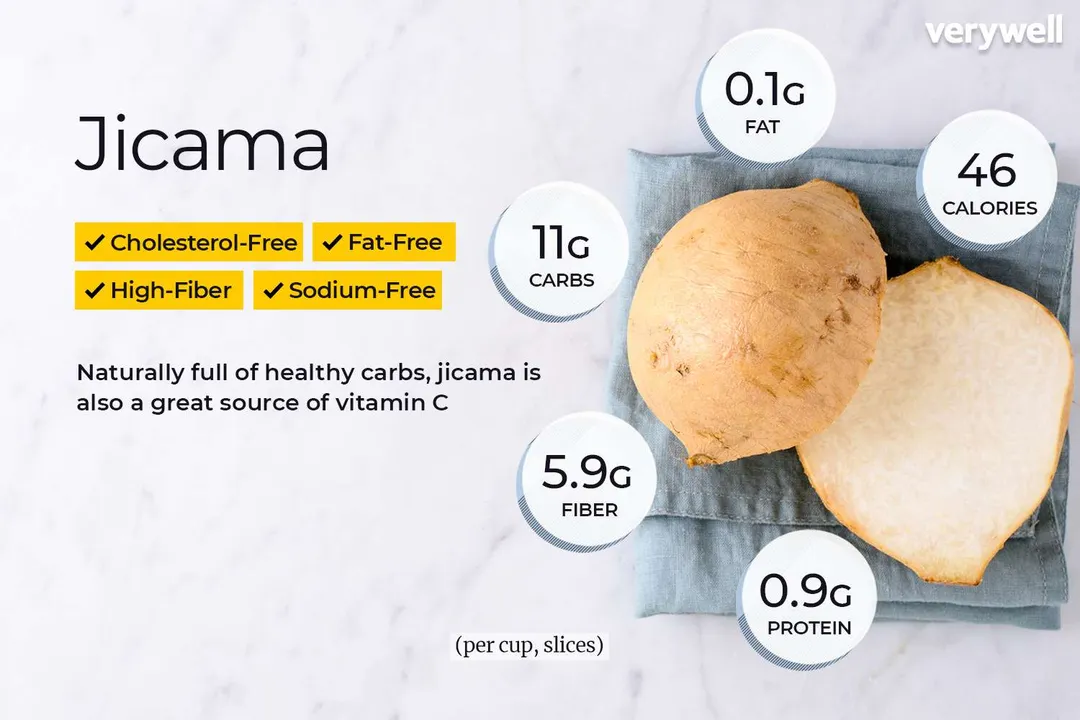
While generally low in calories and high in beneficial nutrients like Vitamin C and potassium, jicama's overall impact on specific diets or metabolic states requires a brief look. [4][7]
Jicama contains some natural sugars, including fructose, though the overall sugar content is relatively low compared to many other fruits and starchy vegetables. [6] For most people, this is not an issue, but for individuals strictly monitoring carbohydrate or sugar intake, such as those on very low-carb ketogenic diets, it must be accounted for in their daily totals. [6] Even though it is high in fiber, the net carbs remain present. [6]
Another context worth noting is the presence of lectins. Like many legumes and tubers, jicama contains lectins, which are proteins that can interfere with nutrient absorption or cause digestive irritation if eaten raw in very large quantities. [1] While standard consumption of peeled, raw jicama rarely causes problems because the lectin levels are not prohibitively high, cooking or fermenting often deactivates many lectins entirely, which is why boiling or roasting is sometimes recommended for other high-lectin foods. [1] Since jicama is usually eaten raw, being mindful of the sheer volume consumed is the best way to mitigate any potential lectin-related upset.
Considering the high inulin content again, if you are following a diet sensitive to specific types of carbohydrates, such as the Low FODMAP diet often recommended for managing IBS symptoms, you need to check recommended serving sizes. [5] A small serving of jicama might be tolerated, but exceeding that threshold can quickly push the FODMAP load too high, triggering symptoms even in someone who normally handles fiber well. [5] It is wise to consult a dietitian familiar with FODMAP guidelines if you are navigating these specific dietary restrictions and wish to include jicama regularly. [2]
Related Questions
#Citations
Nutritional Benefits and Potential Risks of Jicama - Everyday Health
Health Benefits of Jicama, Uses And Its Side Effects - Lybrate
Jicama Allergy: Symptoms, Diagnosis, and Management
Jicama: Nutrition Facts and Benefits
What Is Jicama — and Is It Good for You? - Food Revolution Network
Jicama: Health benefits, nutrition, and diet tips - Medical News Today
Jicama Nutrition Facts and Health Benefits - Verywell Fit
8 Health and Nutrition Benefits of Jicama - Healthline
Jicama Health Benefits and How to Prepare and Eat It