What are the side effects of daikon radishes?
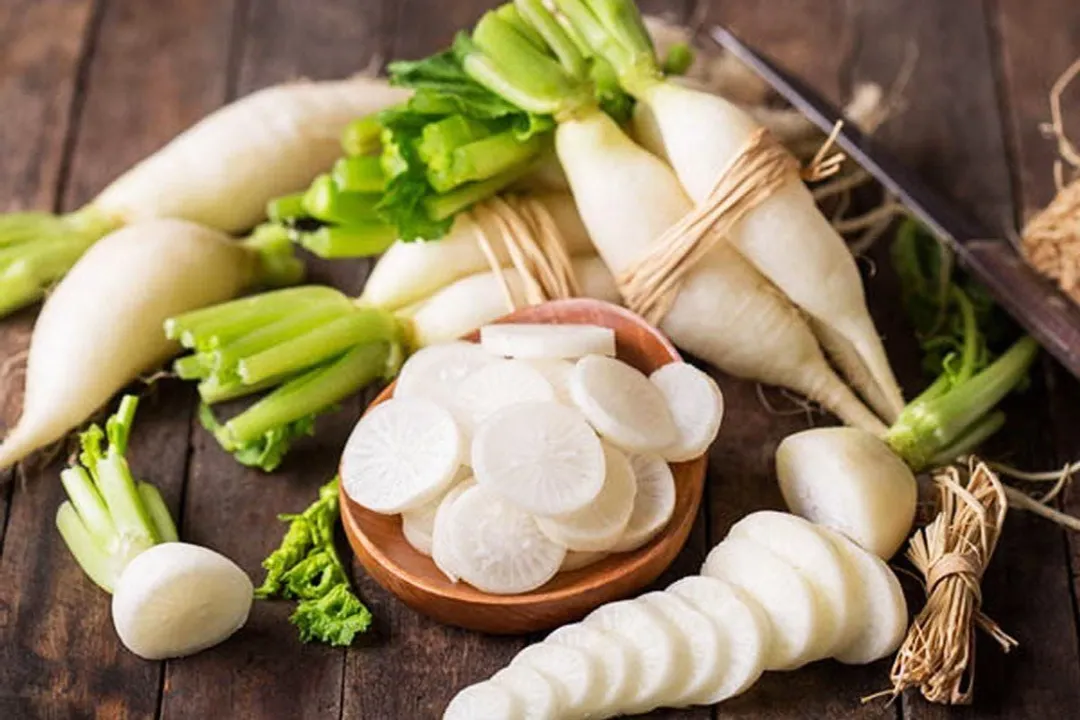
Daikon radish, the large, mild white root vegetable popular across Asian cuisines, is celebrated for its crisp texture and high nutrient profile, offering things like Vitamin C and fiber. However, like any potent vegetable consumed in quantity, it carries potential side effects that anyone incorporating it regularly into their diet should be aware of. The general consensus is that daikon is safe for most people when eaten in moderation, but pushing past that boundary can lead to predictable, though sometimes uncomfortable, reactions.
# Digestive Reaction
The most commonly cited issue associated with overconsumption of daikon, or its radish relatives, centers squarely on the digestive system. Eating an excessive amount can frequently lead to feelings of discomfort in the stomach. Specifically, large servings are known to cause gas and bloating. This is often attributed to the high fiber content and the presence of certain sulfur-containing compounds found in cruciferous vegetables, such as isothiocyanates, which can be difficult for some digestive systems to break down smoothly.
For individuals already dealing with sensitive digestive tracts, the effects can be amplified. Those diagnosed with Irritable Bowel Syndrome (IBS), for instance, might find that even moderate amounts of radish aggravate their existing symptoms. Furthermore, another common digestive complaint linked to eating too many radishes is heartburn. While daikon is generally considered milder in flavor compared to its smaller, red counterpart—which often suggests a less intense concentration of these pungent compounds—the sheer volume consumed remains the primary trigger for these gastrointestinal disturbances.
# Medical Interactions
Beyond simple digestive upset, there are specific physiological conditions and medications that warrant a more cautious approach to daikon intake. A critical consideration involves blood sugar management. People managing diabetes should monitor their intake because high consumption of daikon has been linked to a risk of developing hypoglycemia, or dangerously low blood sugar levels. This suggests that the vegetable may enhance the effects of blood-sugar-lowering treatments or significantly impact glucose metabolism.
Another vital interaction pertains to blood clotting. If a person is taking blood thinners (anticoagulants), they need to discuss their daikon consumption with a healthcare provider. While the source does not specify why this interaction occurs, root vegetables often contain compounds that can affect Vitamin K levels or platelet function, necessitating careful monitoring when on prescription blood-thinning medication.
Finally, individuals with a history of specific mineral-based issues must exercise restraint. Daikon, like many plant foods, contains oxalic acid. For those prone to forming gallstones or kidney stones, consuming large quantities of high-oxalate foods can potentially exacerbate the risk of stone formation. This is less about an acute side effect and more about a long-term dietary management strategy when pre-existing conditions are present.

# Serving Size
Since most reported negative effects arise from excessive intake rather than inherent toxicity, understanding what constitutes "too much" is key for responsible enjoyment. It’s helpful to think of daily consumption in terms of distinct categories. For the average healthy adult, enjoying daikon as a standard side dish, perhaps a cup or so, incorporated into meals like stir-fries, soups, or salads, is unlikely to cause adverse effects.
However, consuming several cups of raw daikon in a single sitting, perhaps through juicing large quantities or eating an entire large root raw in one go, pushes the boundary into the territory where digestive distress becomes probable.
| Consumption Level | Typical Form | Potential Outcome | Risk Level |
|---|---|---|---|
| Low | Sliced in salad, pickled garnish | Minimal to None | Low |
| Moderate | Cup in a soup or stir-fry | Slight chance of gas in sensitive individuals | Medium-Low |
| High | Several cups raw or large juice serving | High probability of bloating, gas, or heartburn | High |
This suggests that for most people, the primary risk factor isn't the vegetable itself, but rather the quantity eaten during one sitting, especially when consuming it raw, as cooking often softens some of the compounds responsible for gas.
# Minimizing Gas
Given that digestive complaints are the most frequent consequence of overdoing it, a few mindful preparation techniques can make daikon more accessible for regular consumers. While the sources confirm that excess causes the issue, we can look at how traditional preparation methods address this. Sometimes, the sharp, gassy nature of radishes is naturally mitigated simply by cooking them down in liquid, as in a long-simmered stew, which softens the vegetable and alters the structure of some of its compounds.
Another approach, particularly useful when eating it raw in larger salads, involves pairing it with digestive aids. For instance, eating daikon alongside fats or proteins, or perhaps a squeeze of citrus, can sometimes help buffer the digestive tract. When making quick pickles (tsukemono), the process of brining and slightly fermenting the daikon not only preserves it but also starts breaking down complex fibers, which can lead to a final product that is gentler on the stomach than eating the same amount completely raw. This preparation shift moves the vegetable along the digestive spectrum toward cooked forms, often resulting in a more agreeable experience for those prone to flatulence.
Related Questions
#Citations
Radish - Uses, Side Effects, and More
Benefits of Daikon And Its Side Effects
One Major Side Effect of Eating Radishes, Says Science
Is Eating White Radish Good for You?
Daikon vs. Radish — Health Impact and Nutrition ...
Radish Benefits, Nutrition, Recipes and Side Effects
Radish Nutrition Facts: Pros & Cons