Is neem oil safe for breastfeeding?
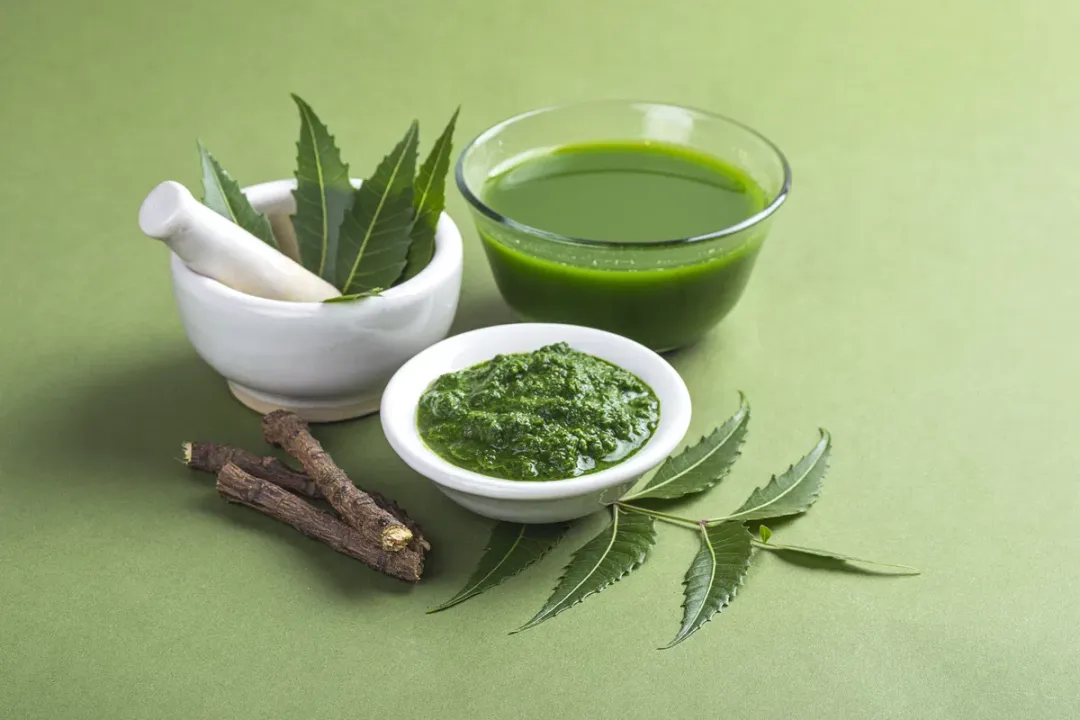
The question of what is acceptable to use on or near one's body while nursing is frequently complex, and neem oil, with its strong traditional uses and potent properties, is no exception to this scrutiny. Neem, derived from the seeds and fruits of the Azadirachta indica tree indigenous to tropical regions, is valued for its antifungal, antibacterial, and antiseptic qualities. However, when a mother is breastfeeding, the primary concern shifts from her own safety to the potential transfer or absorption risks for her infant.
# Ingestion Dangers
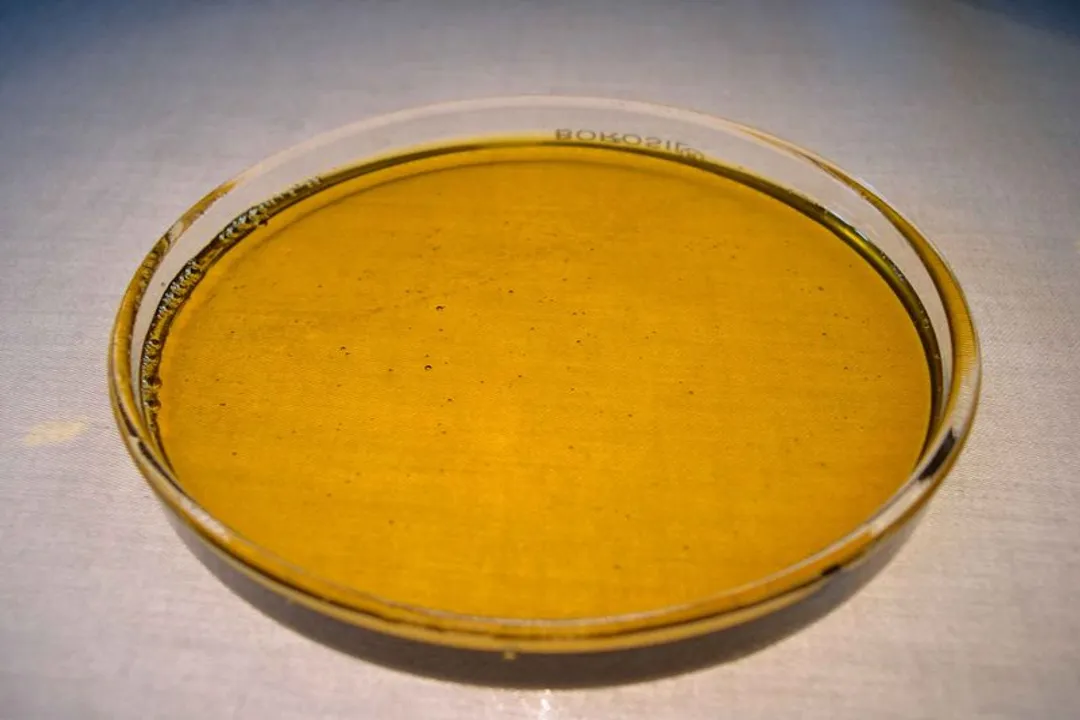
The most significant red flag surrounding neem oil is its internal use. Medical guidance generally cautions strongly against ingestion during sensitive periods. Neem bark extract, when taken by mouth short-term in controlled doses (up to 60 mg daily for 10 weeks), is considered possibly safe for most adults. This is a very specific exception, though, as large doses or prolonged oral use are flagged as possibly unsafe and may lead to harm to the kidneys and liver.
The risks escalate considerably when considering pregnancy and infancy. Neem oil and bark, if taken by mouth during pregnancy, are considered likely unsafe because of the potential to induce a miscarriage. This aligns with the known properties of some neem components, which have been studied for contraceptive effects. For infants and small children, taking neem seeds or seed oil by mouth is deemed likely unsafe, with documented reports of serious side effects occurring rapidly after ingestion, including vomiting, diarrhea, seizures, coma, and even death. Furthermore, some sources explicitly state that neem oil, powder, or tea is not recommended for breastfeeding women due to unconfirmed safety when taken internally.
# Topical Caution
While internal consumption carries clear warnings, the safety profile of external, topical application generates varied opinions across different sources, creating a genuine dilemma for concerned mothers. On one hand, major health information portals take a conservative stance. WebMD advises that there is insufficient reliable information to confirm neem's safety during breastfeeding, recommending to "stay on the safe side and avoid use". Similarly, Wikipedia lists neem oil as not recommended for use by breastfeeding women.
On the other hand, some product formulators and anecdotal reports suggest that topical use can be safe, provided the concentration is low and the method of application is carefully controlled. One source states there are no known contraindications for using neem oil topically while breastfeeding or pregnant. Another source concedes that anecdotal evidence suggests small amounts applied topically may pose no threat, but immediately qualifies this by noting that larger quantities or contaminated oil could be a bigger threat, mandating consultation with a doctor. This situation highlights a key challenge in assessing natural products: commercial pesticide use involves high concentrations, whereas topical skincare often involves extremely diluted forms, which may not carry the same systemic risk. When reviewing product literature, it is noteworthy that formulators emphasizing topical safety often point out that ingestion is the risk factor, citing that one would need to consume an excessive amount of a diluted product to reach toxic levels.
An important distinction to make when navigating this conflicting advice is recognizing the difference between the oil used as a pesticide—which utilizes its potent insecticidal properties directly—and its role in skincare. The concern with the pesticide application is high concentration and direct environmental exposure, whereas skincare focuses on gentle, localized use. The safety issue for nursing mothers, however, is less about the direct skin application and more about systemic absorption that could pass into breast milk, which is why authoritative bodies default to caution.

# Infant Absorption
The concern about topical use during breastfeeding ties directly into the potential for the baby to absorb the compound, either through the mother’s skin or through direct contact with residue. For babies, taking neem by mouth is explicitly dangerous. While one source suggests diluted neem oil is safe topically for babies over three months old, the overarching context of breastfeeding requires extra vigilance because the infant is entirely dependent on the mother’s system.
A related, yet cautionary, scenario arose when a mother sought advice on applying neem oil to her breast to stop breastfeeding in her 17-month-old. A pediatrician strongly advised against this, stating it is not safe or recommended because neem oil can cause serious harm if ingested or absorbed by young children. Although this application was intended to deter nursing rather than for the mother’s personal use, it powerfully underscores the toxicity concern if the child somehow ingests the substance transferred from the mother’s skin.
# Application Guidelines
Given the conflicting levels of caution, any decision to use neem topically while breastfeeding requires an extremely conservative, risk-mitigating approach. The key to safety, according to sources that permit topical use, lies in dilution and avoidance of ingestion pathways.
If a mother chooses to use a diluted topical product, she must strictly adhere to practices that prevent accidental feeding to the baby:
- Location Restriction: The absolute most critical instruction is to do not use neem oil on the nipples or anywhere the baby might accidentally ingest it during feeding.
- Dilution Protocol: If using pure oil, it must be heavily diluted in a carrier oil (like coconut or almond oil). For example, a ratio of just a few drops per 30ml of carrier oil is mentioned for cradle cap treatment in babies, suggesting a need for extreme moderation. If the product is a ready-made cream or blend, confirm that it is formulated at a very low, safe dilution level, as pure oil is too potent.
- Immediate Cleanup: If applying anywhere near the feeding area, it is wise to ensure the area is completely clean and free of residue before initiating the next feed.
- Patch Test: Even with diluted products, starting with a small patch test on a less sensitive area of the skin for several days is a prudent step to check for individual sensitivity or irritation, which is a known potential side effect of neem oil.
When personal anecdotal use exists alongside official caution, it can be tempting to follow the anecdotal route, especially for highly valued natural remedies. However, a helpful editorial check is to consider the frequency and duration of use. A single application of a diluted insect repellent spray versus using a neem-based soap daily over several weeks presents vastly different exposure levels. The mother should consciously track how often she is applying the product and for how long she plans to continue use, remembering that even "possibly safe" topical use is often cited with a time limit, such as two weeks.

# Consulting Expertise
Ultimately, the information points toward a lack of definitive scientific studies on neem oil transfer through breast milk. Therefore, the consensus among those advocating caution—like WebMD and Wikipedia—is to err on the side of safety by abstaining. For mothers seeking to use neem for common ailments like skin irritation, the safest path is always professional consultation. Speaking with a healthcare provider or an experienced herbalist knowledgeable in maternal-infant health can help weigh the specific benefit against the unknown risk. They can offer guidance tailored to the specific product concentration and the baby’s age and health status.
Related Questions
#Citations
Neem Oil, Mothers and Babies
Neem Oil {Organic} (Azadirachta indica) | Natural Ingredients
Is neem safe for the skin of babies and pregnant women? - Bebebalm
Neem oil - Wikipedia
Neem - Uses, Side Effects, and More - WebMD
Stop Breastfeeding - My Baby Always Wants To Breastfeed And Due
Neem oil safe while breastfeeding? - Community | BabyCenter
Neem Oil: 7 Health Benefits, How to Use & Side Effects - Tua Saúde
Is Neem Oil Safe For Babies & Pregnant Women - Natural Skin Revival
Downsides to using neem oil to assist in weaning? : r/Horses - Reddit