Are raw carrots good for the gut?
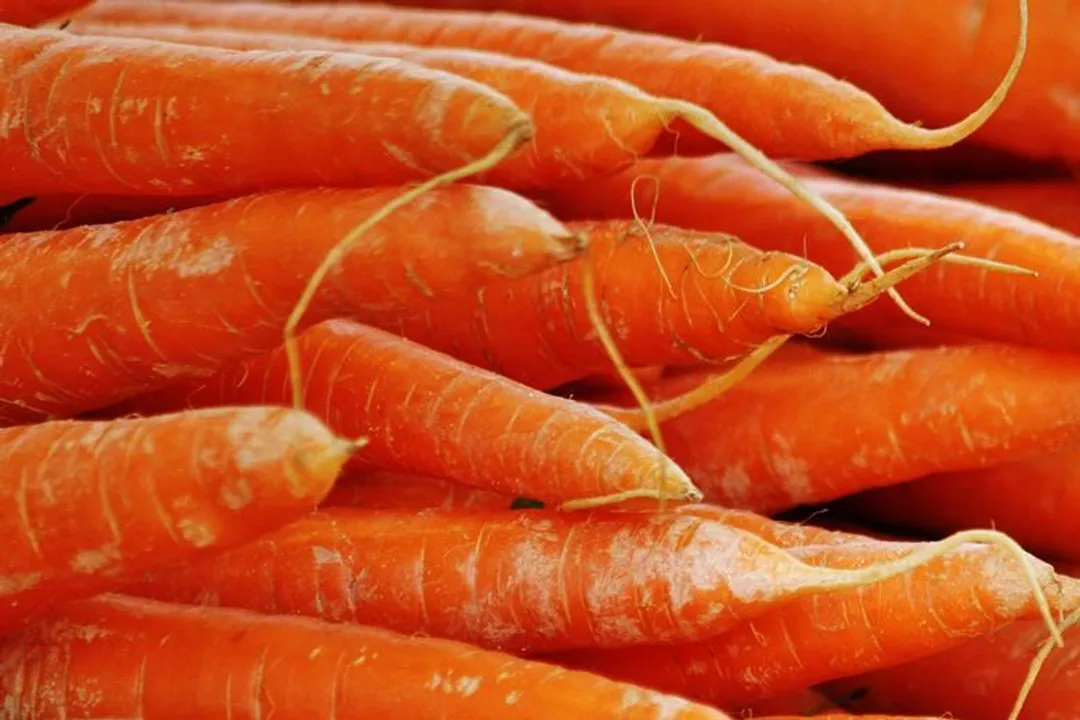
That familiar, satisfying crunch of biting into a fresh carrot is more than just a textural experience; it brings a heap of nutrition straight to your digestive system, leading many to wonder exactly how this common root vegetable impacts gut health. It’s a straightforward question, but the answer involves a balancing act between essential fiber, beneficial compounds, and individual digestive realities. [10] Carrots, after all, are frequently lauded as a health food, packed with nutrients like beta-carotene, but their impact when consumed raw, specifically regarding the complex ecosystem of the gut, deserves a closer look. [2][6] Understanding whether the raw form is truly beneficial requires examining what happens once that crisp piece of vegetable meets your stomach and intestines. [7]
# Fiber Foundation

The most significant component raw carrots bring to the gut discussion is fiber. Fiber is crucial for maintaining regularity and ensuring smooth passage through the digestive tract. [9] Carrots are a good source of dietary fiber, contributing significantly to the daily recommended intake. [6] This fiber exists in two primary forms: soluble and insoluble. [9] Soluble fiber dissolves in water to form a gel-like substance, which can help slow digestion and moderate blood sugar levels. [4][9] Insoluble fiber, on the other hand, adds bulk to stool and helps move material through the digestive tract, often associated with regularity. [9]
The structure of the raw carrot means you are ingesting this fiber in its most intact state. This provides a substantial physical presence in the gut. [7] When you consider vegetables generally categorized as good for gut health, they are often rich in fiber, and carrots certainly fit that profile. [3] The amount of fiber in a medium carrot, for instance, contributes meaningfully to your overall daily goal, which is essential for feeding the trillions of microbes residing in your colon. [9]
I find it interesting to compare the physical presence of raw carrot fiber with that of something like cooked spinach. While spinach is excellent for micronutrients, the fiber in a raw carrot—being denser and requiring more mastication—provides a different kind of mechanical stimulus to the upper GI tract, which might influence transit time even before the microbes get involved. [10] This mechanical aspect, the sheer force needed to break down the raw structure, is a subtle yet important factor in its immediate digestive role.
# Microbial Food Source
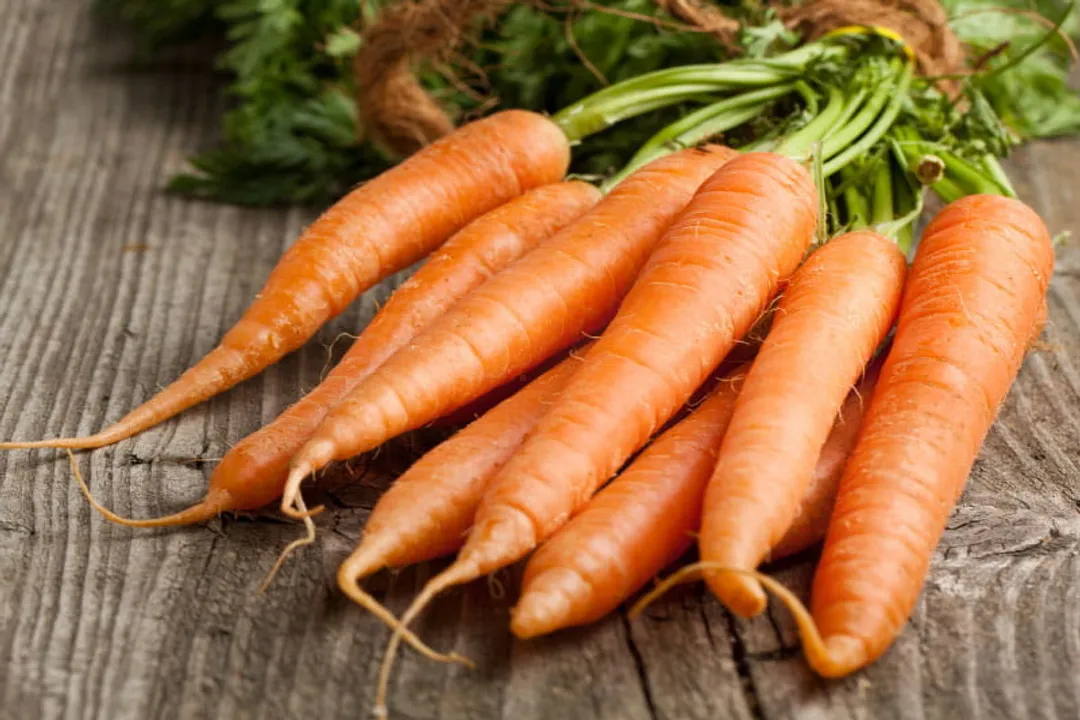
Beyond simply adding bulk, the fiber in carrots serves as a primary food source for your gut microbiota, meaning they function as prebiotics. [7] Prebiotics are compounds that selectively promote the growth and/or activity of beneficial bacteria in the colon. [4] As these beneficial bacteria feast on the indigestible carbohydrates found in carrots, they produce short-chain fatty acids (SCFAs) like butyrate. [4] These SCFAs are vital for colon health, providing energy for the cells lining the colon and potentially influencing broader metabolic health. [4]
Specific studies suggest that carrots might help regulate blood sugar levels, and this effect may be linked to their ability to improve the composition of gut flora. [4] This suggests that the relationship is bidirectional: good food supports good bacteria, which in turn helps the body regulate processes like glucose management. [4] Eating raw carrots regularly can therefore be viewed as a consistent input designed to cultivate a healthier microbial community. [7]
For those looking to optimize their gut flora, the consistency of feeding is key. A meta-analysis noted how eating just a raw carrot, when incorporated regularly, showed measurable impacts on gut health markers. [5] This indicates that the effect isn't just an acute, one-off event but something that builds with routine consumption.

# Preparation Differences
The choice between raw and cooked carrots is significant when discussing gut impact, primarily because heat processing alters the physical structure and chemical availability of nutrients and fiber. [7] Cooking generally softens the fiber matrix, making the carrot easier to chew and digest. [7] For some individuals, especially those with sensitive digestive systems, this softening is beneficial as it reduces the workload on the stomach and small intestine. [8]
However, the benefit of eating them raw is retaining the fiber in its toughest, most undigested form, which is what serves as the most direct fuel for the colon bacteria. [9] While cooking may make some nutrients more bioavailable, the raw form maximizes the specific type of prebiotic input needed for certain fermentation processes in the lower gut. [7]
It is worth noting that raw carrots contain compounds that might be mildly irritating to a compromised gut lining. For example, some people report experiencing stomach pain or cramping after eating raw carrots. [8] This is often attributed to the high fiber load or perhaps irritation from the vegetable's texture when the digestive system is already under stress. [8] Conversely, cooked carrots are generally considered easier on the stomach for those managing digestive discomfort. [8] This contrast highlights that "good for the gut" isn't universal; it depends heavily on the current state of the gut itself.
# Individual Response
While the data points to fiber and prebiotics being beneficial for the general population's gut health, individual tolerance to raw vegetables varies widely. [5] What leads to healthy regularity for one person might result in excessive gas and bloating for another. [8] The mechanism here often relates to how quickly the large intestine bacteria ferment the large volume of insoluble fiber present in the raw product. [9] Rapid fermentation can lead to gas production, causing discomfort. [8]
To navigate this, I find it helpful to suggest a slow ramp-up approach. Instead of immediately adding several large raw carrots daily, start with a small serving—perhaps half a small carrot—every other day for two weeks. Monitor digestive comfort carefully during this period. If symptoms like cramping or excess wind are absent or minimal, you can gradually increase the serving size or frequency. This personalization respects the fact that gut flora composition varies significantly between individuals, meaning fermentation rates differ widely. [4]
This measured introduction allows the gut's microbial population time to adapt to the influx of new, complex carbohydrates, potentially increasing the population of bacteria capable of efficiently processing carrot fiber, thus minimizing negative side effects over time. [4]
# Essential Nutrients
Beyond the critical role of fiber, raw carrots deliver a powerful punch of vitamins and antioxidants that support overall health, which indirectly benefits the gut environment. [2] The most famous component is beta-carotene, a powerful carotenoid that the body converts into Vitamin A. [2] Vitamin A is necessary for maintaining the integrity of mucous membranes throughout the body, including the lining of the digestive tract. [6] A healthy, intact gut lining is the first line of defense against pathogens and unwanted substances, making this vitamin's role foundational to good gut health. [6]
Carrots also contain other beneficial micronutrients, such as Vitamin K1 and potassium. [2] While not directly acting as prebiotics, these nutrients support the overall physiological environment in which healthy digestion occurs. [2] For example, proper potassium levels are essential for muscle contractions, including the rhythmic movements (peristalsis) that move food through the intestines. [6]
The American Heart Association notes that carrots are a heart-healthy food, contributing to low blood pressure and better cholesterol levels, showing that the benefits extend far past the digestive tract, creating a generally supportive internal environment. [10] A body functioning optimally elsewhere is generally better equipped to handle digestive demands.
# Incorporating Raw Carrots
Integrating raw carrots effectively means choosing forms that align with both your palate and your digestive capacity. While snacking on whole sticks is the classic method, different preparations can alter the experience. [9]
Ways to increase intake responsibly:
- Shredded or Grated: Grating breaks down the tough insoluble fiber slightly more than biting whole sticks, potentially easing digestion slightly while retaining most of the prebiotic benefit. [7] This is excellent mixed into salads or slaws.
- Juicing (with Caution): Juicing removes most of the beneficial insoluble fiber, drastically changing the gut impact. While you get a quick shot of vitamins, you lose the bulk that feeds the colon bacteria. [9]
- Finely Diced: For those who find whole sticks too tough, dicing them very finely before adding them to salads or dips presents a middle ground between the whole stick and shredded textures.
If you look at dietary patterns, the key takeaway from various analyses is consistency over sheer volume when seeking microbial improvements. [5] A small, daily serving of raw carrot is likely more beneficial for sustained gut flora support than a massive binge once a month, which could easily overwhelm the system and cause temporary distress. [8] Finding that sweet spot—that manageable daily inclusion—is the real goal for supporting your gut environment with this crunchy vegetable. [3]
Related Questions
#Citations
The effect of raw carrot on serum lipids and colon function - PubMed
Top 5 health benefits of carrots - BBC Good Food
11 Vegetables to Support Your Gut Health (Sans Bloat) - Seed
Carrots may help regulate blood sugar and improve gut flora | News
a meta-analysis showed how eating just a (raw) carrot a day could ...
Carrots 101: Nutrition Facts and Health Benefits - Healthline
Are Carrots Good for Gut Health? Exploring the Benefits of This ...
5 Reasons Raw Carrots May Be Giving You Stomach Pain
Carrots for Gut Health - Fiber-Packed Recipes | Daily Harvest
What's up with carrots? Let's root out the truth